Beyond the Tourist Trail Nepal's Hidden Cities Revealed
After 15+ years exploring every corner of Nepal, we've uncovered the stories, secrets, and authentic experiences that guidebooks miss. From ancient tea garden civilizations to emerging mountain frontier towns, discover the 2,000+ cities that make Nepal the world's most culturally dense nation.
🎯 What Makes This Guide Different:
We've spent years living in these cities, learning from local families, and discovering the authentic experiences that transform ordinary trips into life-changing journeys. This isn't just information – it's wisdom you can't find anywhere else.
Interactive Nepal Cities Map
Explore all 82 cities on our interactive map. Click markers for city details.
The Hidden Architecture of Nepal's Cities
Beyond what tourists see – the invisible networks, cultural codes, and urban patterns that make Nepal's cities unlike anywhere else on Earth
🏛️ Sacred Urban Geometry
Nepal's cities weren't built randomly – they follow ancient Vastu principles and tantric geometries that align temples, palaces, and markets with cosmic forces. Kathmandu's layout forms a mandala, while Pokhara's lake reflects the fishtail mountain in perfect synchronicity.
Expert Insight: Most tourists miss the subtle energy lines connecting major temples. Learning to read these patterns transforms ordinary sightseeing into spiritual discovery.
🌾 Living Trade Routes
Every major Nepali city sits along ancient silk and salt trade routes that connected Tibet, India, and China for over 2,000 years. These paths shaped not just economies, but cultures, cuisines, and architecture. Modern highways often follow these sacred trails.
Local Knowledge: Tea shop owners along old trade routes still speak dialects mixing Tibetan, Nepali, and Maithili – living linguistic museums of Nepal's commercial history.
🎭 Festival City Cycles
Nepal's cities operate on ritual calendars invisible to outsiders. Each city has guardian deities with specific festivals that transform urban spaces. During Indra Jatra, Kathmandu's streets become sacred theater; during Teej, Patan becomes a goddess procession ground.
Timing Secret: Arriving 2 days before major festivals lets you experience cities during their most authentic transformation – when streets become temples and locals become performers.
The Unseen Urban Networks That Rule Daily Life
Water Temple Systems
Every Nepali city has sophisticated underground water systems managed by jatras (water communities). These ancient networks, some dating to the Lichhavi period, still supply water through stone spouts (dhunge dharas) that locals believe hold healing properties.
Guthi Economics
Traditional guthi systems (community trusts) control 30% of urban land in Kathmandu Valley. These invisible organizations maintain temples, festivals, and social welfare using centuries-old endowments. Understanding guthi networks reveals the true power structure behind visible city government.
Caste-Based Micro-Economies
Traditional neighborhoods still operate on caste-based specializations – Rajopadhyaya Brahmins perform specific rituals, Shakyas create metal statues, Chitrakars paint thankas. These micro-economies create urban ecosystems invisible to casual visitors but essential to cultural preservation.
Informal Transportation Networks
Beyond buses and taxis, tempo shared taxis, micro-buses, and walking pilgrim routes form parallel transit systems. Local-only vehicles follow ancient paths while serving specific communities –掌握 these networks to travel like residents.
🧭 The Urban Navigator's Code
After 15 years documenting Nepal's cities, we've decoded the patterns that separate tourists from insiders. Here's what most visitors never discover:
🕐 Sacred Timing
Cities transform during prasad hours (when temples distribute food) and bajan times (morning/evening prayers). These daily cycles reveal authentic urban life most visitors miss.
🍛 Food Geography
Each neighborhood specializes in specific dishes following ancient patterns. Newar areas offer kwati, Tharu zones serve ghonghi. Learning food geography maps cultural territories.
🏪 Market Intelligence
Traditional haat bazaars operate on specific weekdays following ancient calendars. These periodic markets offer authentic local life and better prices than tourist areas.
🛕 Temple Protocols
Each temple complex has unwritten rules about prayer times, offerings, and photography. Locals follow these protocols automatically – learning them grants access to sacred spaces.
"The best way to understand Nepal's cities is not through guidebooks, but through learning the invisible patterns that govern daily life. Once you see these networks, the cities reveal their true nature."
– Senior Research Team, 15+ Years Nepal Urban Studies
These Cities Are More Than Destinations
Each city holds secrets that changed civilizations. Discover the living legends, ancient wisdom, and cultural revolutions that continue shaping our world today.
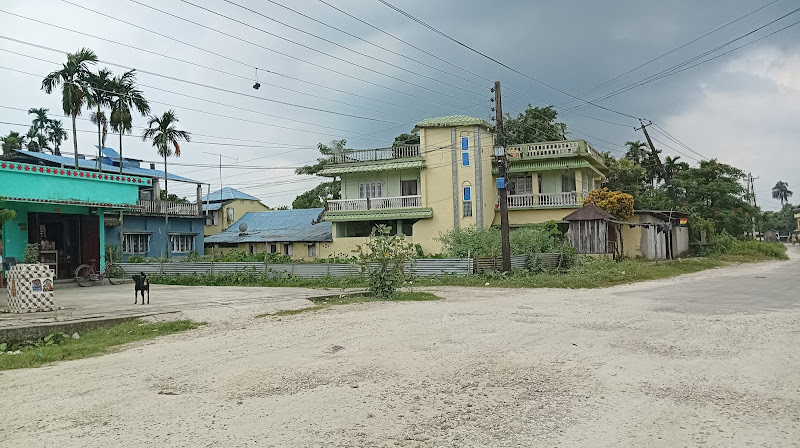
Bhadrapur
🌱 The Hidden Tea Revolution
Most visitors know Bhadrapur as Nepal's tea city, but few realize it's the world's oldest tea cultivation center , with gardens dating back to 1863. The city hosted the first tea processing factory in the Himalayas, and its tea gardens still use techniques passed down through 8 generations of tea masters.
🌉 Living Cultural Crossroads
The iconic Mechi Bridge isn't just a border crossing – it's a living cultural laboratory where Nepali, Indian, Bhutanese, and Bangladeshi traditions blend daily. The city's markets showcase this fusion through food, language, and customs that exist nowhere else on Earth.
💡 Insider Secret: Visit during the first harvest season (March-April) when tea gardens host traditional ceremonies dating back to the original tea planters. Local tea families still perform Buddhist rituals before each harvest for blessing and prosperity.
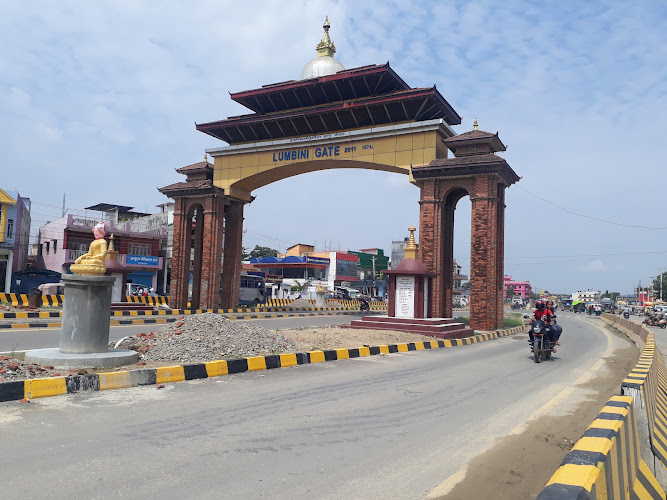
Siddharthanagar
📿 The Living Buddhist Path
Renamed in 1976 to honor Siddhartha (Buddha's birth name), this city is Nepal's most important spiritual gateway . Beyond tourism, it's where Buddhist pilgrims from across Asia begin their journey to Lumbini. The city's monasteries house rare texts and meditation practices preserved for over 1,500 years.
🏛️ Ancient Trade Wisdom
As Nepal's second-largest trading center after Birgunj, Siddharthanagar preserves ancient commercial wisdom from the Kathmandu-Tibet trade routes. Local business families still follow negotiation strategies and partnership customs that originated during the Malla period.
💡 Insider Secret: The Gautam Buddha International Airport (opened 2022) was strategically placed according to Vastu principles to align with Buddhist cosmology. Visit the observation deck during sunrise for views of the ancient pilgrimage paths leading to Lumbini.
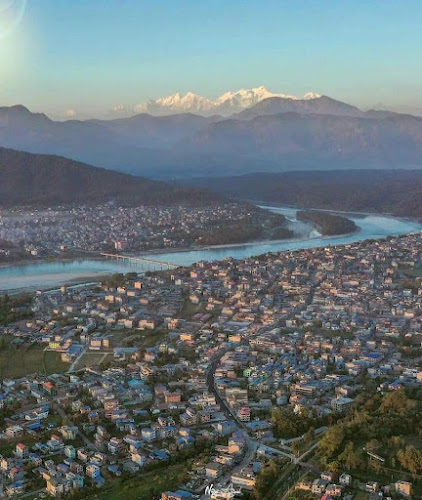
Bharatpur
Bharatpur, Nepal's rapidly growing third-largest city with 369,377 inhabitants (2021 census), stands as a vibrant metropolis and the district headquar...
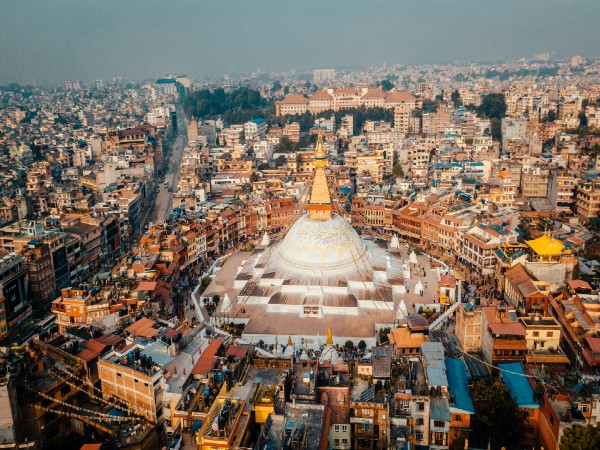
Biratnagar
Biratnagar, Nepal's second-largest city with approximately 250,000 inhabitants, stands proudly as the economic powerhouse and industrial capital of Ko...
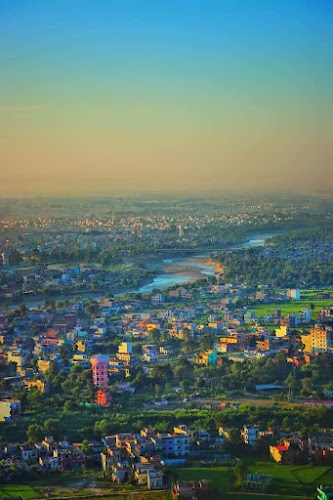
Butwal
Butwal Sub-Metropolitan City, with 195,054 inhabitants (2021 census), stands as one of Nepal's most strategically important economic powerhouses and t...
🎯 Why These Cities Matter Beyond Tourism
Cultural Preservation
These cities maintain living traditions that have survived for over 2,000 years, protecting knowledge and practices that would otherwise be lost to globalization.
Economic Innovation
From ancient tea trade to modern international airports, these cities continually innovate while preserving their cultural identity and community values.
Spiritual Significance
Each city serves as a spiritual center, maintaining practices and wisdom that have guided millions of seekers toward enlightenment and inner peace.
The Real Nepal Tourists Never See
After decades living in Nepal's cities, we've discovered the daily rhythms, hidden traditions, and local secrets that transform ordinary visits into authentic life experiences.
🌅 City Morning Rhythms: The Sacred Hours
5:00 AM - Temple Awakening
While tourists sleep, Nepal's cities come alive with prasad distribution – when temples offer blessed food to the community. In Kathmandu, the Pashupatinath temple feeds thousands daily, while in Patan, the Krishna Mandir distributes sanctified milk and sweets. Join locals for these sacred meals – it's free and deeply connecting.
Local Secret: Each temple has specific prasad days. Krishna temples offer sweets on Krishna Janmashtami, while Buddhist stupas distribute rice and lentils on full moon days.
6:30 AM - Market Magic
Traditional haat bazaars open before dawn with farmers bringing fresh mountain produce. These aren't tourist markets – they're where locals buy daily provisions. The bargaining techniques, social rituals, and product knowledge passed down through generations create a cultural experience unlike any other.
Insider Tip: Visit Asan Bazaar in Kathmandu at 6:30 AM – the only time you'll see traditional weighing scales and hear the distinctive market chants that have continued for centuries.
8:00 AM - Morning Prayer Circuits
Locals perform parikrama (circumambulation) around temples and stupas. In Kathmandu, join the clockwise walk around Swayambhunath – tourists climb during day, but locals perform their circuits at sunrise when the energy is considered most potent.
🌙 Evening Rituals: When Cities Transform
5:00 PM - Arti Ceremonies
Every evening, temples perform arti (fire ceremonies) with lamps, incense, and chanting. These aren't performances – they're living traditions where locals gather for spiritual connection. The Pashupatinath evening arti draws thousands, while neighborhood temples host intimate gatherings.
Sacred Timing: Arti timing varies by season – 5:00 PM in winter, 6:00 PM in summer. Arrive 30 minutes early to witness the bell-ringing and preparation rituals.
7:00 PM - Community Food Circles
Neighborhoods form bhojan circles where families share evening meals in courtyards. These aren't restaurants – they're invitations into homes where stories are told, problems are solved, and community bonds are strengthened. Many neighborhoods welcome respectful visitors to observe or participate.
How to Join: Visit Newar neighborhoods in Patan during festivals – families often welcome visitors to join their traditional samay baji feasts.
9:00 PM - Storytelling Sessions
Traditional katha gatherings happen in tea houses and community spaces where elders share myths, legends, and family histories. These oral traditions preserve Nepal's cultural memory and offer insights into values, wisdom, and social customs that never appear in guidebooks.
🍜 The Hidden Food Map: What Locals Really Eat
Morning Specialties
- Sel Roti – Rice donuts with tea
- Kwati – Nine-bean soup (Newar)
- Chhurpi – Mountain cheese tea
- Puri Tarkari – Fried bread with curry
Afternoon Power
- Momo – But with homemade achar
- Thukpa – Tibetan noodle soup
- Choila – Spicy grilled buffalo (Newar)
- Sekuwa – BBQ meat with spices
Evening Comfort
- Dal Bhat – But with seasonal variations
- Gundruk – Fermented vegetable curry
- Masu – Meat curry with local spices
- Dhido – Traditional corn porridge
Seasonal Delights
- Yomari – Fish-shaped dumplings (winter)
- Bara – Lentil pancakes (festival)
- Chatamari – Rice pizza (Newar)
- Lakhamari – Sweet bread (special)
🤝 Unspoken Social Rules
- •Never touch someone's head – sacred in both Hindu and Buddhist traditions
- •Use right hand for eating/giving – left hand considered impure
- •Remove shoes before entering homes – and some shops too
- •Clockwise temple movement – always walk clockwise around sacred spaces
- •Don't point feet at people – especially at religious images
💰 Money & Bargaining Wisdom
- •Carry small bills – large bills often hard to change
- •Bargain politely – start at 50% and meet in the middle
- •Fixed prices in supermarkets – no bargaining there
- •Tip only in tourist areas – locals don't expect tips
- •Market prices vary – morning cheaper than afternoon
🗣️ Language Magic Phrases
- •"Namaste" – Hello/goodbye (hands together)
- •"Dhanyabad" – Thank you (formal)
- •"Sanchai cha?" – How are you?
- •"Pugyo" – Thank you (Newari)
- •"La" – Yes (add to any sentence)
🚌 Local Transportation: The Hidden Network
Tourists use tourist buses, but locals navigate a parallel transportation system that's faster, cheaper, and more authentic.
Tempo Shared Taxis
Fixed routes, shared rides, local prices. The fastest way to move within cities.
Cost: Rs 20-50 | Speed: ⭐⭐⭐⭐⭐
Micro-Buses
Larger than tempos, connect neighborhoods. Always crowded but authentic.
Cost: Rs 15-40 | Speed: ⭐⭐⭐⭐
Local Buses
Longest routes, cheapest option. Connects cities like locals travel.
Cost: Rs 100-500 | Speed: ⭐⭐⭐
Walking Pilgrim Routes
Ancient paths between sacred sites. Free and spiritually rewarding.
Cost: Free | Speed: ⭐⭐ | Spirituality: ⭐⭐⭐⭐⭐
Explore by Region: Nepal's Diverse Landscapes
Nepal's cities reflect the country's incredible geographical diversity, from Himalayan heights to Terai plains. Each region offers distinct climates, cultures, and travel experiences.
Kathmandu Valley
Nepal's cultural heartland hosts three ancient cities with UNESCO World Heritage status. Home to traditional Newari architecture, living goddesses, palaces, temples, and vibrant festivals that have continued for centuries.
Eastern Nepal
The tea gardens and cultural diversity of eastern Nepal offer unique experiences. From Ilam's tea plantations to the ancient city of Janakpur, this region showcases Nepal's agricultural wealth and religious significance.
Western Nepal
From the lakeside paradise of Pokhara to the wilderness of the Terai, western Nepal offers incredible diversity. This region serves as the gateway to Annapurna and Dhaulagiri Himalayan adventures.
Travel Planning: Essential Nepal City Guide
Practical information for planning your Nepal city adventures, from transportation and timing to cultural etiquette and regional travel patterns.
📅 Best Times to Visit
Spring (March-May)
Perfect weather with blooming flowers and clear mountain views. Ideal for city exploration and trekking.
Autumn (September-November)
Peak season with clear skies, comfortable temperatures, and major festivals like Dashain and Tihar.
Winter (December-February)
Cool and dry in Terai cities, cold in Kathmandu. Best time for wildlife viewing in Chitwan and Bardia.
🚌 Getting Around Nepal
Fastest way between major cities. Daily flights Kathmandu-Pokhara, Biratnagar, Nepalgunj.
Comfortable buses connect major cities with air-conditioning and WiFi.
Cheapest option but crowded. Great for authentic local experience.
Rentals with driver available for flexible city-to-city travel.
🙏 Cultural Etiquette
Dress modestly (covered shoulders and knees). Remove shoes before entering.
"Namaste" with palms together is the traditional greeting. Use right hand for eating and giving/receiving.
Ask permission before photographing people, especially during ceremonies.
Expected in markets and shops. Be respectful and smile during negotiations.
Complete Nepal Cities Directory
Browse all 82 cities in Nepal. Click on any city to discover detailed information about attractions, activities, accommodation, and travel tips.
Bhadrapur
Bhadrapur, historically known as Chandragadhi, is one of Nepal's oldest municipa...
Siddharthanagar
Siddharthanagar, historically known as Bhairahawa and renamed in 1976 to honor S...
Bharatpur
Gateway to Chitwan
Biratnagar
Industrial Hub
Butwal
Butwal Sub-Metropolitan City, with 195,054 inhabitants (2021 census), stands as ...
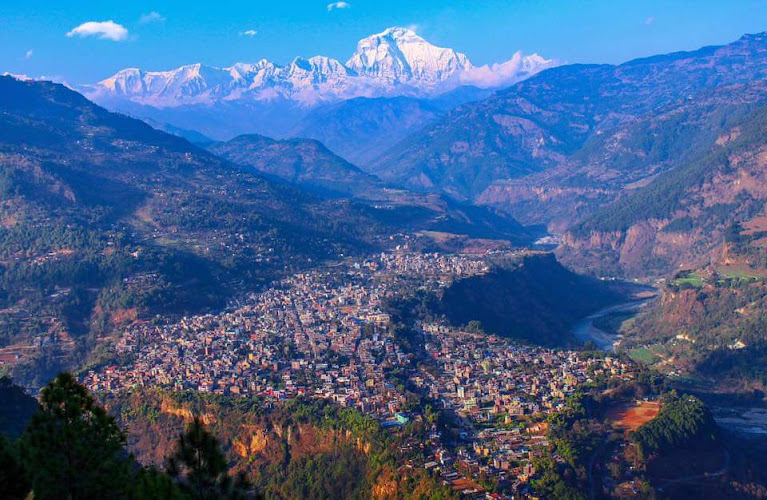
Baglung
Baglung, the district headquarters of Baglung District in Gandaki Province, repr...
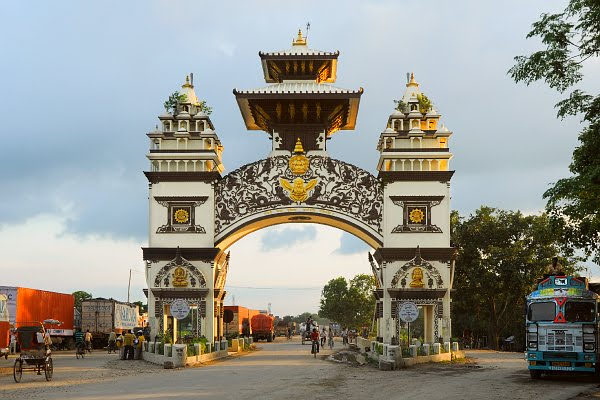
Birgunj
Birgunj, universally recognized as the 'Gateway of Nepal' and the nation's undis...
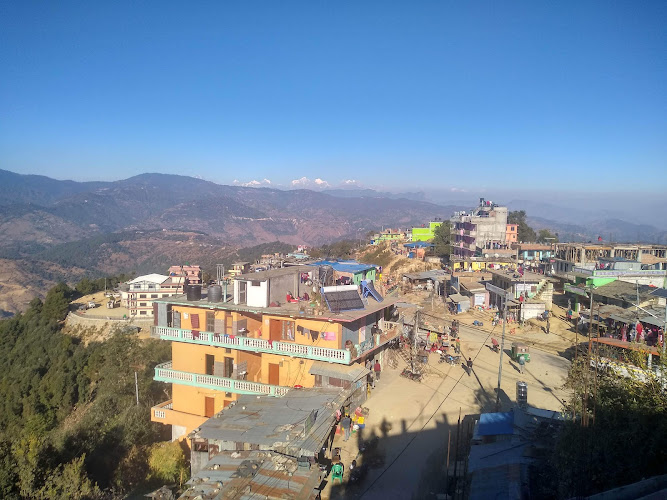
Dadeldhura
Dadeldhura, the district headquarters of Dadeldhura District in Sudurpashchim Pr...
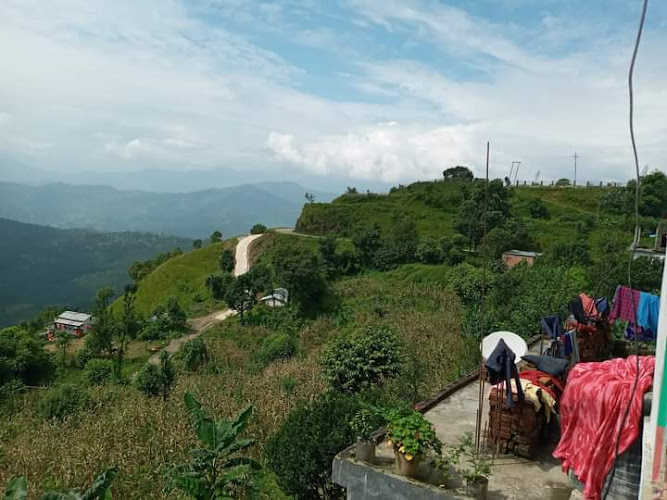
Dullu
Dullu, historically significant as an ancient trading center in the Dailekh Dist...
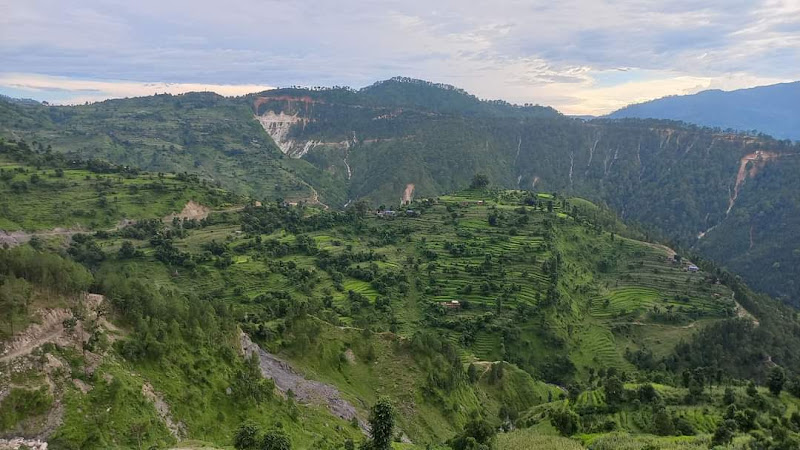
Dailekh
Dailekh, the historic district headquarters nestled in the scenic hills of Karna...
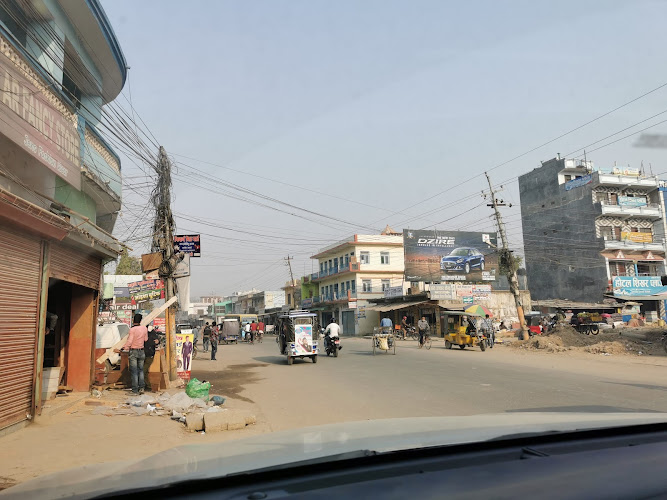
Dhangadhi
Dhangadhi, established as a municipality in 1976 and elevated to sub-metropolita...
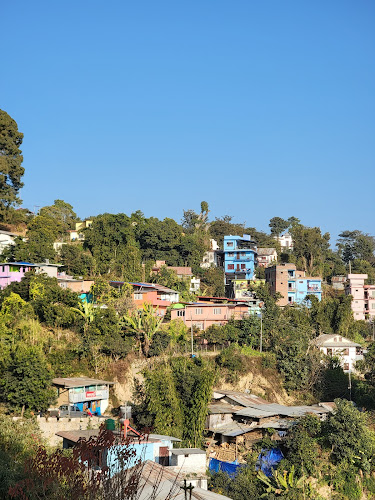
Dhankuta
Dhankuta, a historic hill town and the administrative headquarters of Dhankuta D...
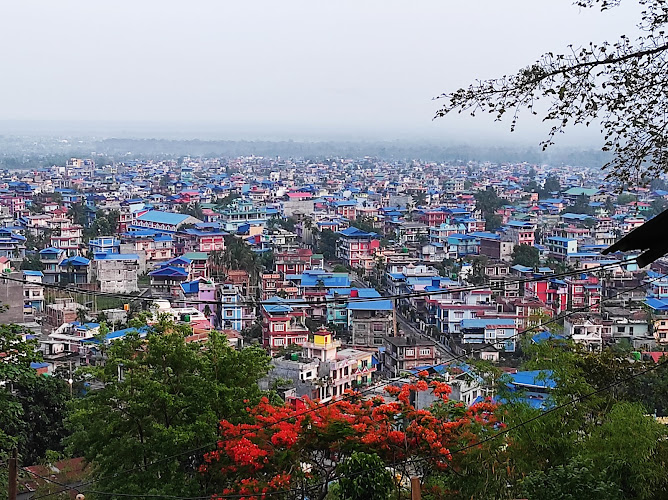
Dharan
Eastern Gateway
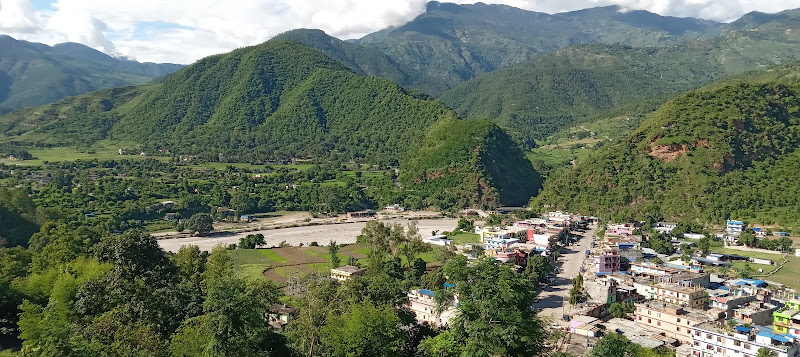
Dipayal Silgadhi
Dipayal Silgadhi, the historic capital of the ancient Doti Kingdom and once the ...
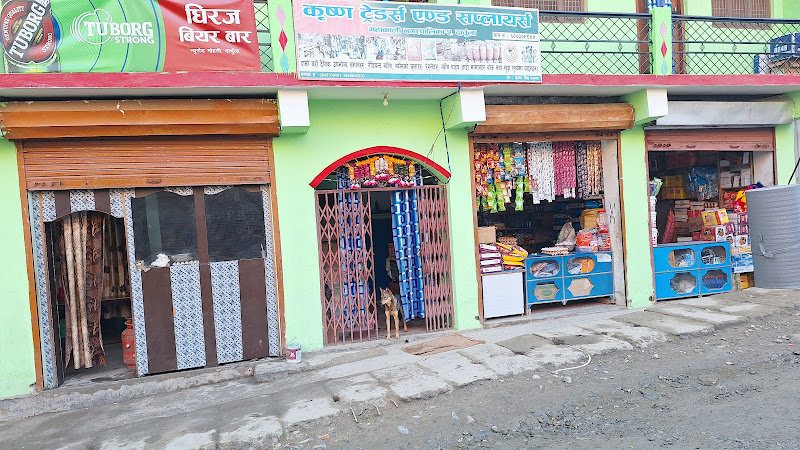
Darchula
Darchula, a remote and culturally significant border municipality in the far wes...

Galphain
Galphain, a developing municipality in the scenic landscapes of Nepal, represent...
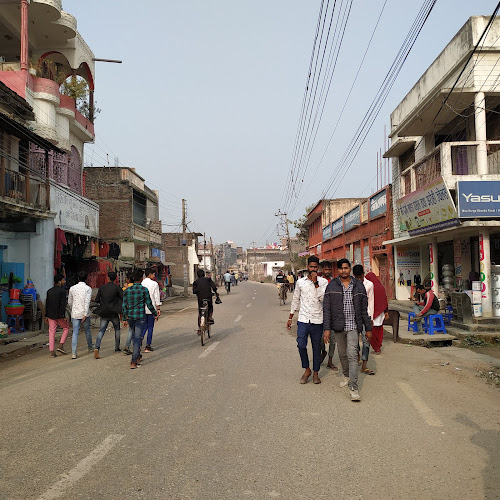
Gaur Border Park
Gaur Border Park, a specialized border infrastructure facility in the Terai regi...
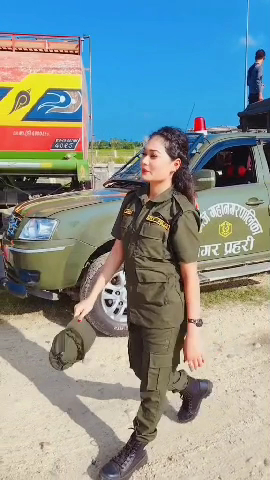
Gaur Nagarpalika
Gaur Nagarpalika (Gaur Municipality), located in the fertile Terai plains of sou...
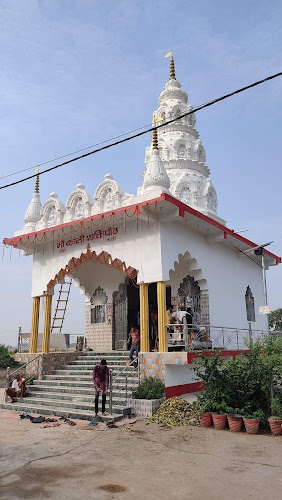
Gaur
Gaur, a historic town in Rautahat District of Madhesh Province, holds a distingu...
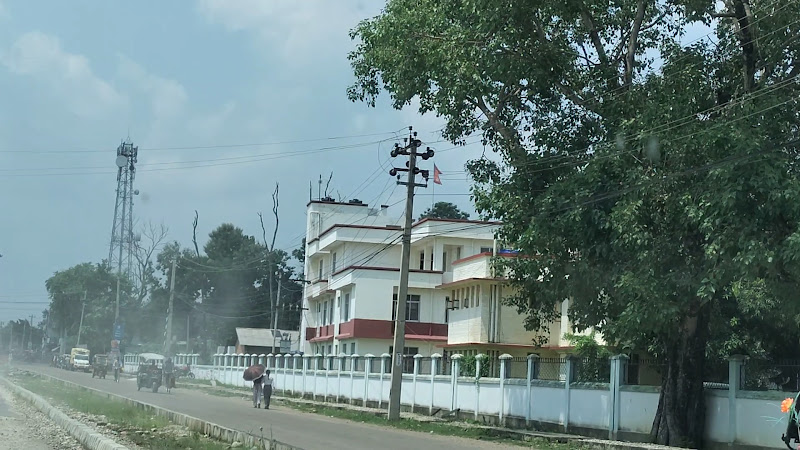
Gulariya
Gulariya, the municipality and district headquarters of Bardiya District in Lumb...
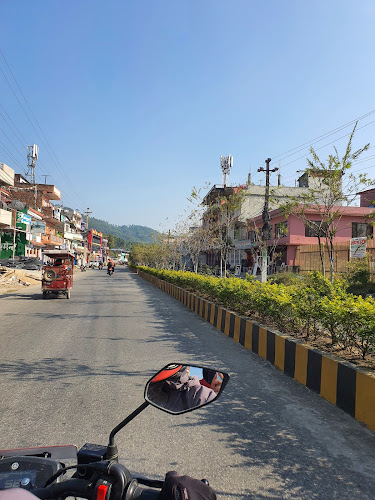
Hetauda
Hetauda, named after Hidimba, the legendary queen from the Mahabharata epic, sta...
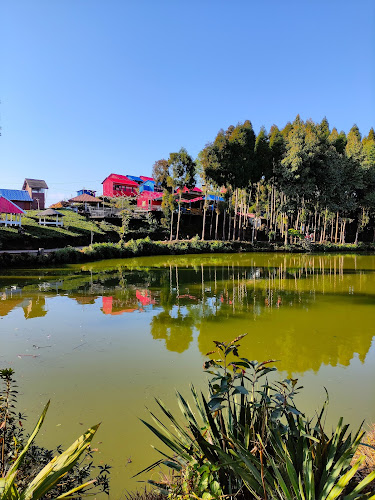
Ilam
Ilam, known as "Nepal's Tea Capital," stands as a picturesque hill city and dist...
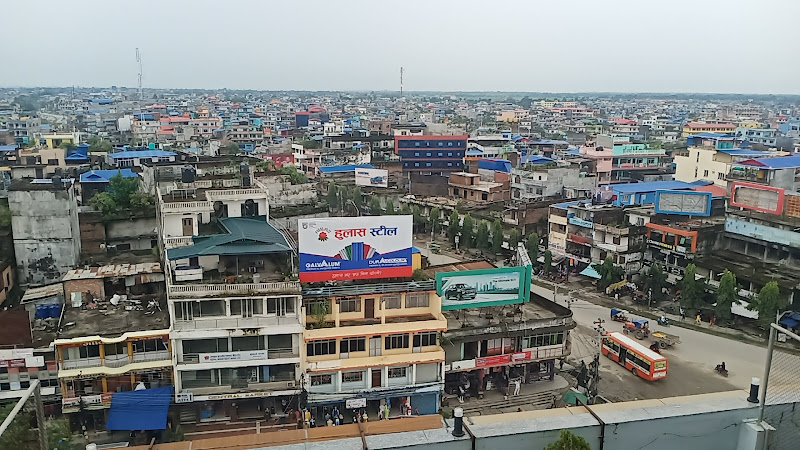
Itahari
Itahari, established as a municipality in 1997 and elevated to sub-metropolitan ...
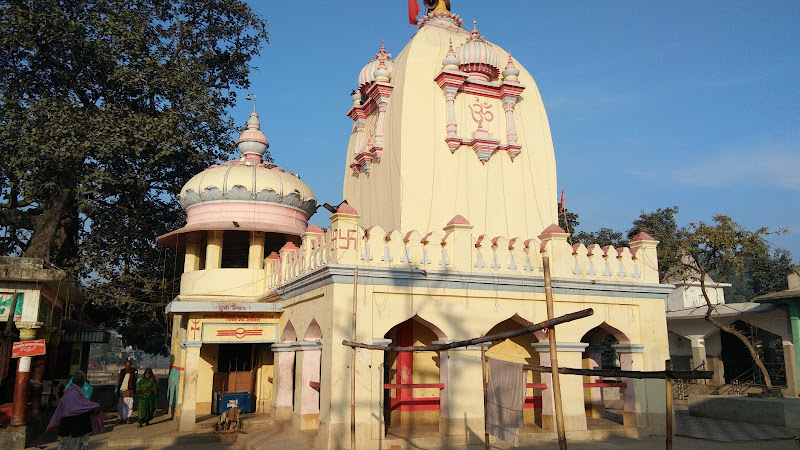
Jaleshwor
Jaleshwor, serving as the district headquarters of Mahottari District in Madhesh...
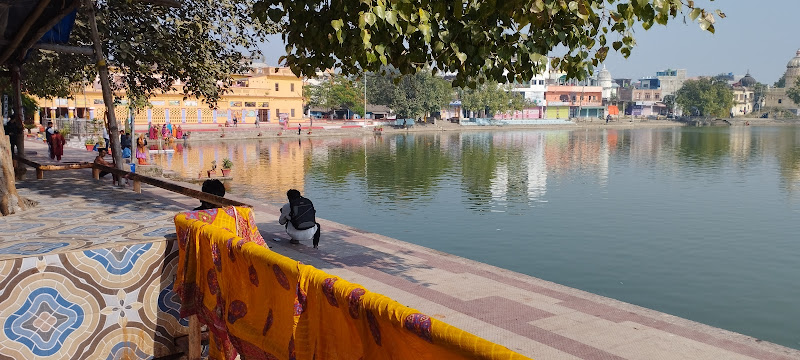
Janakpur
Janakpurdham, universally revered as Janakpur, stands as one of the most sacred ...
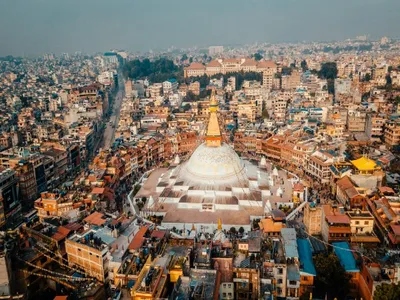
Kathmandu
Cultural Capital
Khandbari
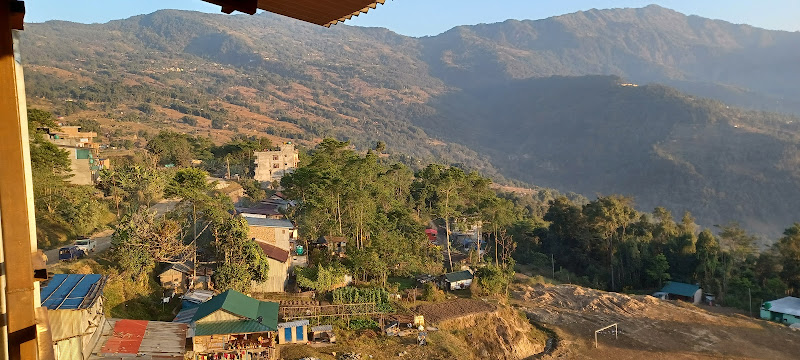
Khandbari, the district headquarters of Sankhuwasabha District in Koshi Province...
Kirtipur
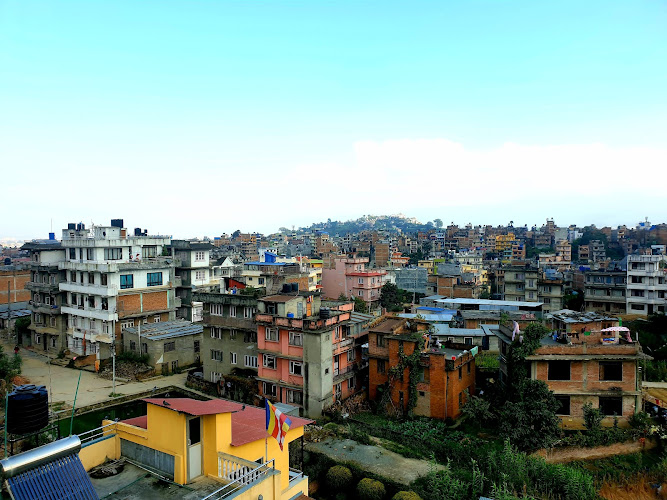
Kirtipur, one of Nepal's most historically significant and culturally rich ancie...
Lahan
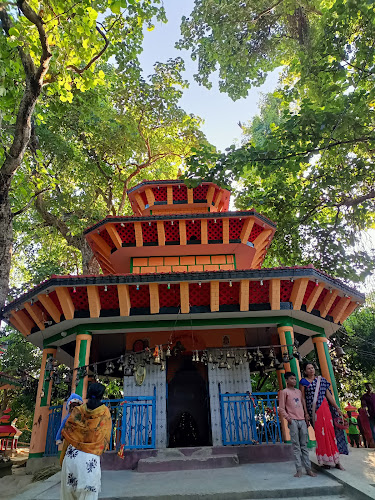
Lahan, the 36th densest municipality in Nepal and the largest city in Siraha Dis...
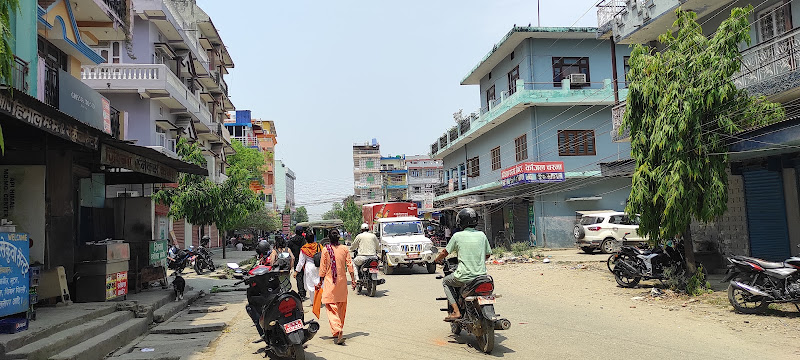
Bhimdatta
Bhimdatta, formerly known as Mahendranagar in honor of late King Mahendra and of...
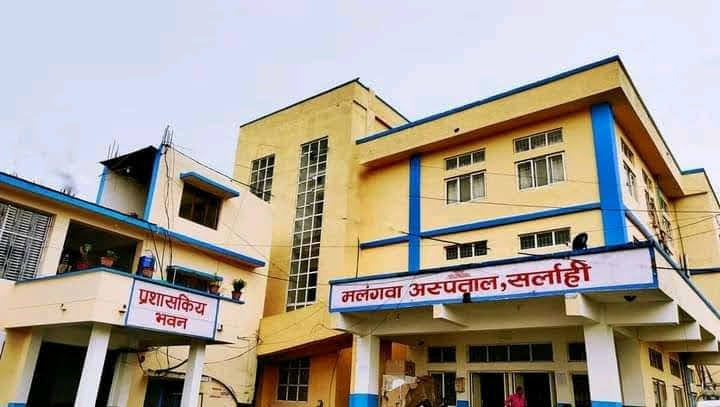
Malangawa
Malangawa, serving as both a municipality and the district headquarters of Sarla...
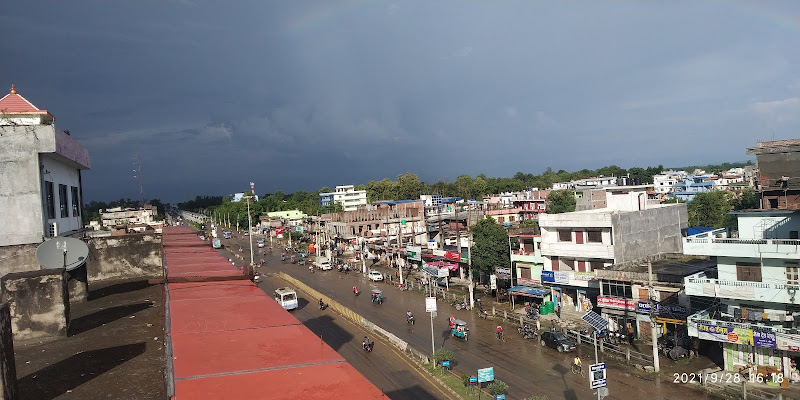
Nepalgunj
Nepalgunj, also spelled Nepalganj, stands as one of Nepal's most significant com...
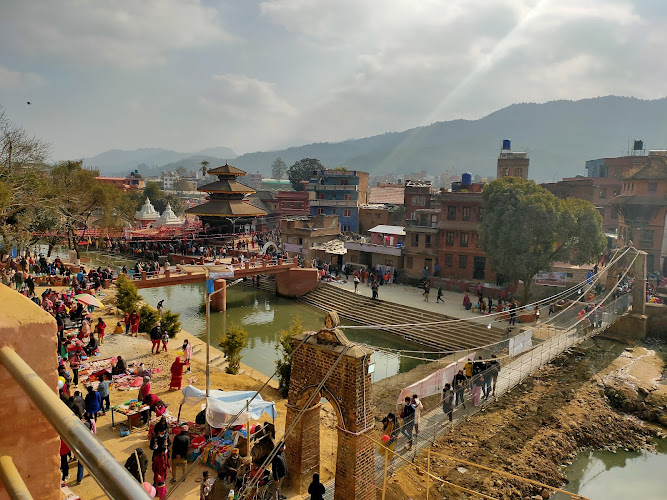
Panauti
Panauti, a medieval architectural jewel located 32 kilometers southeast of Kathm...
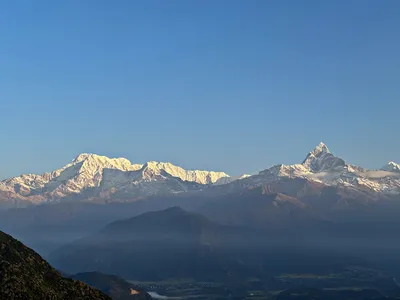
Pokhara
Lake & Mountain Views
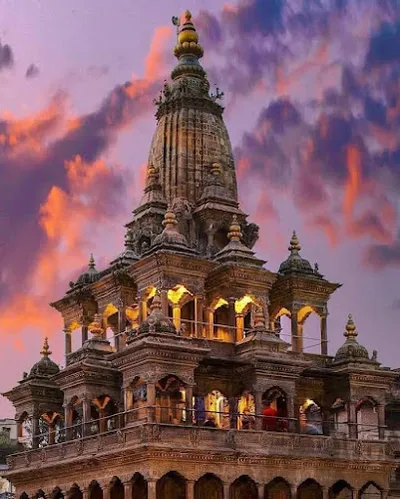
Lalitpur
Heritage & Art
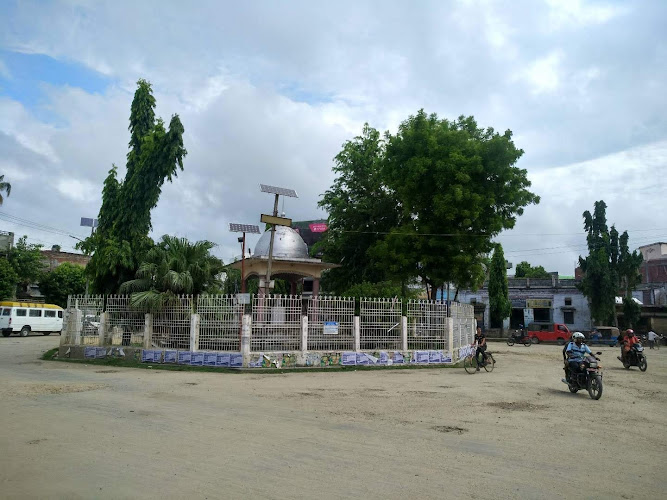
Rajbiraj
Rajbiraj, proudly known as the "Pink City of Nepal," holds the remarkable distin...
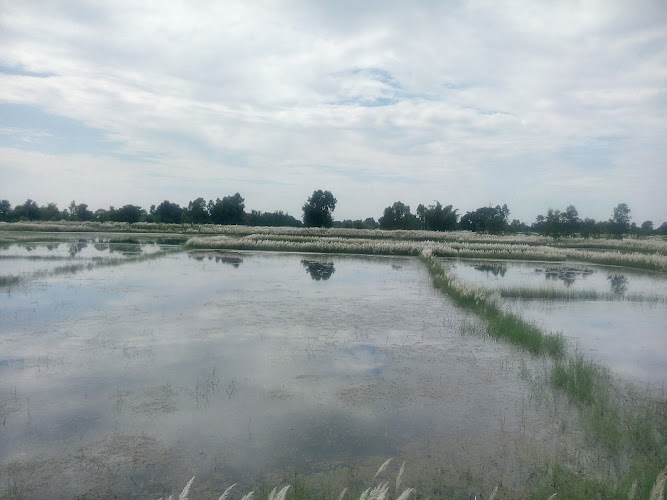
Siraha
Siraha, the district headquarters and municipality of Siraha District in Madhesh...
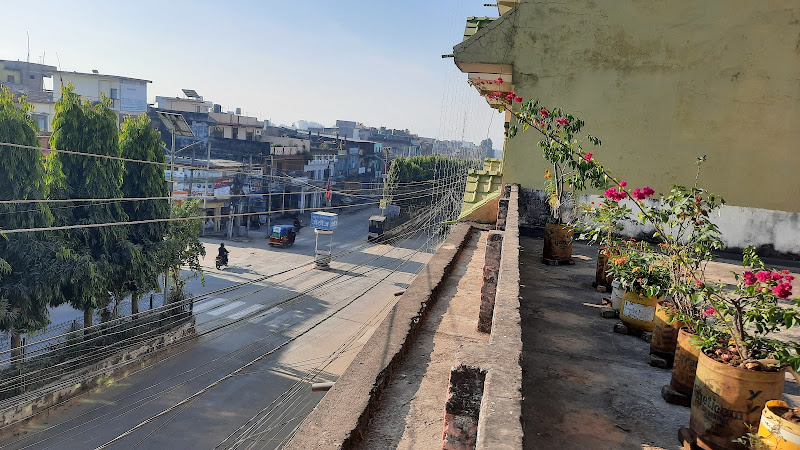
Tulsipur
Tulsipur, established in 1992 through the merger of Tulsipur and Amritpur villag...
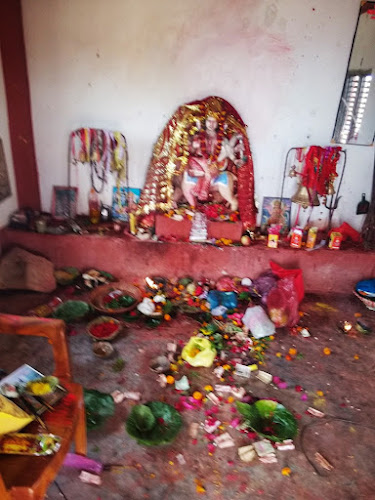
Tansen
Tansen, the historic capital of the powerful Magar Kingdom and birthplace of Nep...
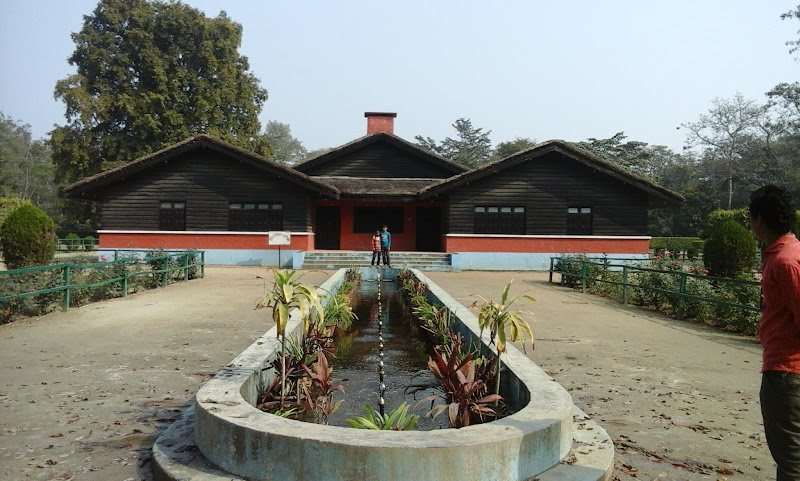
Tikapur
Tikapur, established as a municipality in January 1997 and significantly expande...
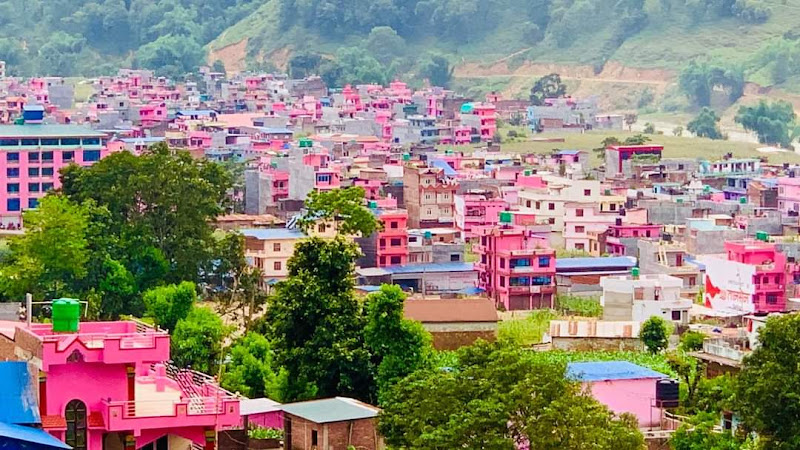
Waling
Waling Municipality, strategically positioned in the heart of Syangja District i...
Birendranagar
Birendranagar, named in honor of the late King Birendra and established as Nepal...
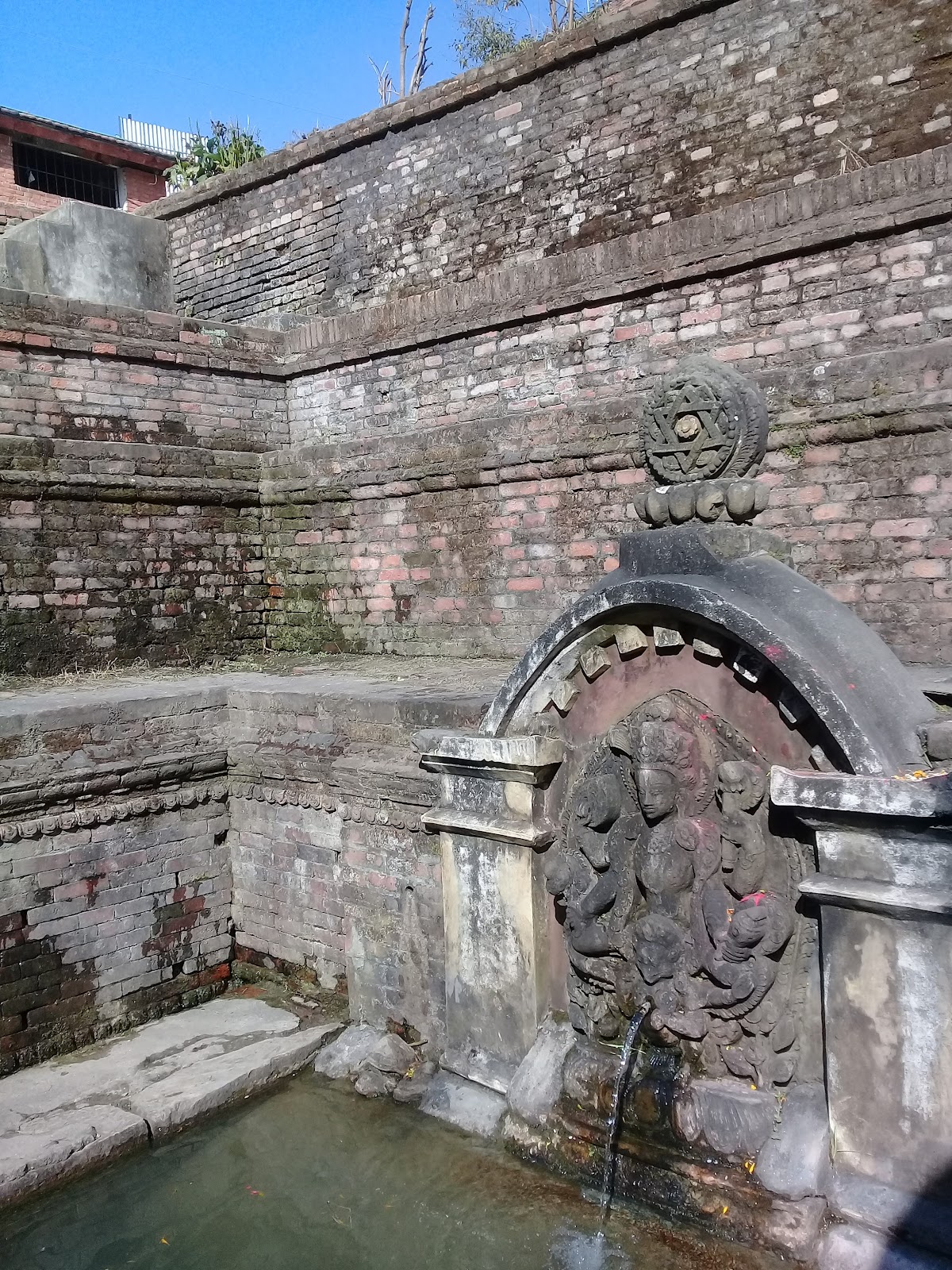
Bhaktapur
Bhaktapur, the renowned ancient city and third largest city in the Kathmandu Val...
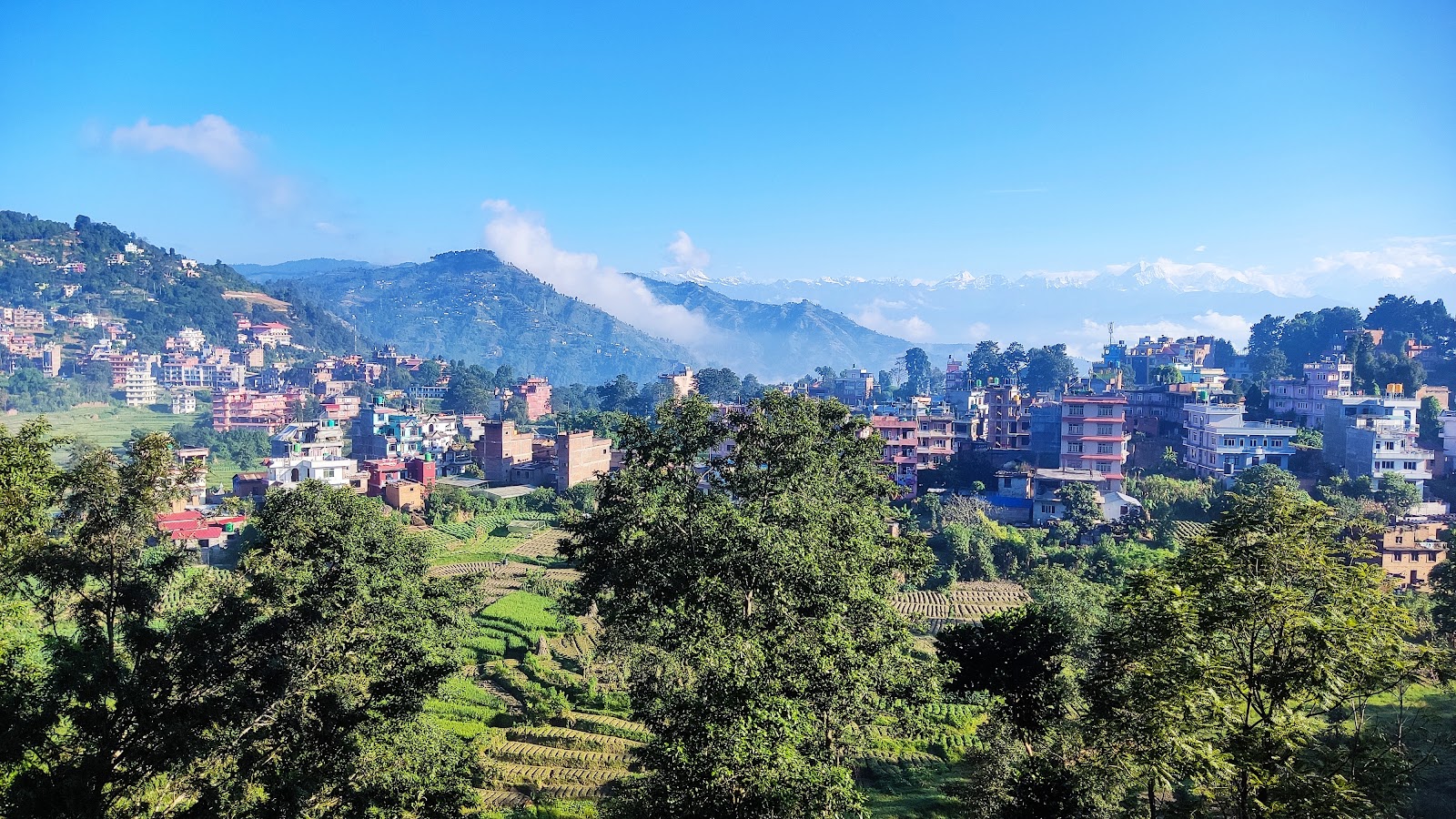
Dhulikhel
Dhulikhel, an ancient Newari trade city located in Kavre District of Bagmati Pro...
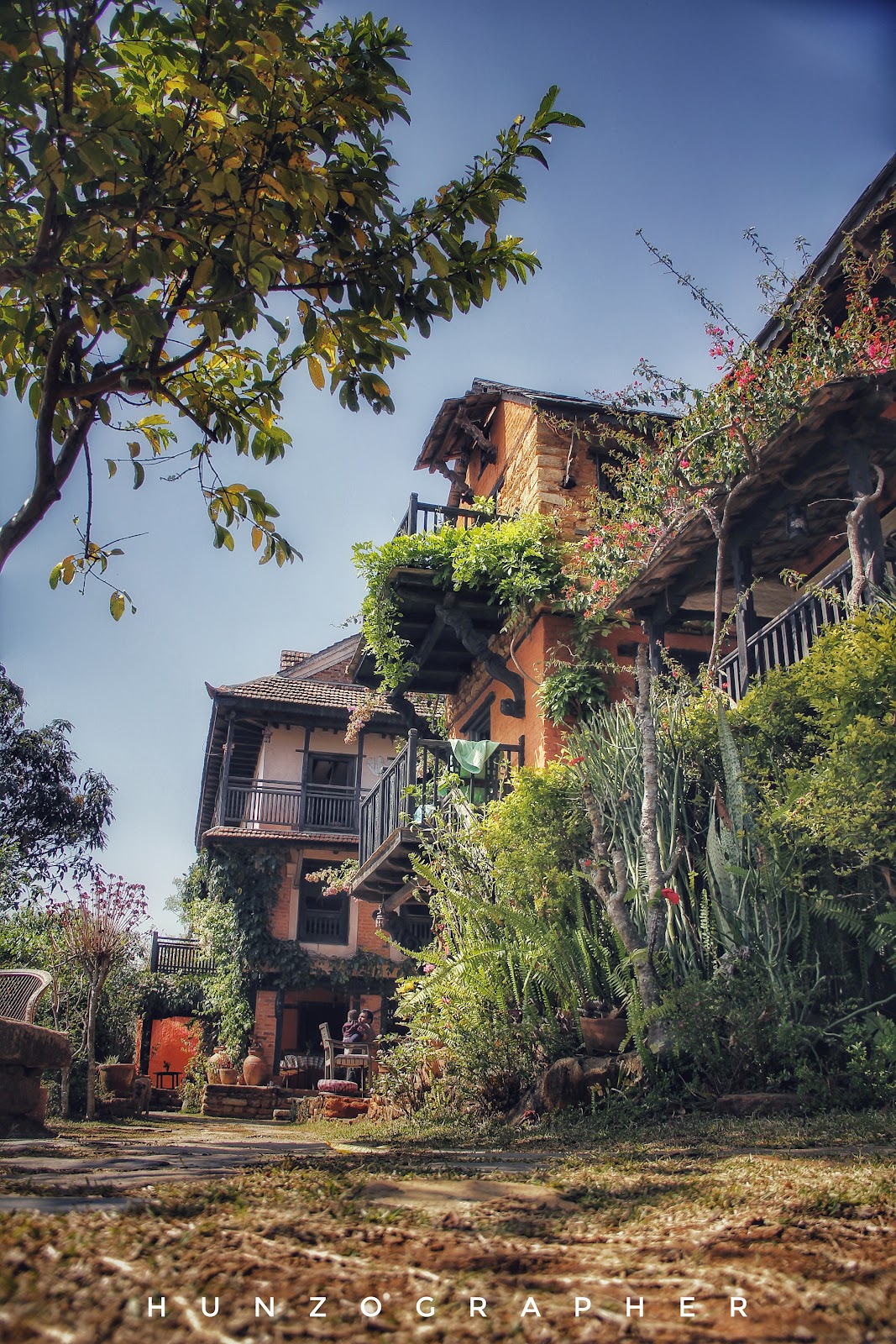
Nuwakot
Nuwakot, the district headquarters of Nuwakot District in Bagmati Province, serv...
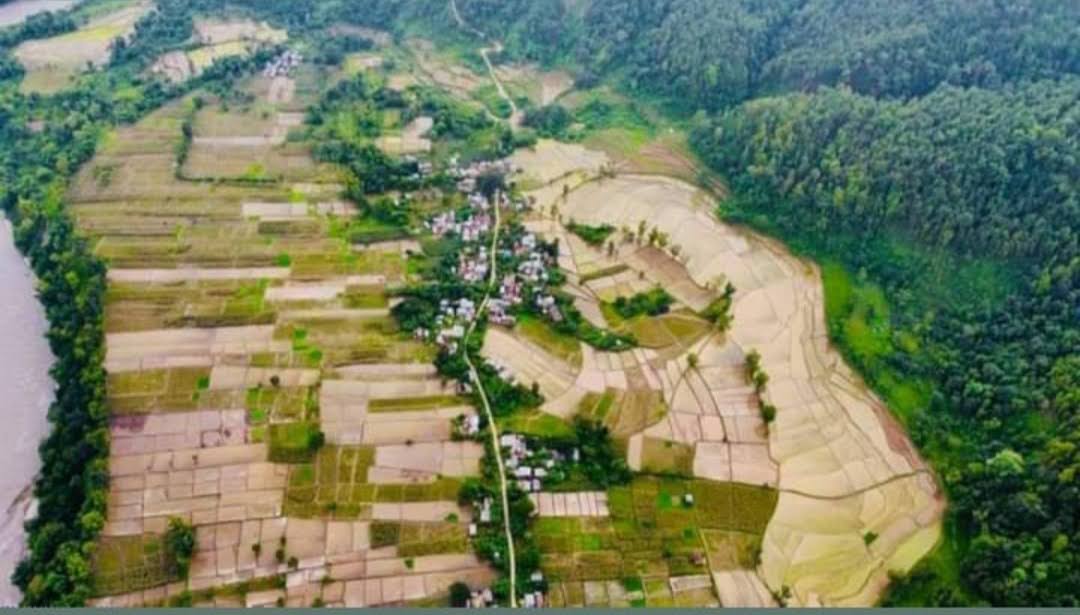
Gorkha
Gorkha, the historic district headquarters of Gorkha District in Gandaki Provinc...
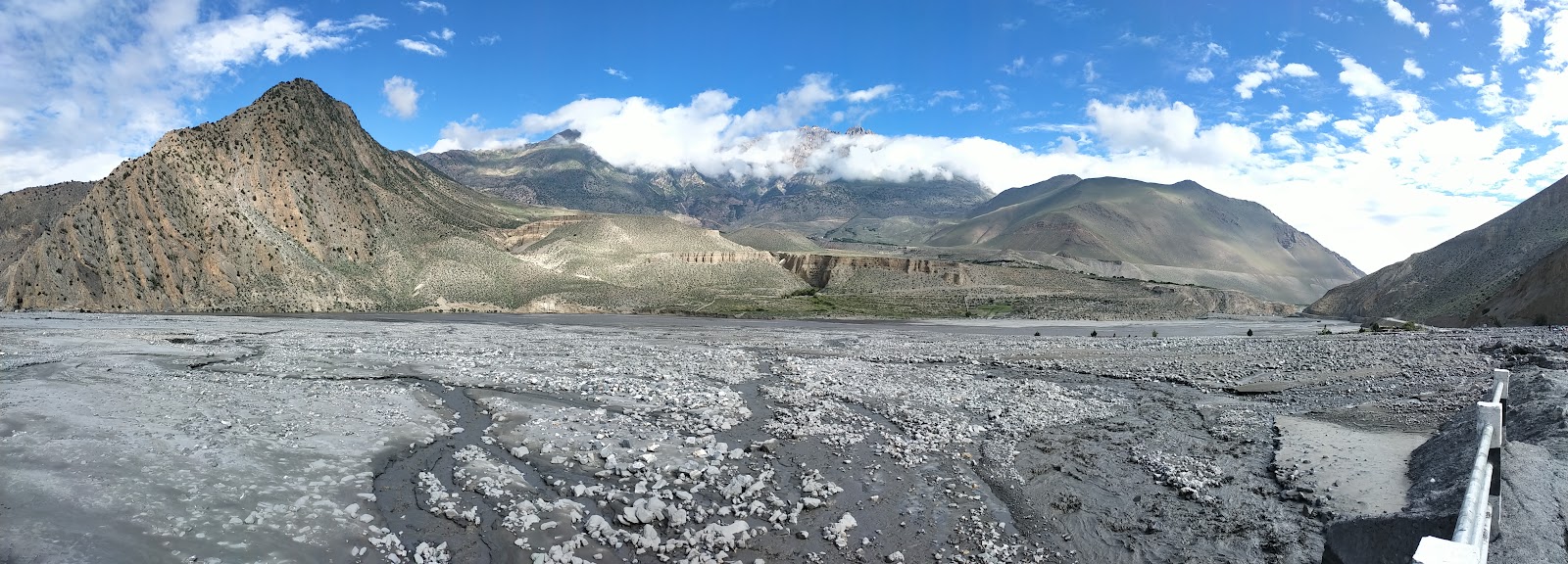
Jomsom
Jomsom, the district headquarters of Mustang District in Gandaki Province, stand...
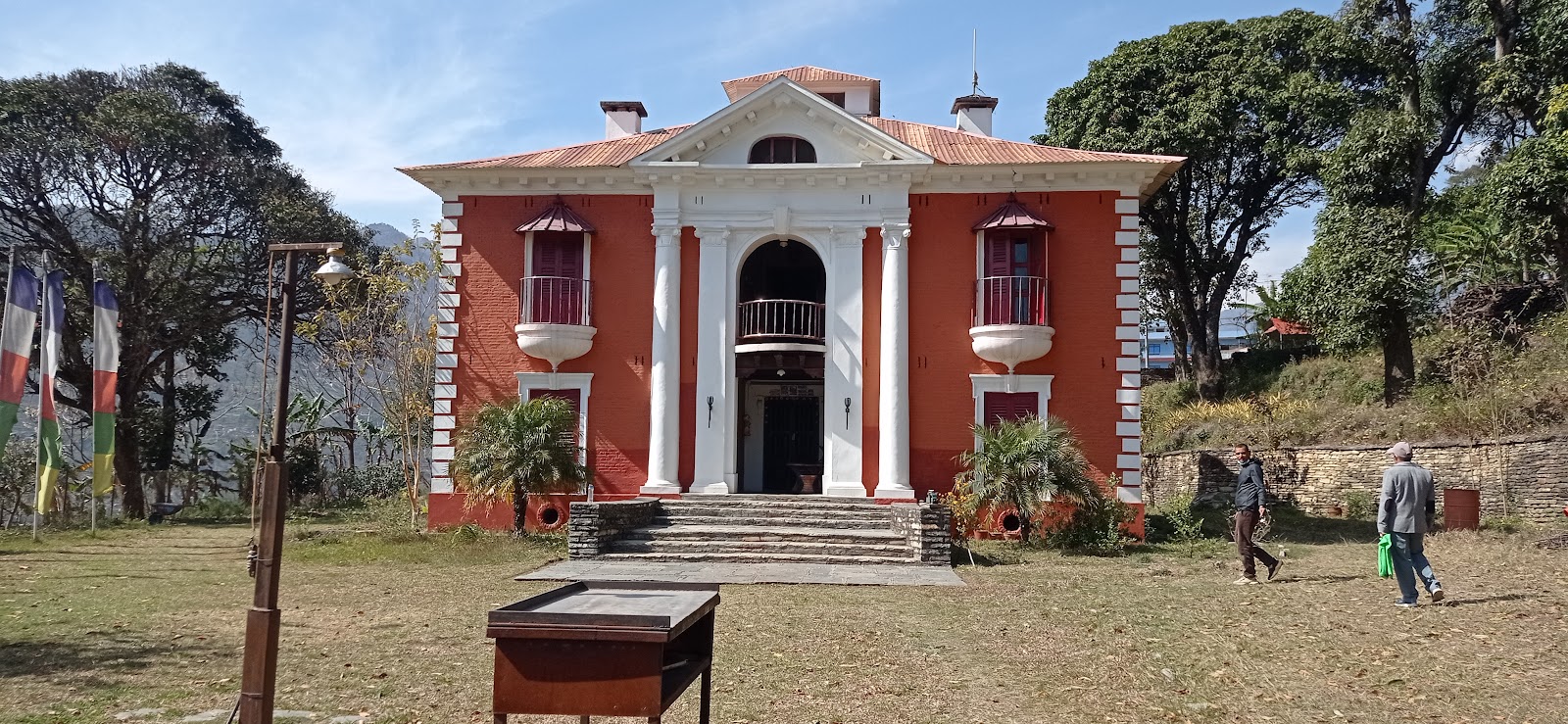
Parbat
Parbat, the district headquarters of Parbat District in Gandaki Province, repres...
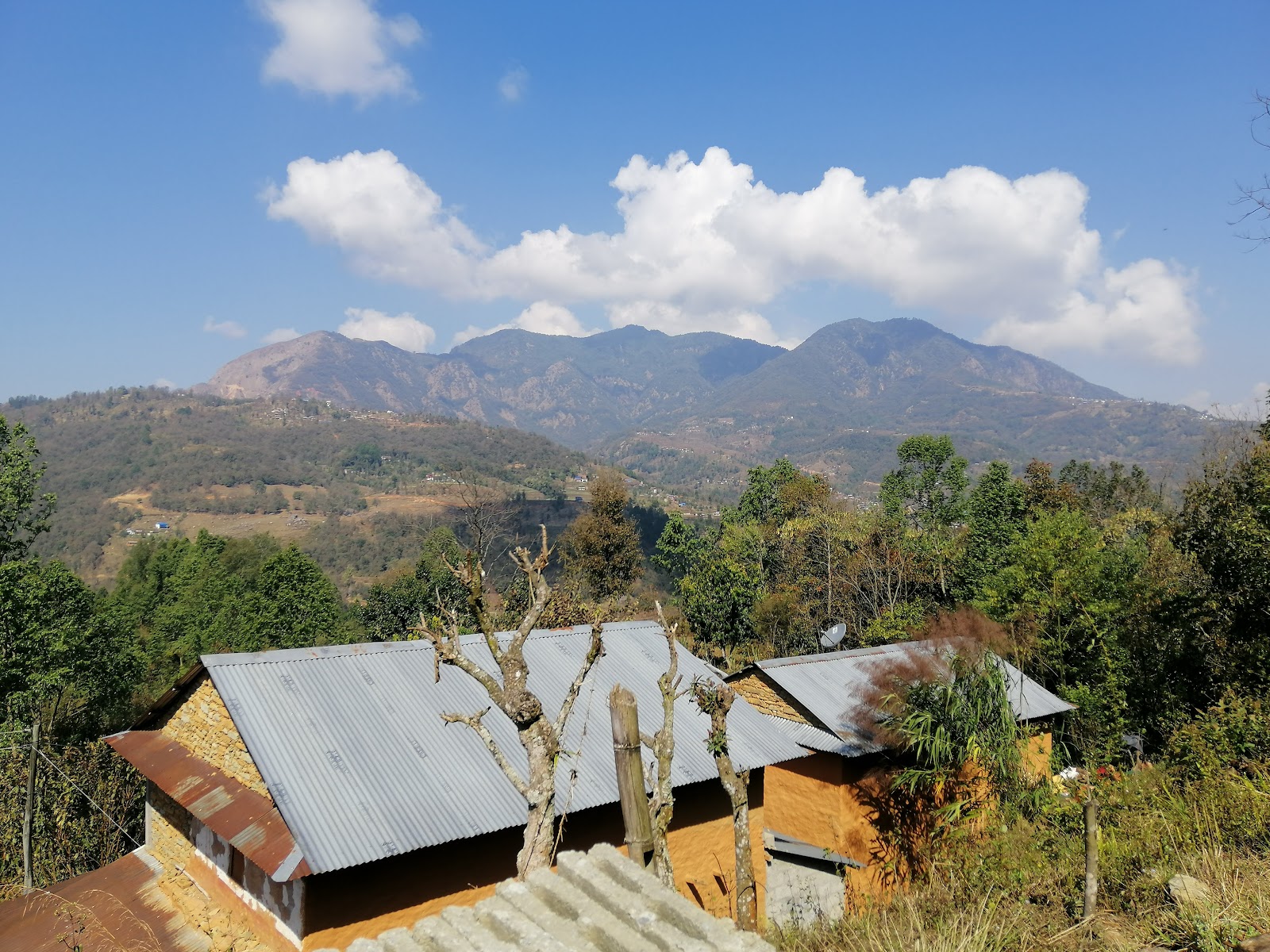
Syangja
Syangja, the district headquarters of Syangja District in Gandaki Province, serv...
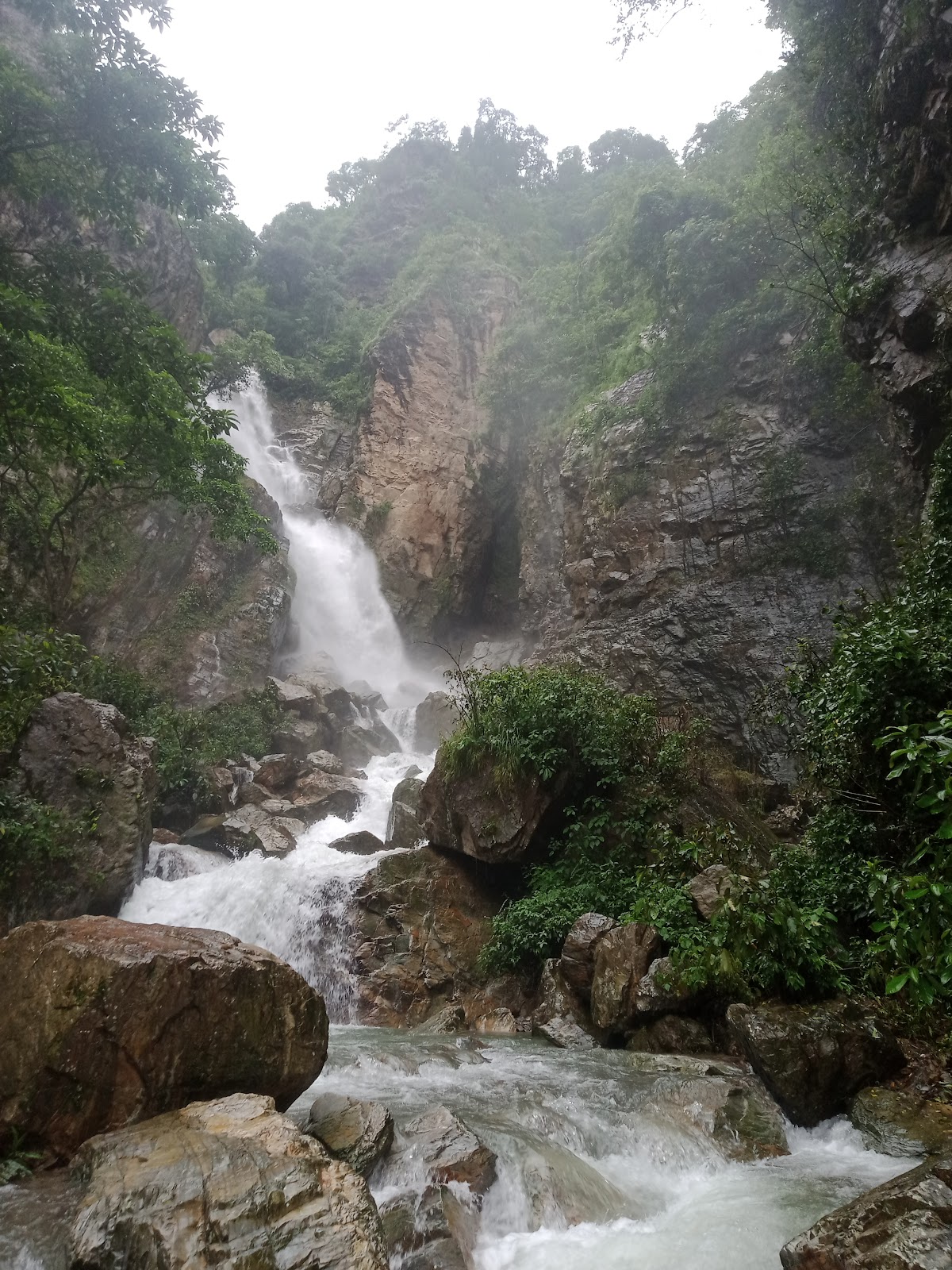
Tanahu
Tanahu, the district headquarters of Tanahun District in Gandaki Province, stand...
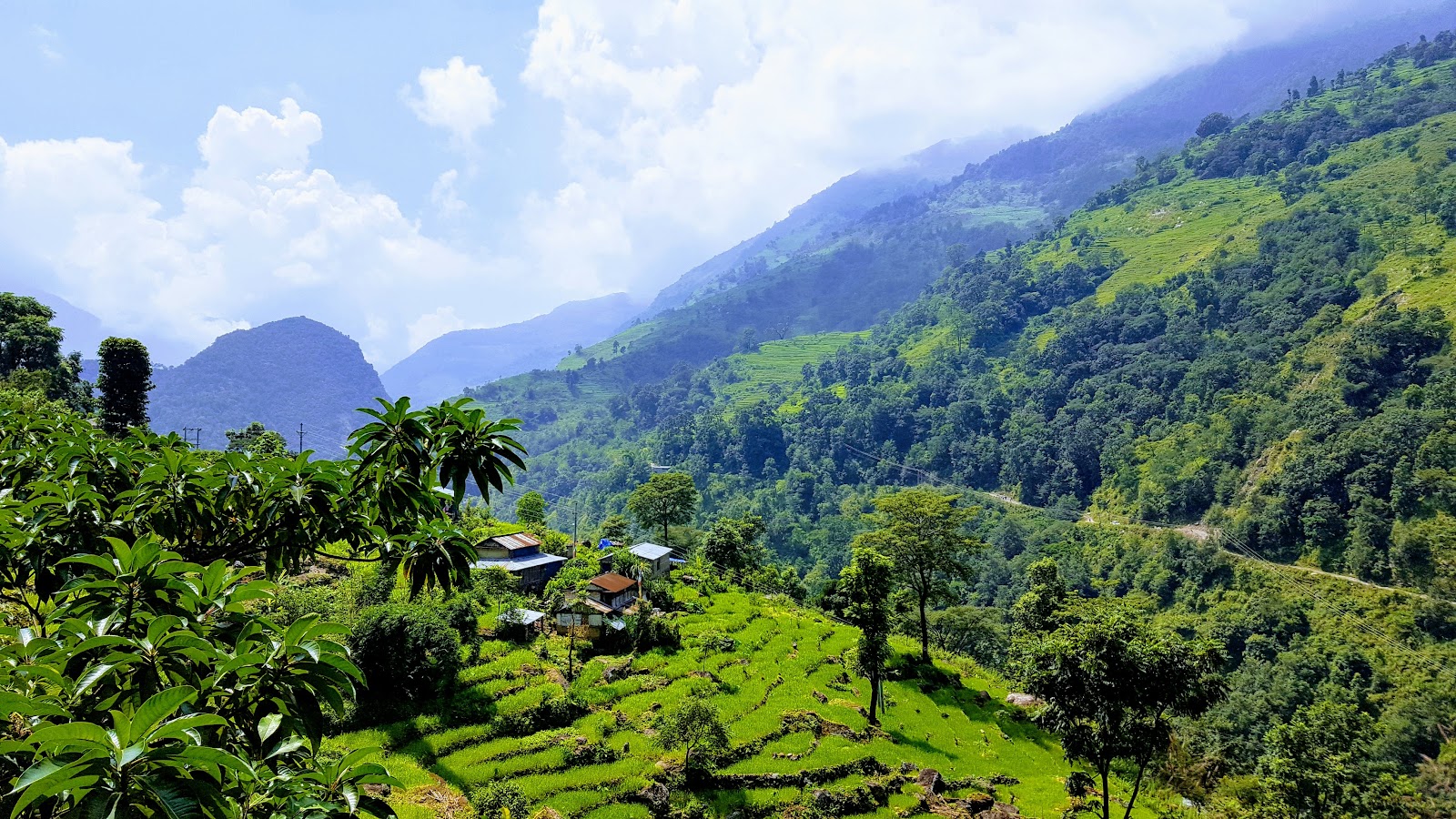
Lamjung
Lamjung, the district headquarters of Lamjung District in Gandaki Province, repr...
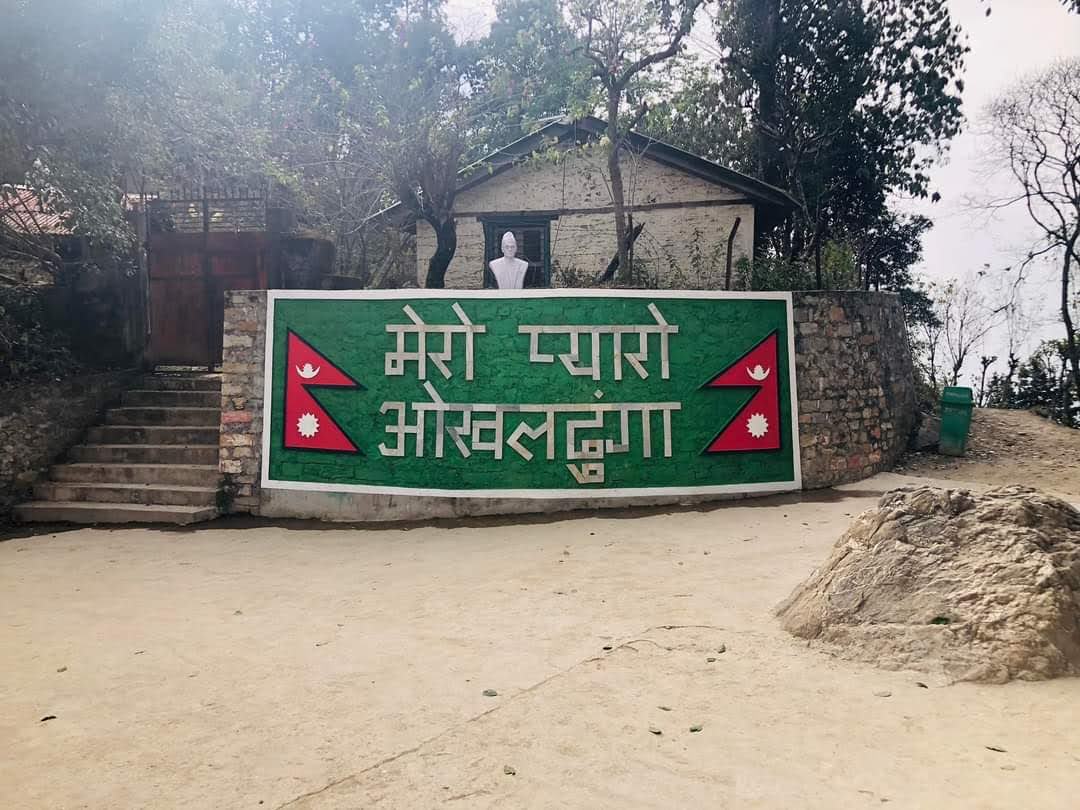
Okhaldhunga
Okhaldhunga, the district headquarters of Okhaldhunga District in Bagmati Provin...
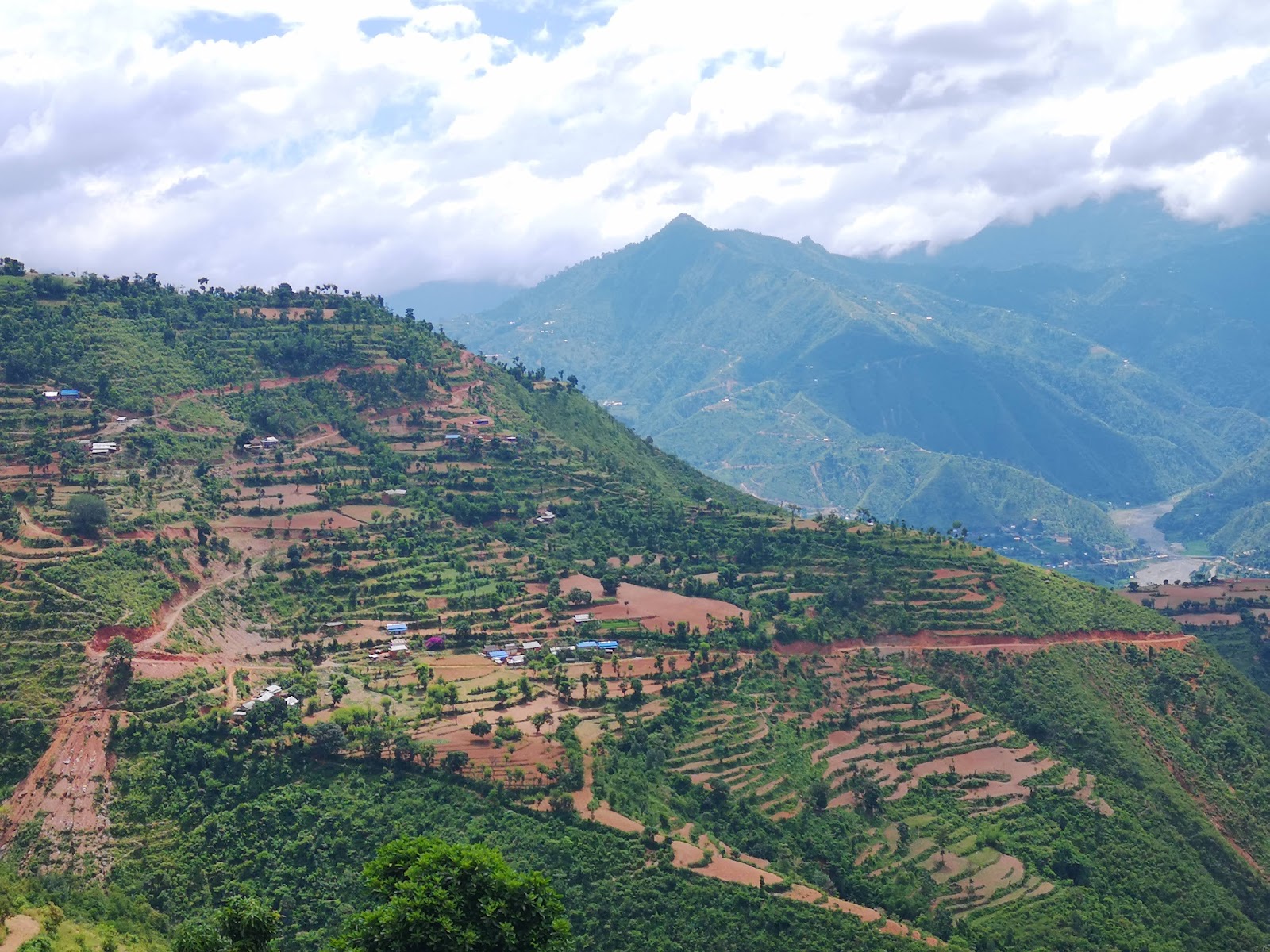
Ramechhap
Ramechhap, the district headquarters of Ramechhap District in Bagmati Province, ...
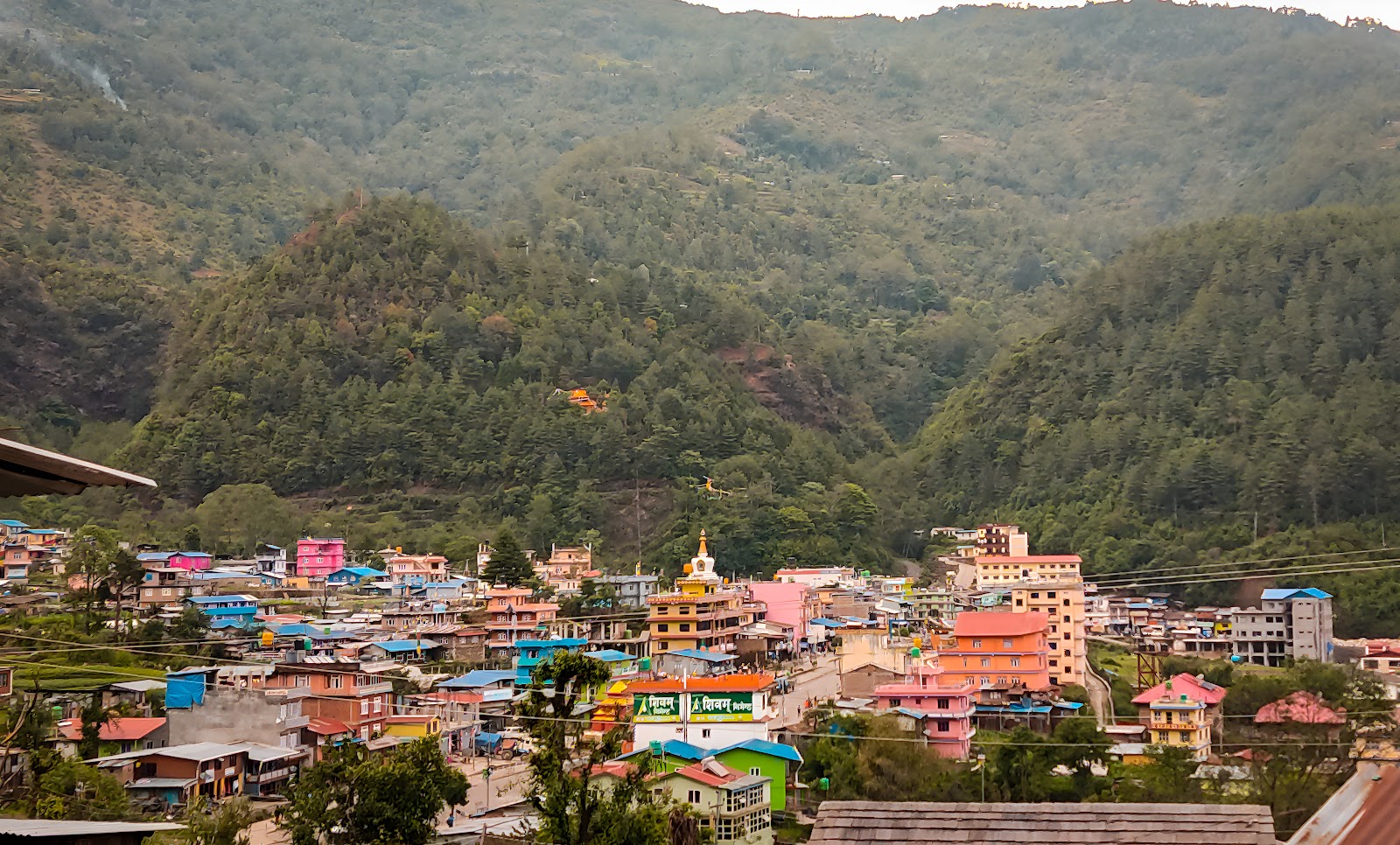
Dolakha
Dolakha, the district headquarters of Dolakha District in Bagmati Province, serv...
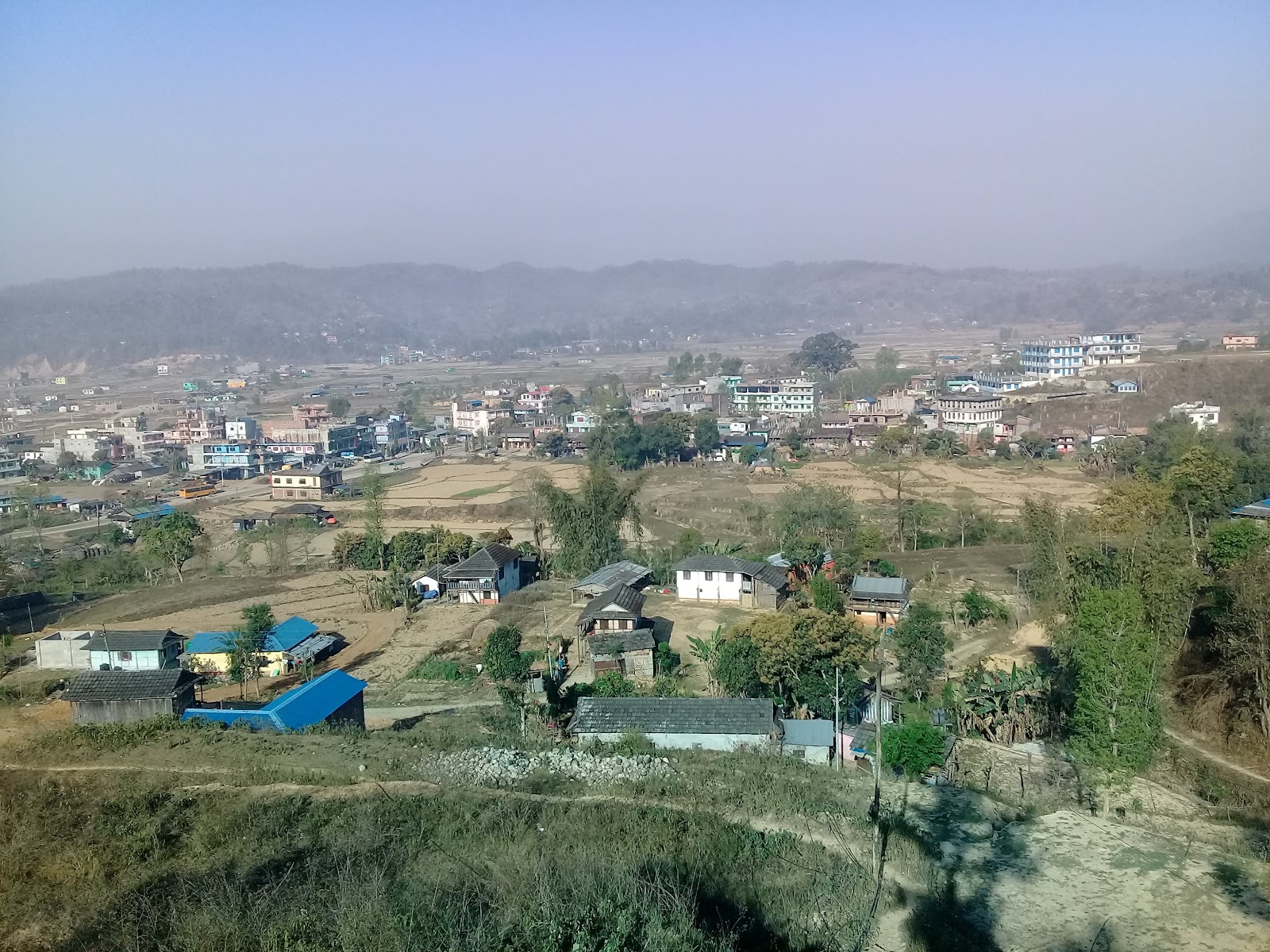
Sindhuli
Sindhuli, the district headquarters of Sindhuli District in Bagmati Province, re...
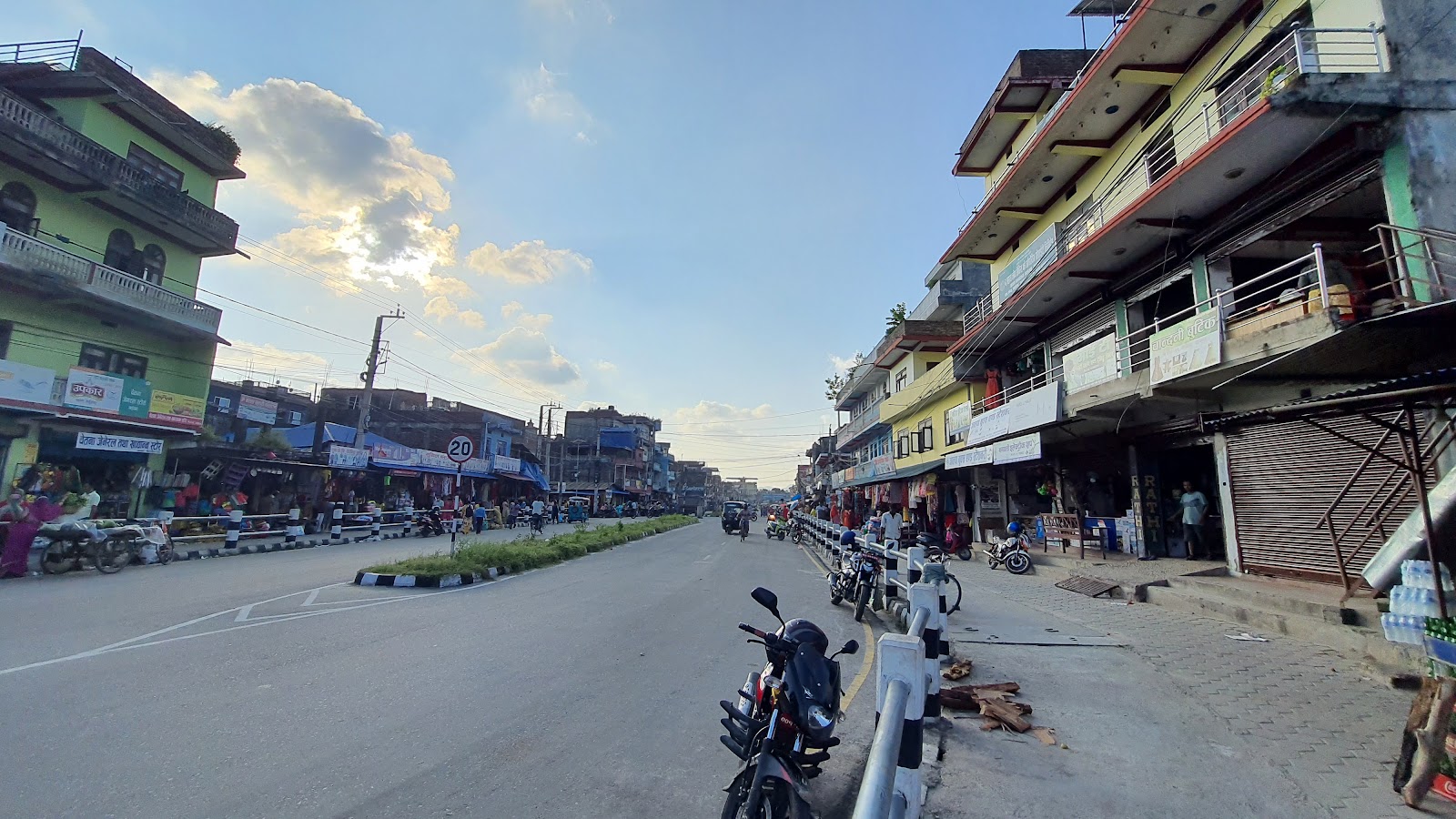
Udayapur
Udayapur, the district headquarters of Udayapur District in Sagarmatha Province,...
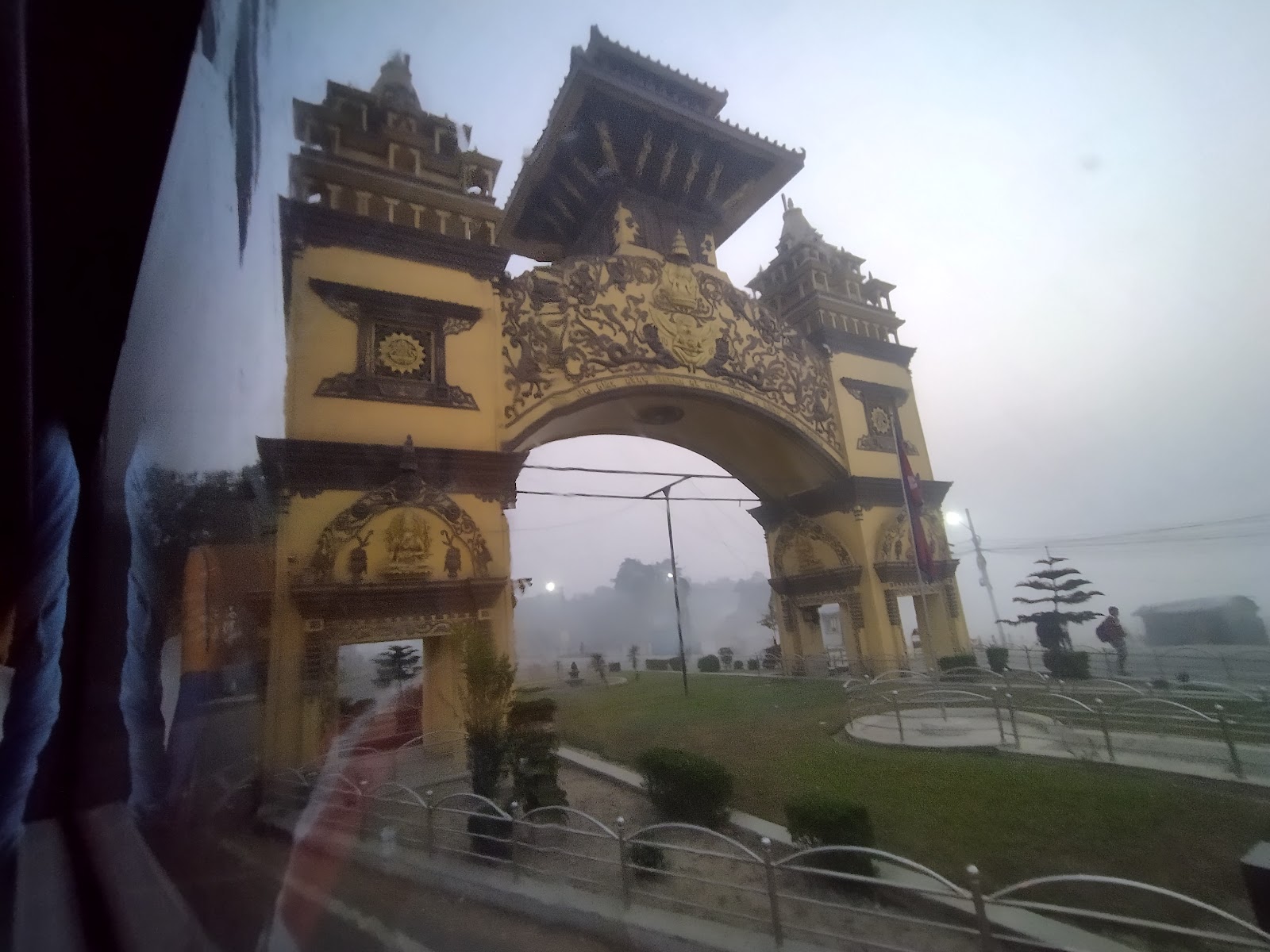
Raxaul
Raxaul, the district headquarters of Rautahat District in Madhesh Province, serv...
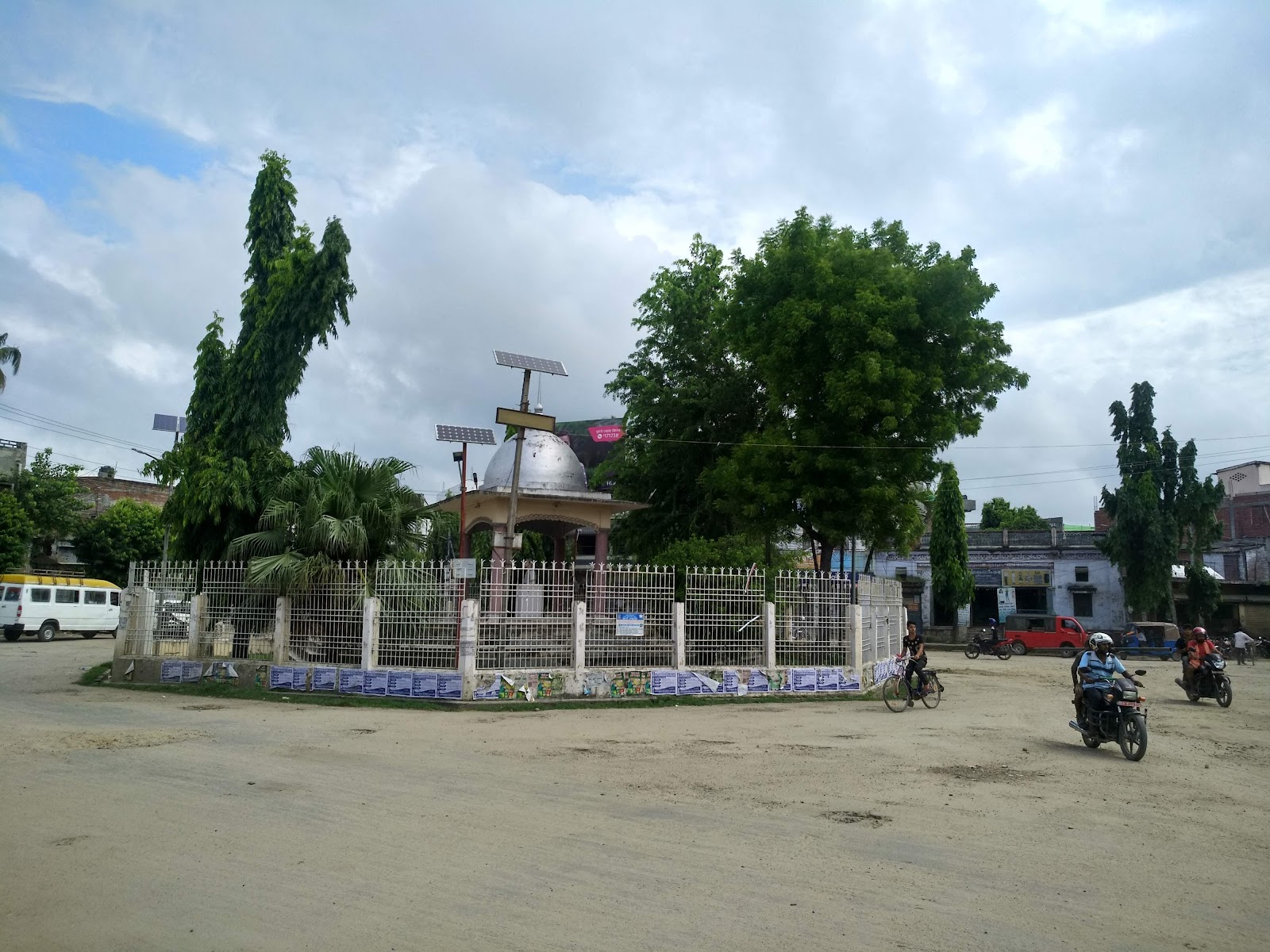
Saptari
Saptari, the district headquarters of Saptari District in Sagarmatha Province, r...
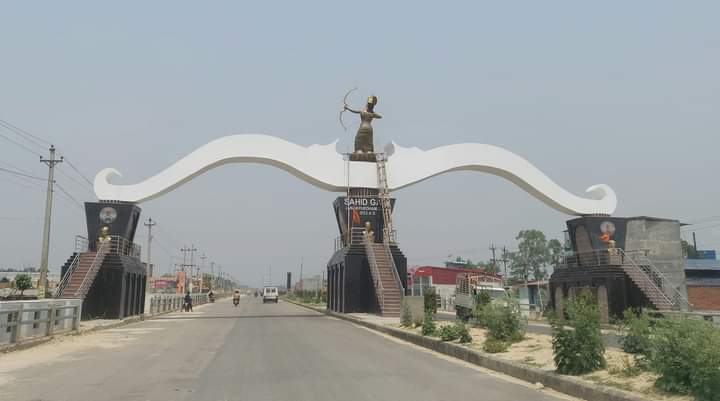
Dhanusa
Dhanusa, the district headquarters of Dhanusa District in Sagarmatha Province, r...
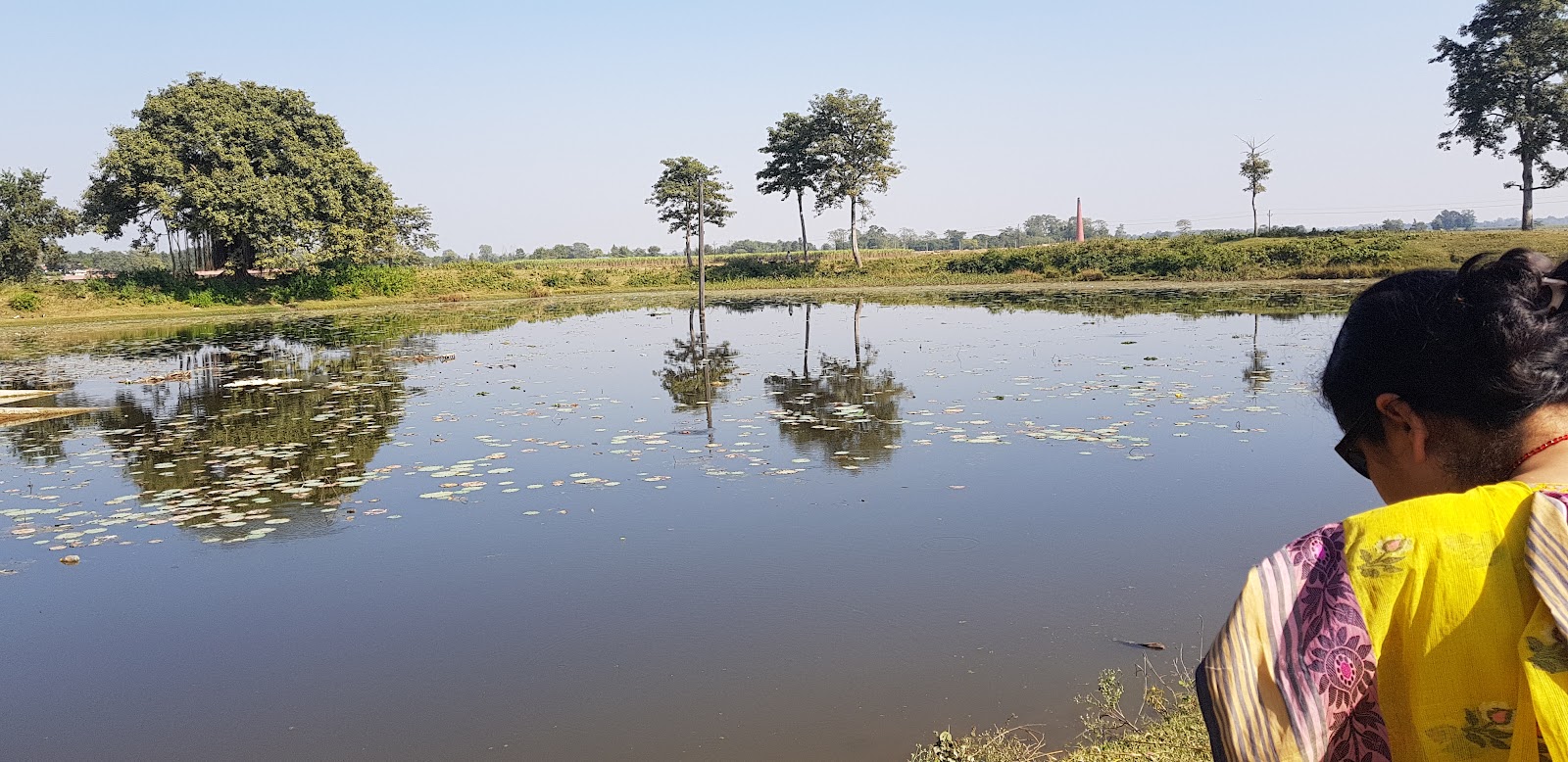
Kapilvastu
Kapilvastu, the district headquarters of Kapilvastu District in Lumbini Province...
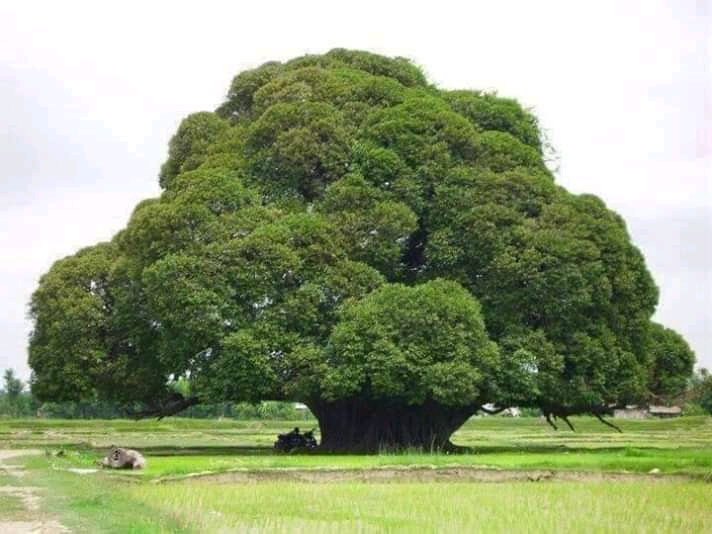
Rupandehi
Rupandehi, the district headquarters of Rupandehi District in Lumbini Province, ...
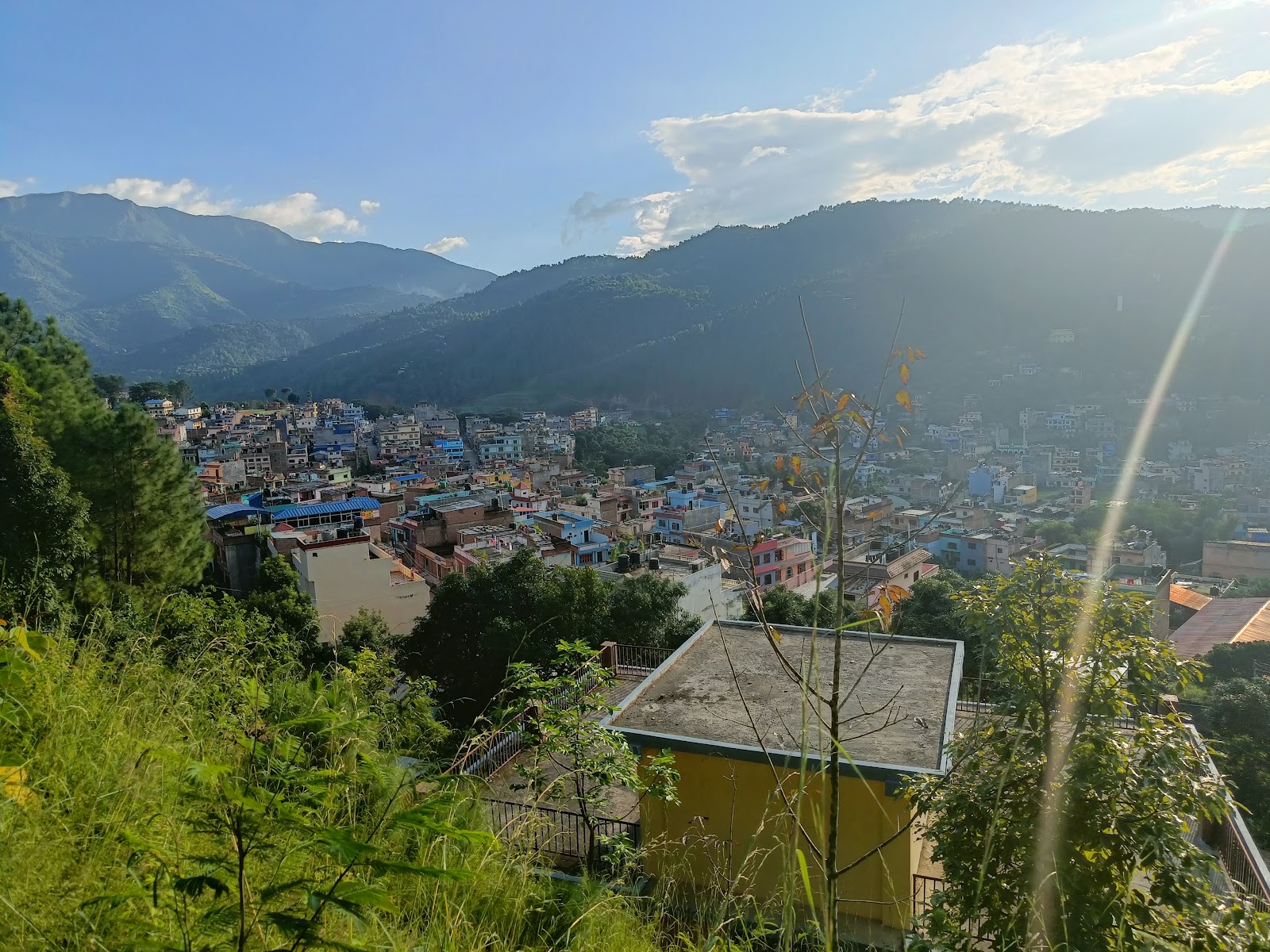
Arghakhanchi
Arghakhanchi, the district headquarters of Arghakhanchi District in Lumbini Prov...
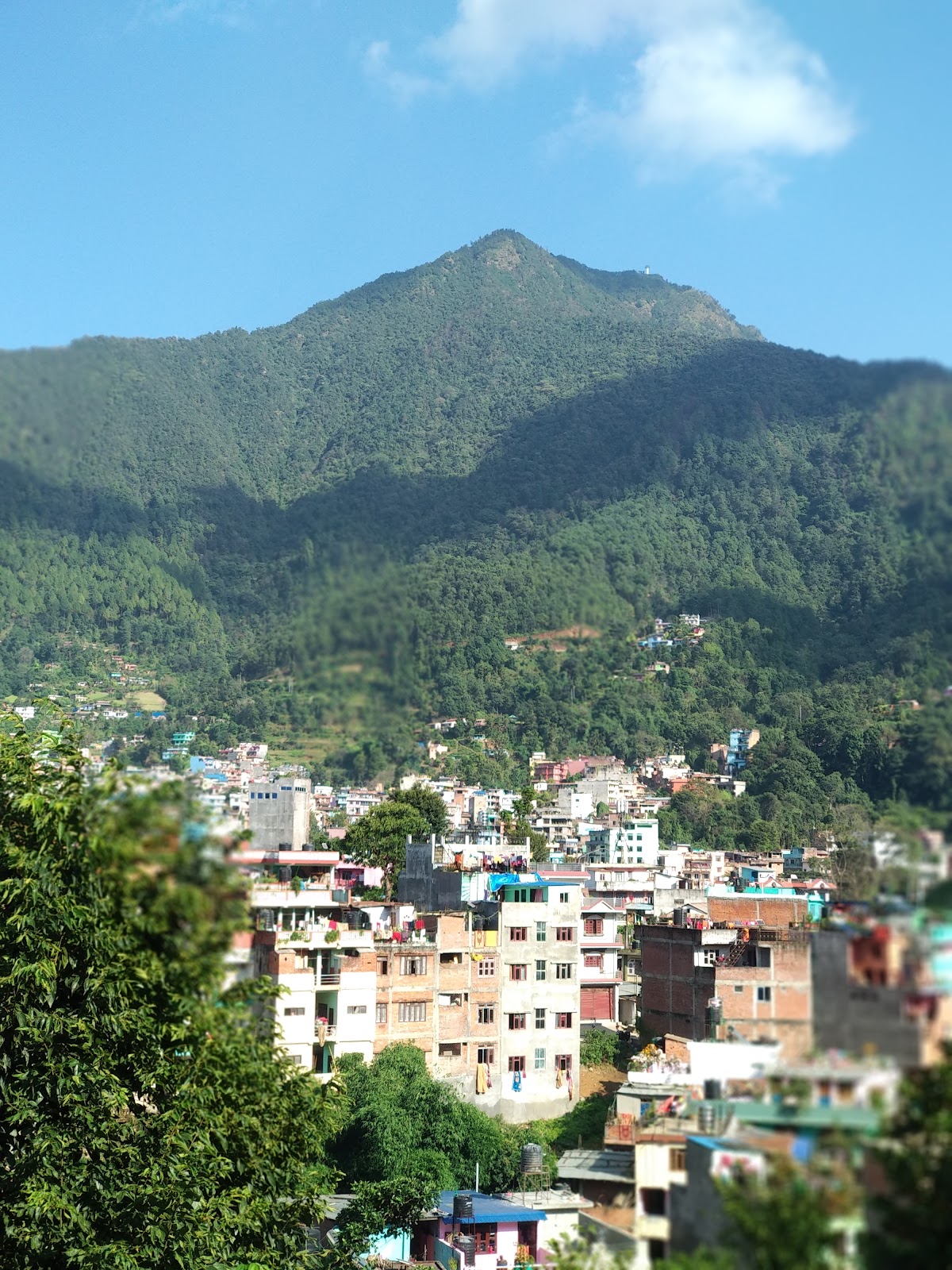
Gulmi
Gulmi, the district headquarters of Gulmi District in Lumbini Province, stands a...
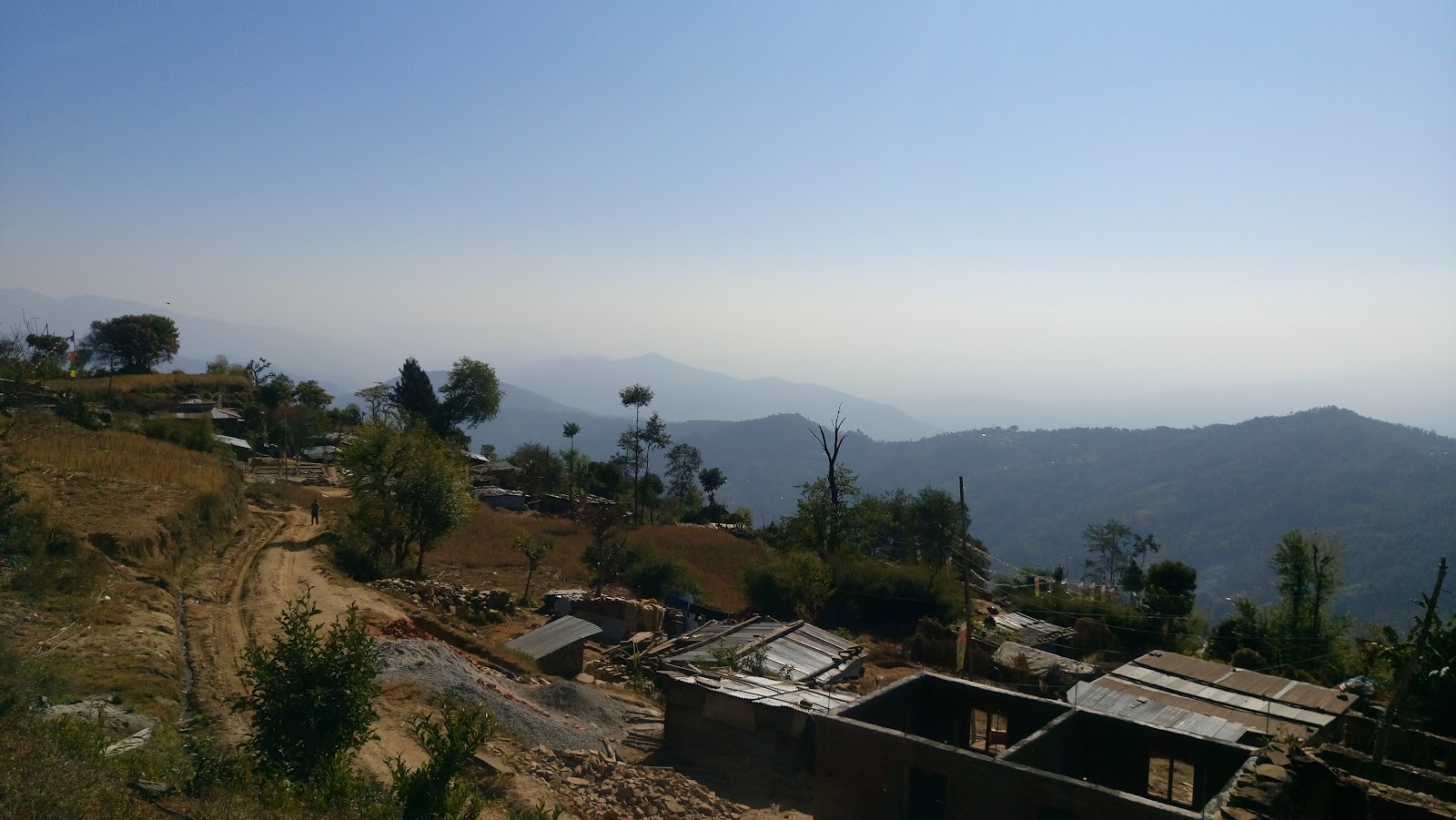
Nawalparasi
Nawalparasi, the district headquarters of Nawalparasi District in Lumbini Provin...
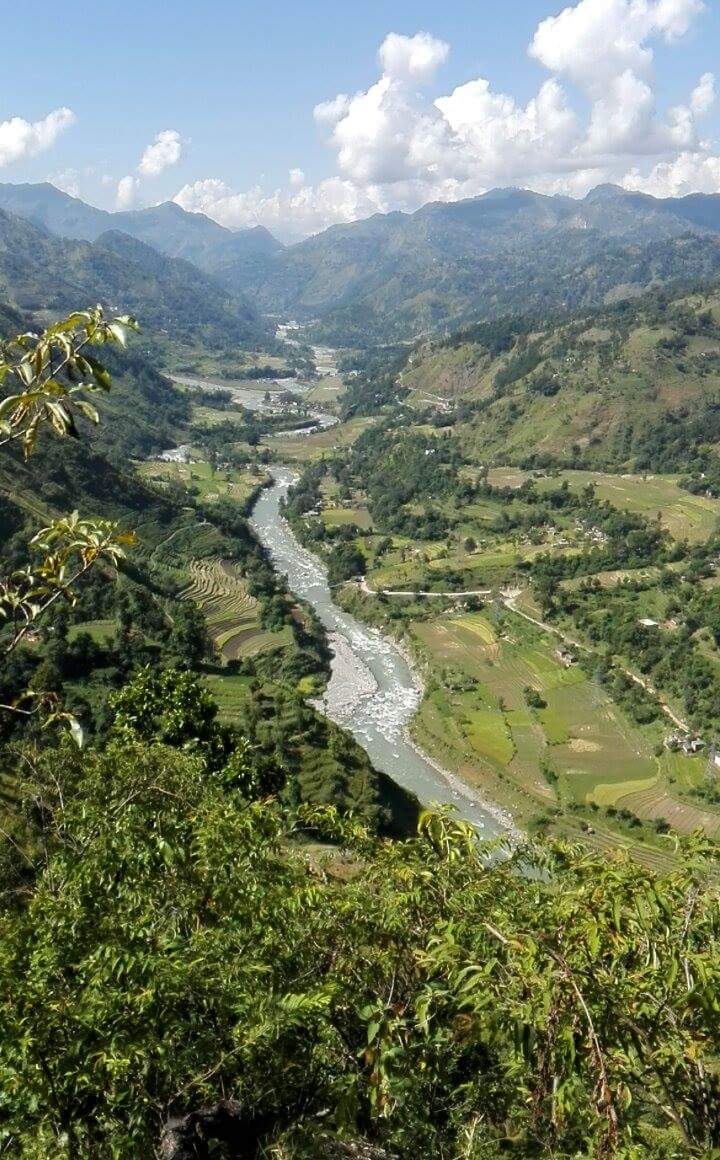
Baitadi
Baitadi, the district headquarters of Baitadi District in Sudurpashchim Province...
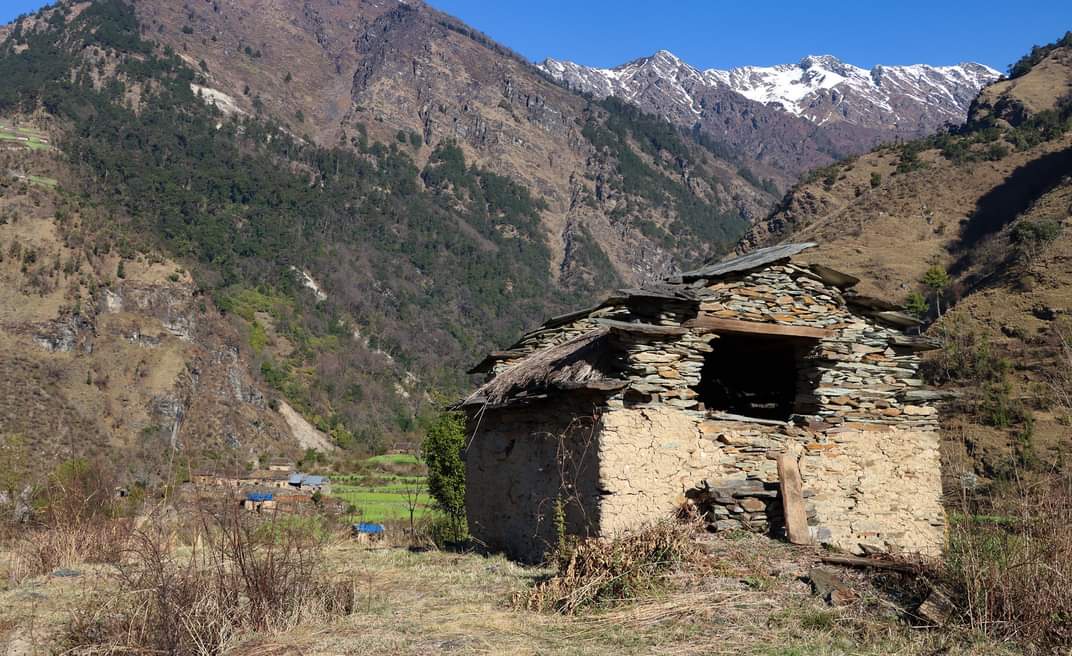
Bajhang
Bajhang, the district headquarters of Bajhang District in Sudurpashchim Province...
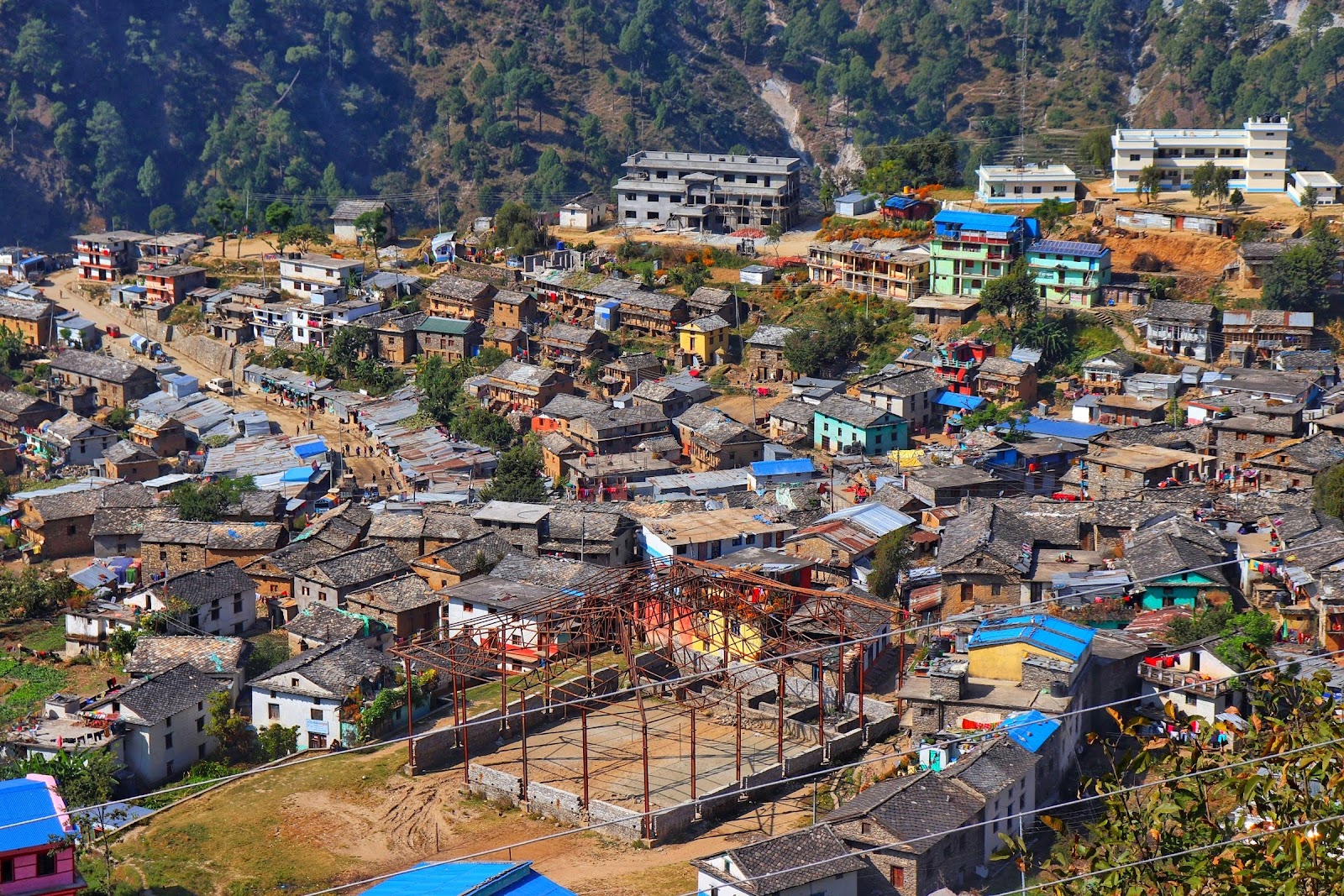
Bajura
Bajura, the district headquarters of Bajura District in Sudurpashchim Province, ...
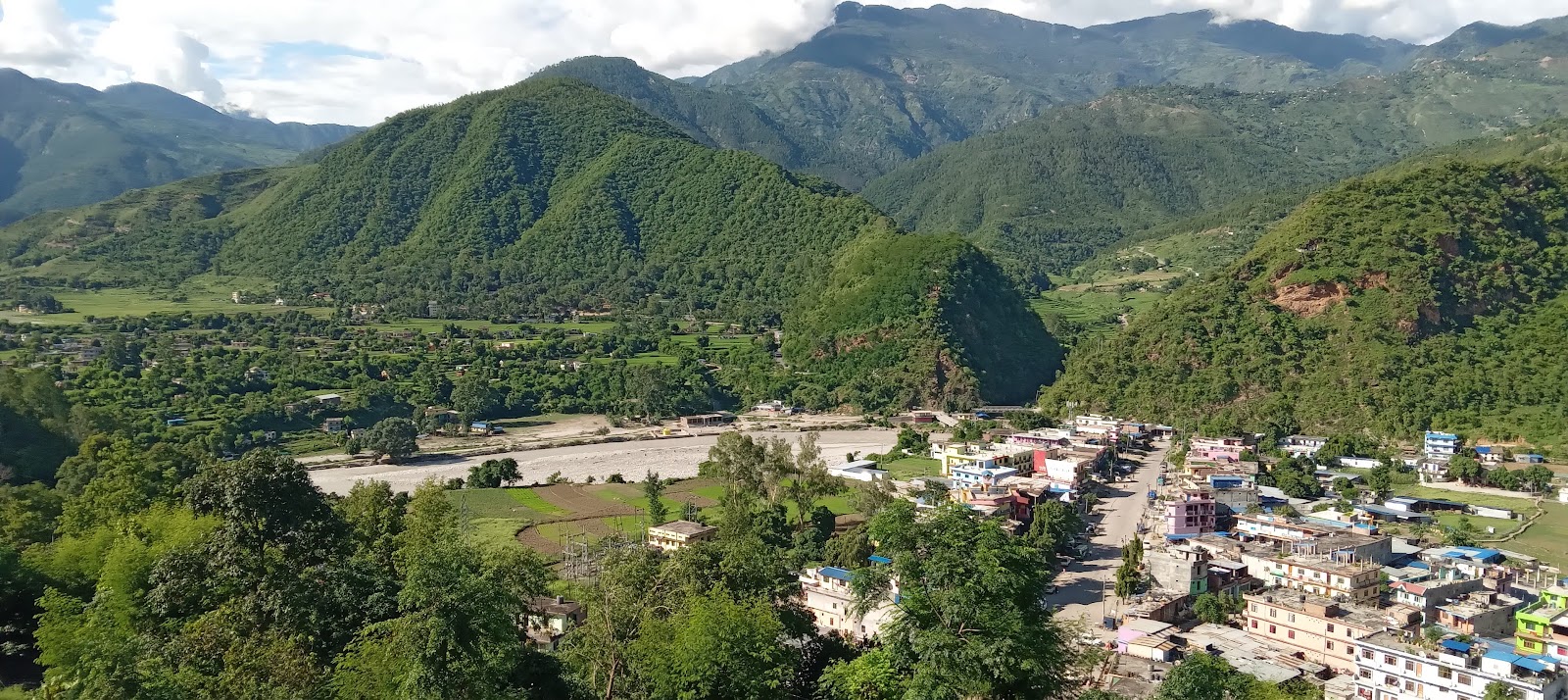
Doti
Doti, the district headquarters of Doti District in Sudurpashchim Province, serv...
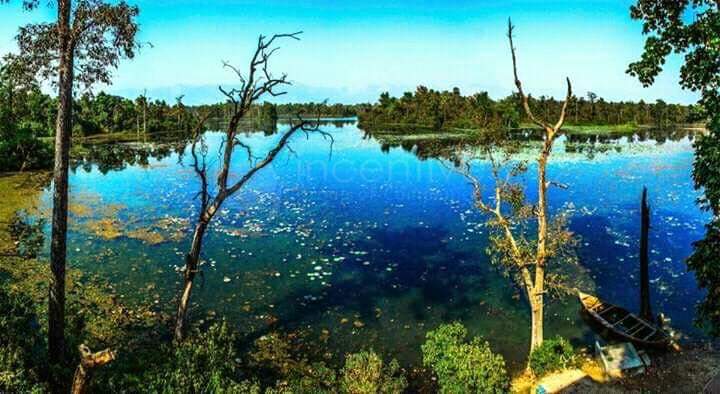
Kailali
Kailali, the district headquarters of Kailali District in Sudurpashchim Province...
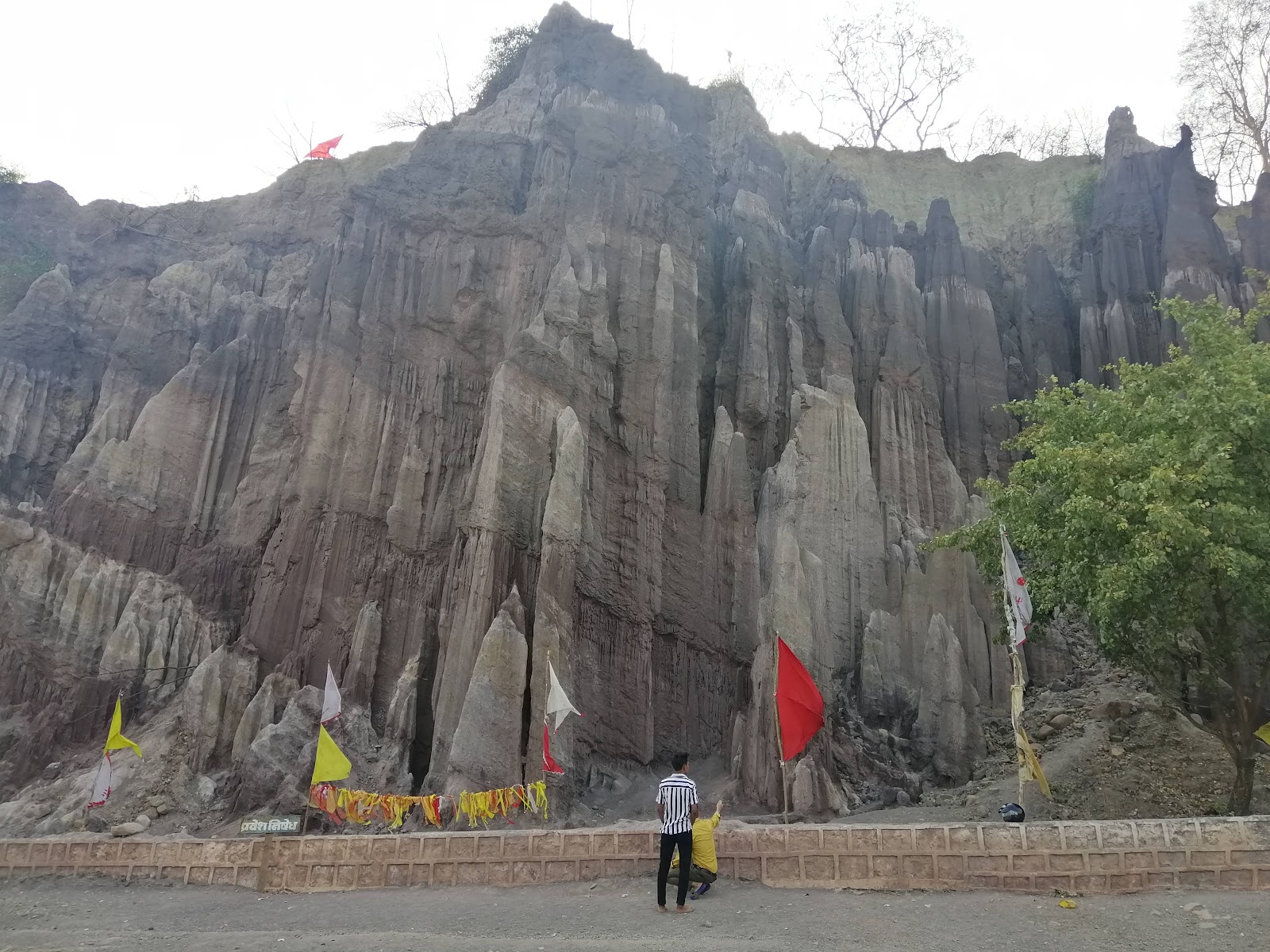
Kanchanpur
Kanchanpur, the district headquarters of Kanchanpur District in Sudurpashchim Pr...
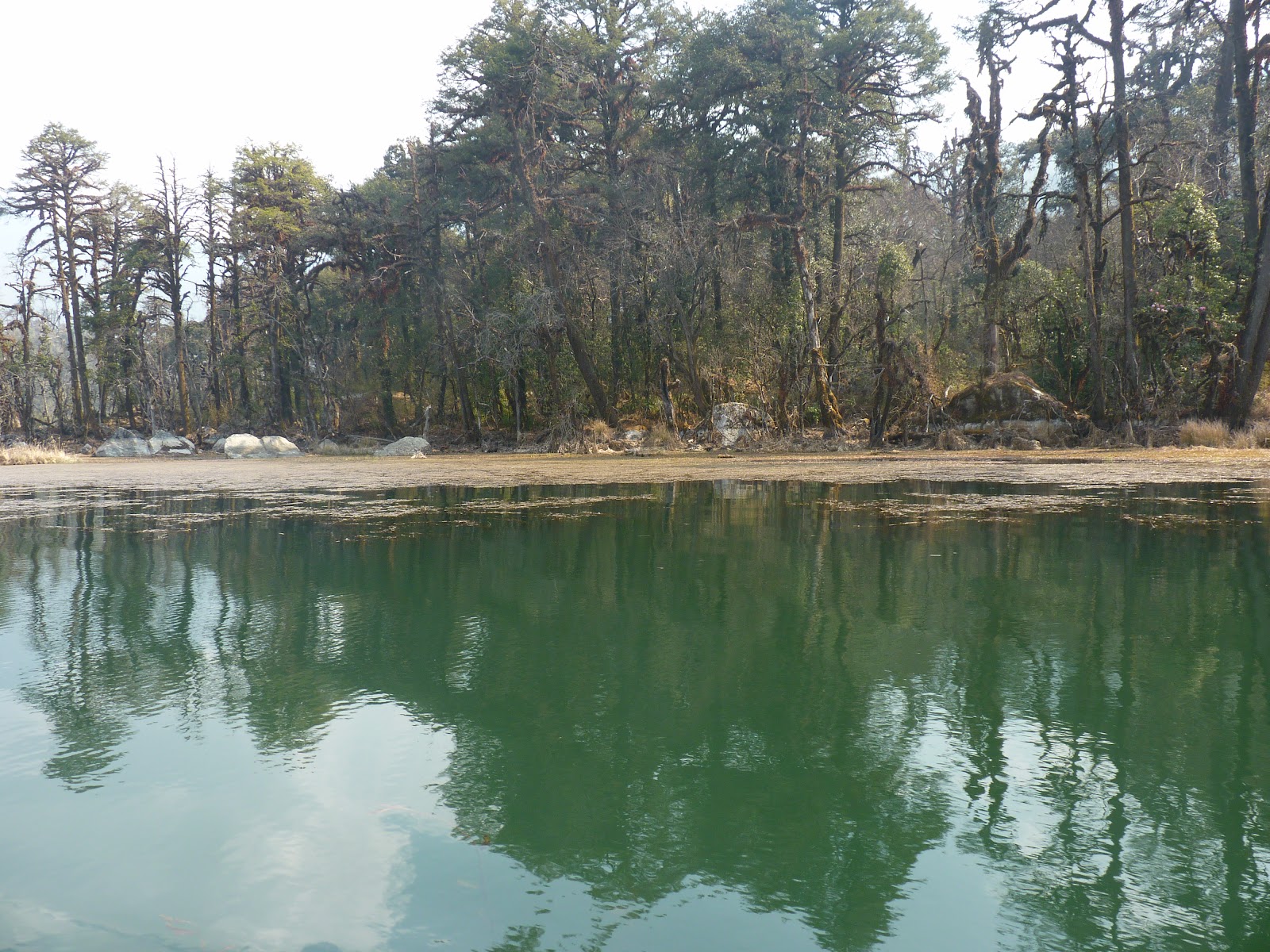
Achham
Achham, the district headquarters of Achham District in Sudurpashchim Province, ...
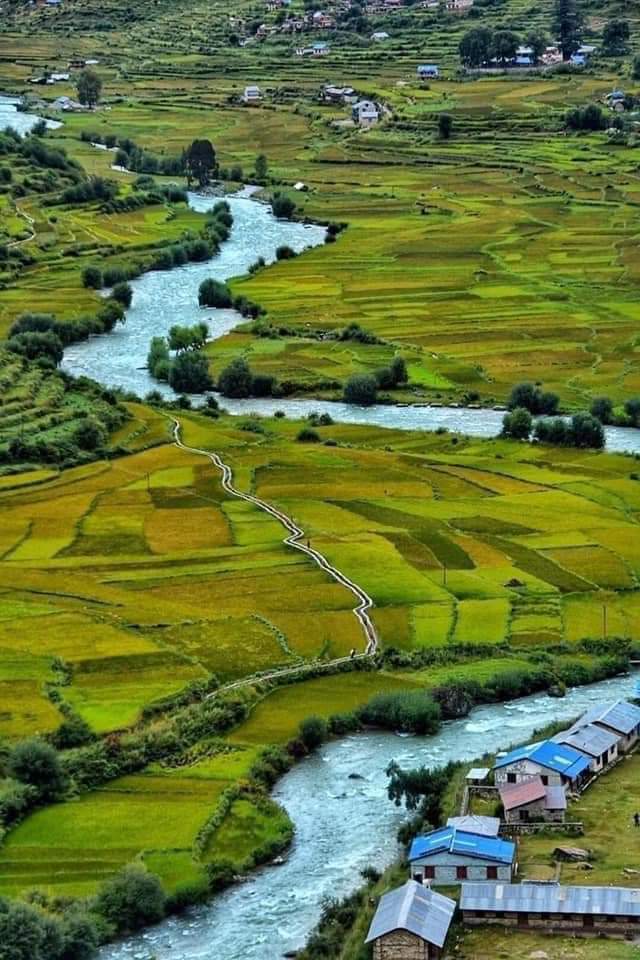
Jumla
Jumla, the district headquarters of Jumla District in Karnali Province, stands a...
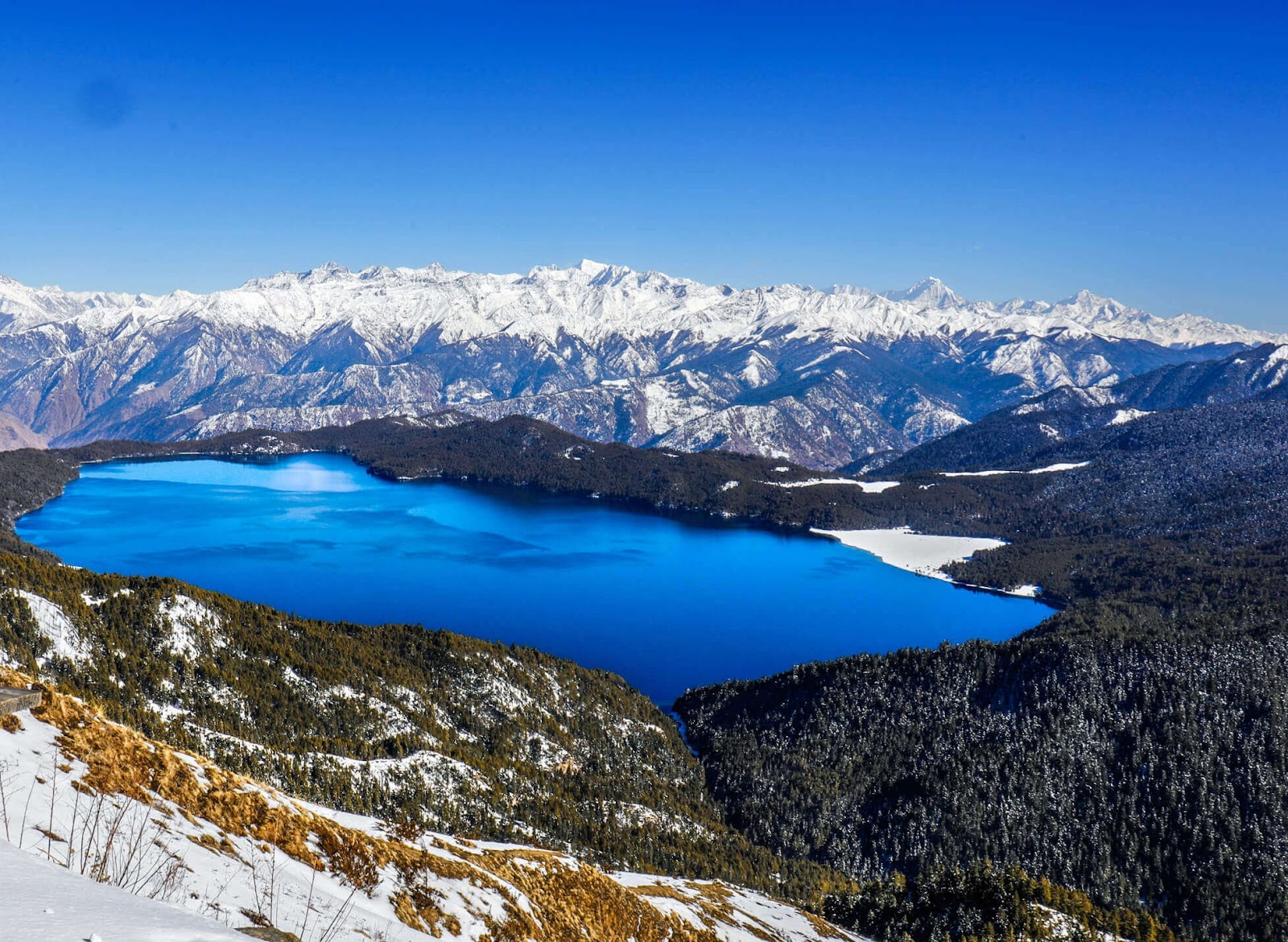
Mugu
Mugu, the district headquarters of Mugu District in Karnali Province, represents...
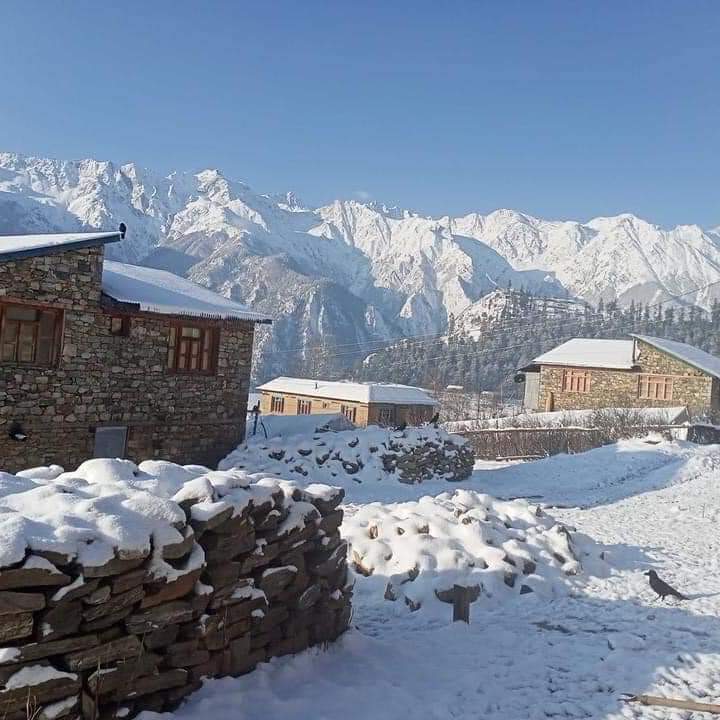
Simikot
Simikot, the district headquarters of Humla District in Karnali Province, stands...
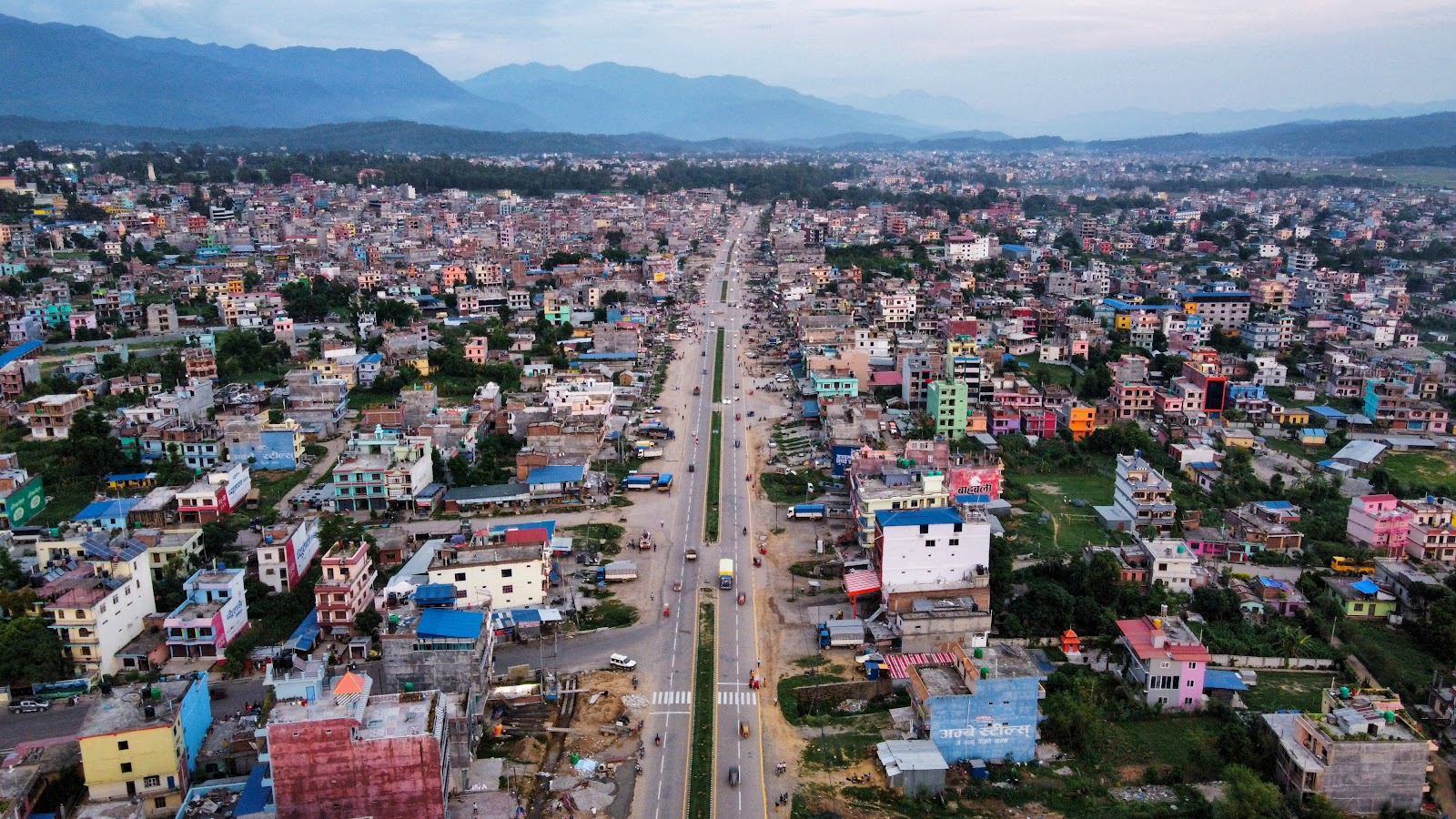
Surkhet
Surkhet, the district headquarters of Surkhet District in Karnali Province, serv...
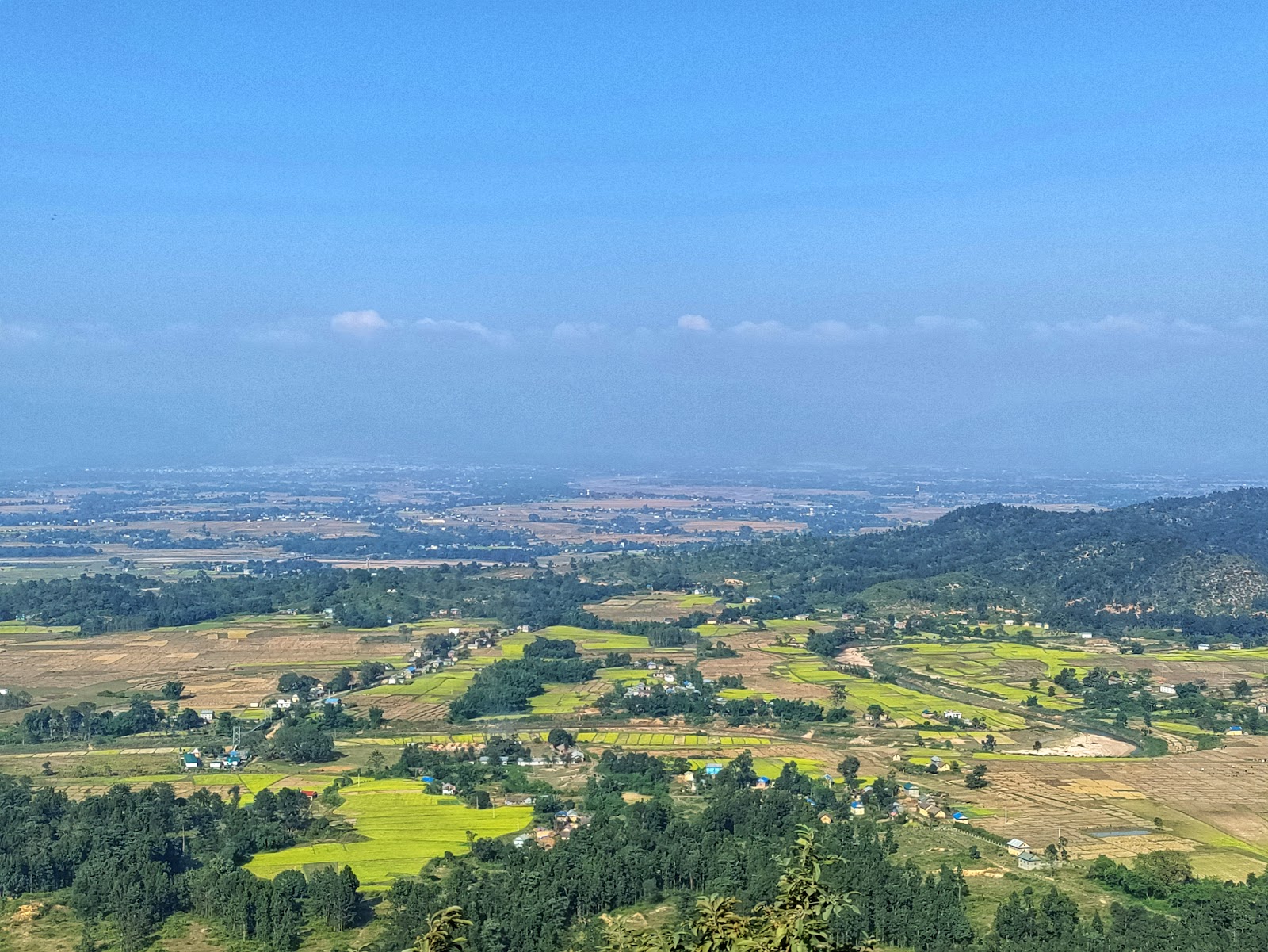
Ghorahi
Ghorahi, the district headquarters and major city of Dang District in Lumbini Pr...
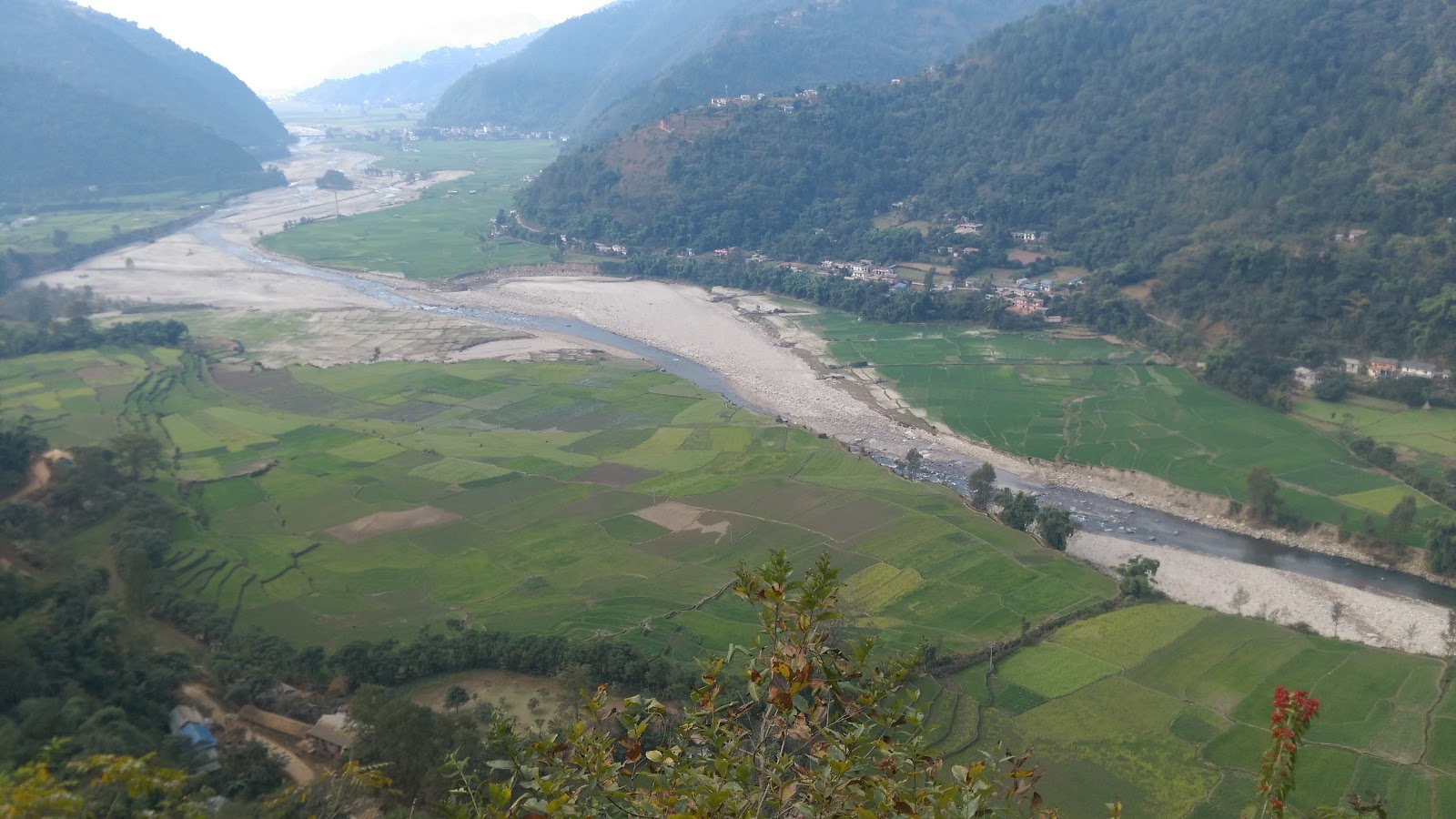
Pyuthan
Pyuthan, the district headquarters of Pyuthan District in Lumbini Province, repr...
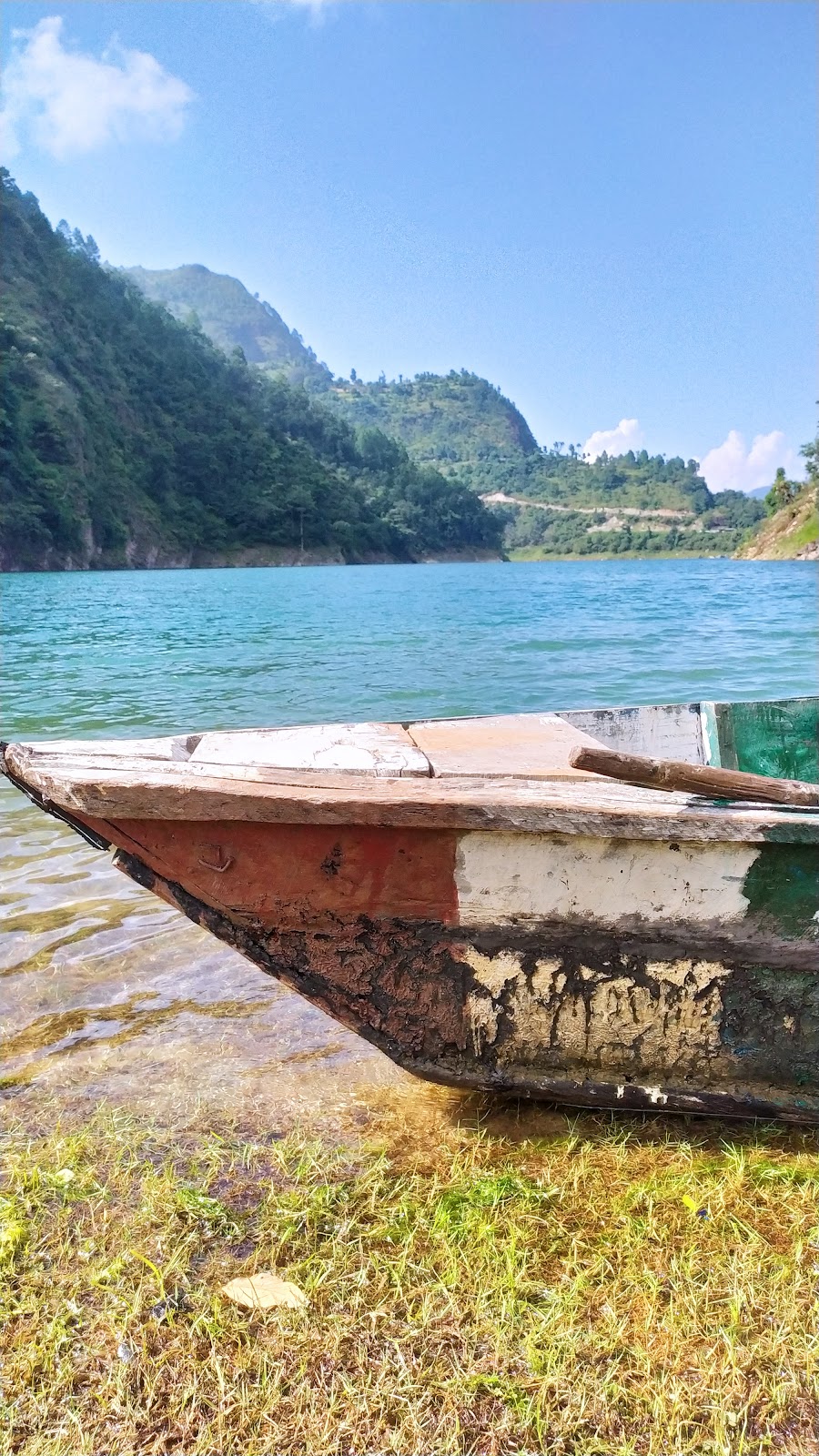
Rolpa
Rolpa, the district headquarters of Rolpa District in Lumbini Province, serves a...
Rukum
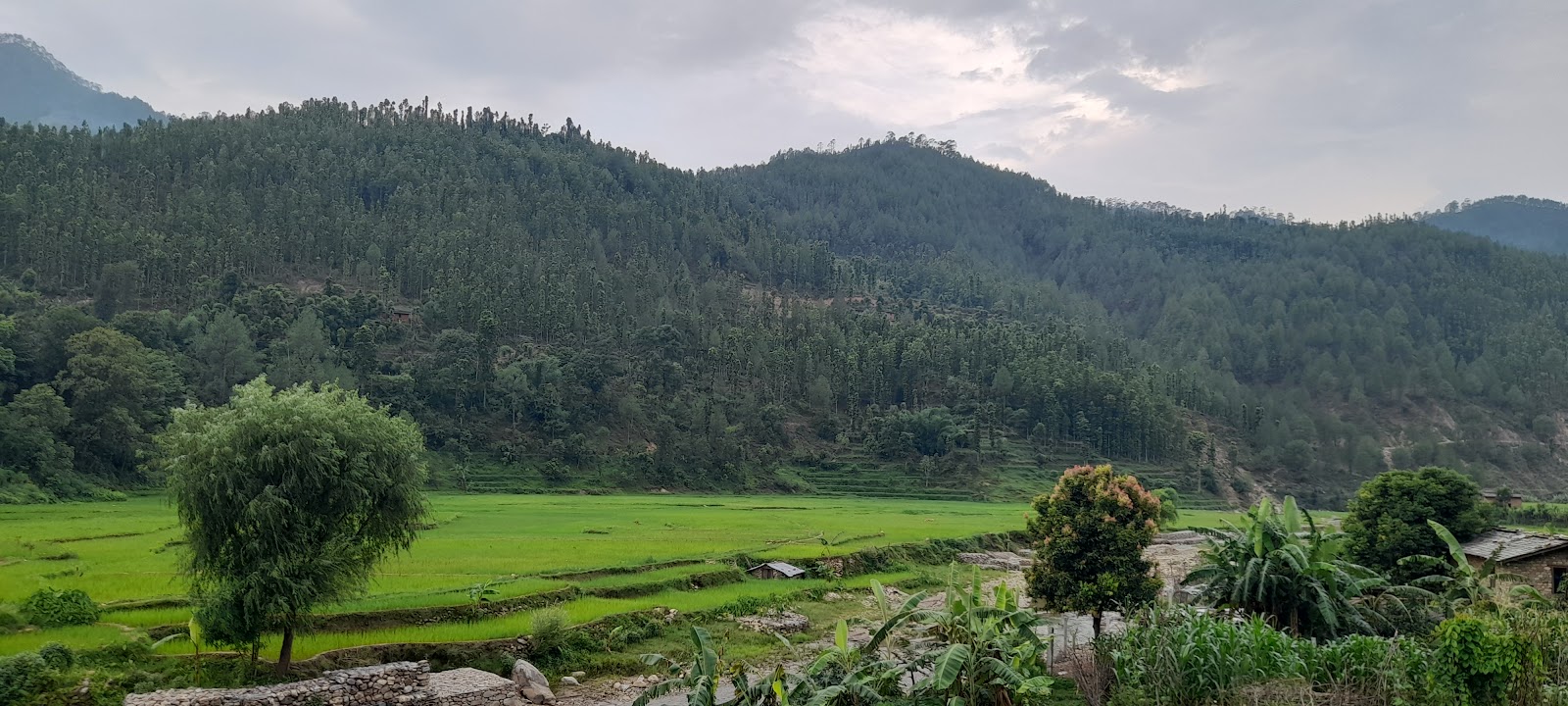
Rukum, the district headquarters of Rukum District in Karnali Province, serves a...
Salyan
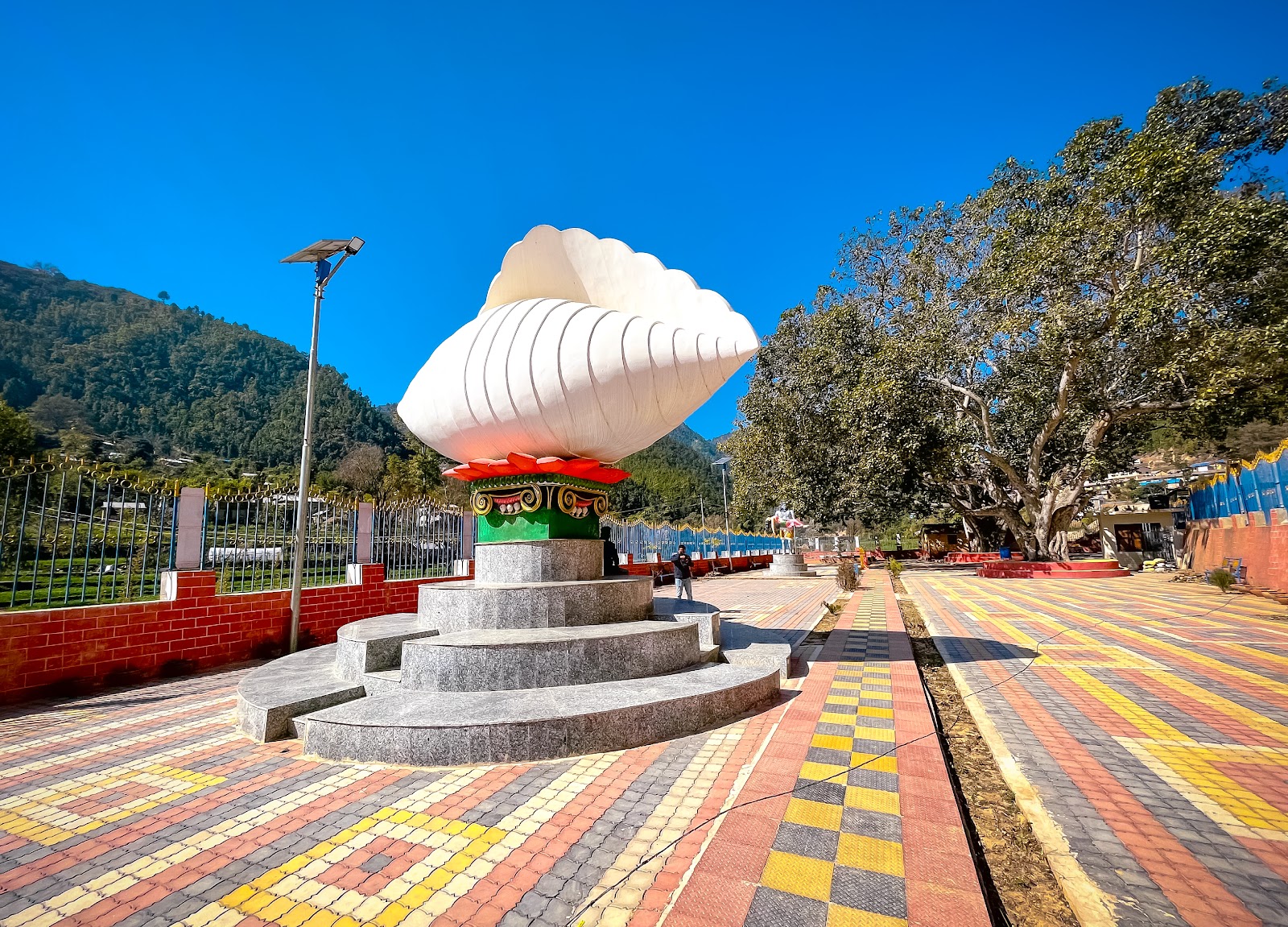
Salyan, the district headquarters of Salyan District in Karnali Province, stands...
Jajarkot
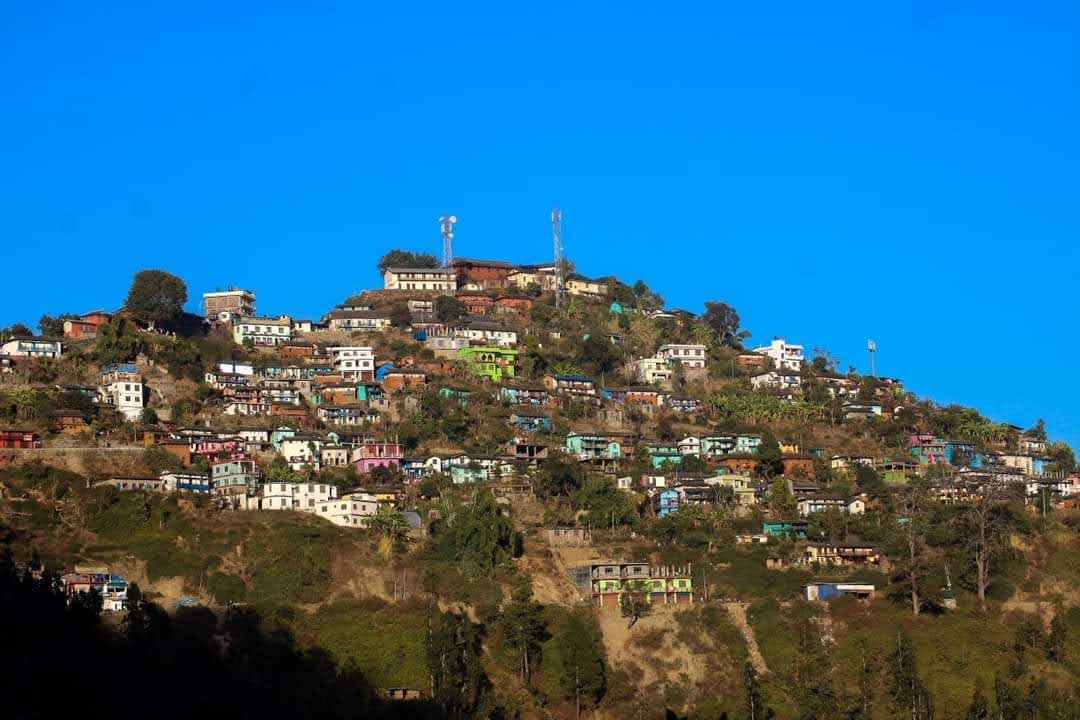
Jajarkot, the district headquarters of Jajarkot District in Karnali Province, se...
Sandhikharka
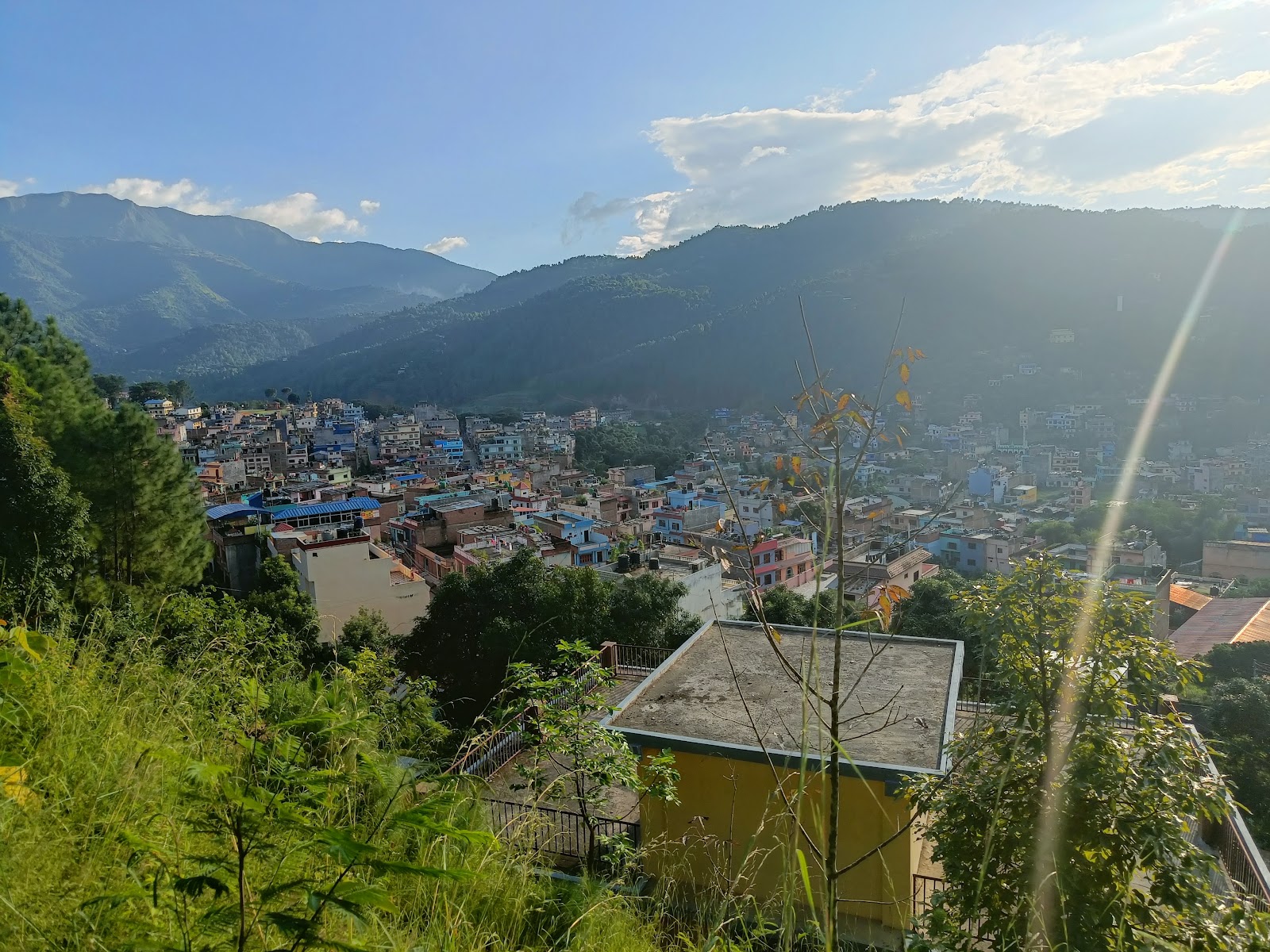
Sandhikharka is a municipality and administrative center in Arghakhachi District...
Frequently Asked Questions About Nepal Cities
How many cities are there in Nepal?
Nepal has 276 municipalities including metropolitan cities, sub-metropolitan cities, and municipalities. Our comprehensive guide covers over 2,000 cities, towns, and significant settlements across all seven provinces.
Which cities are best for first-time visitors?
For first-time visitors, we recommend starting with Kathmandu (cultural heritage), Pokhara (natural beauty and adventure), and Chitwan (wildlife). These three cities offer a perfect introduction to Nepal's diverse experiences and are well-connected with tourist infrastructure.
What's the best way to travel between cities in Nepal?
Domestic flights are fastest but more expensive. Tourist buses offer comfortable and affordable long-distance travel. Local buses are cheapest but can be crowded. Private vehicles with drivers provide flexibility for custom itineraries.
When is the best time to visit Nepal's cities?
Spring (March-May) and autumn (September-November) offer the best weather with clear skies and comfortable temperatures. These seasons are ideal for city exploration and mountain viewing. Winter is dry but cold, while monsoon (June-August) brings rain.
Are Nepal's cities safe for tourists?
Yes, Nepal's cities are generally safe for tourists. Major tourist areas have good security. Exercise normal precautions: avoid walking alone at night in isolated areas, keep valuables secure, and be aware of your surroundings. The hospitality of Nepali people is renowned worldwide.
Travel Resources & Insider Tips
Essential information and local insights to make your Nepal city journey unforgettable.
Essential Travel Tips
Altitude Considerations
Allow time to acclimatize when visiting high-altitude cities. Stay hydrated and ascend gradually.
Local Cuisine
Try dal bhat (rice with lentil soup), momos (dumplings), and thukpa. Drink only bottled or purified water.
Currency & Payments
Carry Nepali Rupees. Credit cards accepted in major hotels and restaurants, but cash is preferred in local markets.
Connectivity
Buy a local SIM card (NCell or Nepal Telecom) for reliable mobile data and calls across cities.
Popular City Combinations
Classic Triangle (7-10 days)
Kathmandu → Pokhara → Chitwan. Perfect introduction to culture, mountains, and wildlife.
Eastern Circuit (12-14 days)
Kathmandu → Biratnagar → Ilam → Janakpur. Discover tea gardens and religious heritage.
Western Explorer (10-12 days)
Kathmandu → Pokhara → Tansen → Lumbini. Adventure, culture, and birthplace of Buddha.
Trans-Himalayan Journey (14-18 days)
Kathmandu → Pokhara → Jomsom → Muktinath. Ultimate mountain and cultural experience.
Nepal Cities by the Numbers
Discover the scale and diversity of Nepal's urban landscape