Nepal City Spotlight
Bhaktapur Nepal Travel Guide 2026 | Complete City Information
Population data not available • Climate Climate
Explore Bhaktapur Municipality, Local Markets & more
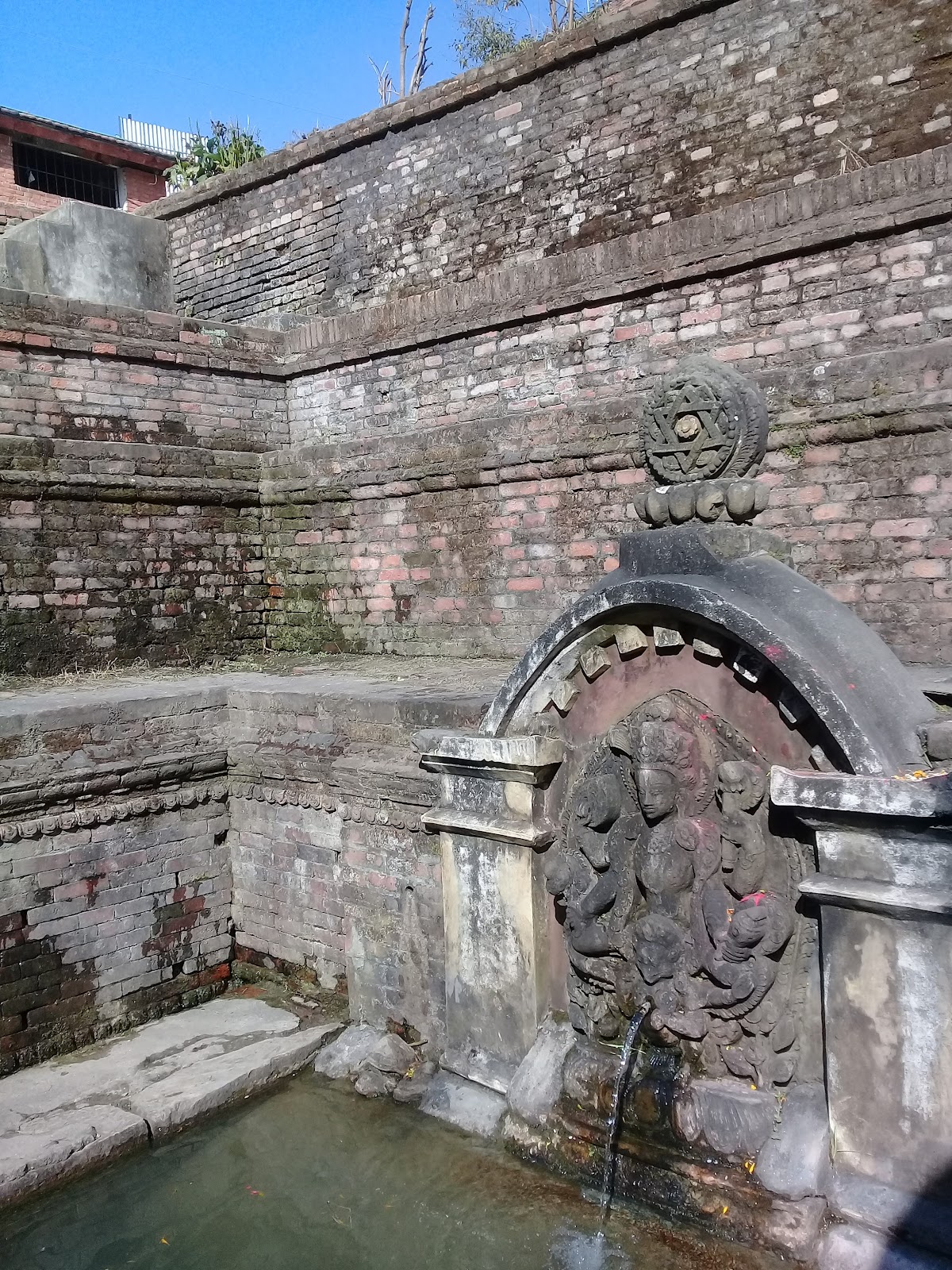
Bhaktapur, the renowned ancient city and third largest city in the Kathmandu Valley, stands as a living museum of Newari civilization and medieval architecture, offering visitors an unparalleled glimpse into Nepal's rich cultural heritage. This historic city, established as a municipality in 1992 and strategically located 15 kilometers east of Kathmandu at 1,401 meters elevation, maintains its traditional urban layout and stunning collection of temples, palaces, and heritage buildings that have earned it UNESCO World Heritage status in 1997. The city's famous Durbar Square showcases the magnificent Palace of Fifty-Five Windows and the ornate Nyatapola Temple, which have attracted scholars, photographers, and cultural enthusiasts from around the world for centuries. Bhaktapur's role as the capital of the powerful Malla dynasty in the 16th-17th centuries established its prominence, and its cultural influence continues to define Newari architecture and artistic traditions throughout the Kathmandu Valley.
The city has successfully preserved its authentic medieval character despite surrounding modernization, with narrow brick-paved streets, traditional wood-carved windows, and active courtyards where artisans continue centuries-old crafts including pottery, woodcarving, and textile production. Bhaktapur's pottery industry, centered in areas like Pottery Square, produces distinctive red earthenware using traditional techniques passed through generations. The city serves as an essential destination for tourists exploring the Kathmandu Valley UNESCO World Heritage Site, offering cultural immersion experiences alongside archaeological significance and artistic excellence. Local festivals celebrate the city's religious heritage, with Bisket Jatra marking the Nepali New Year in April with traditional music, processions, and communal festivities. For travelers seeking authentic encounters with Nepal's medieval history, architectural brilliance, and living cultural traditions, Bhaktapur represents an indispensable destination that bridges ancient heritage with contemporary creativity.
Frequently Asked Questions about Bhaktapur
What is the best time to visit Bhaktapur Nepal?
Autumn (September-November) and spring (March-May) are usually the best times to visit Bhaktapur, with clearer skies and comfortable temperatures.
What is the weather like in Bhaktapur?
Bhaktapur has seasonal weather patterns typical of Nepal. Expect clearer, drier conditions in autumn and winter, with warmer days and occasional rain during monsoon months.
What are the top attractions in Bhaktapur?
Bhaktapur offers a mix of cultural landmarks, local markets, and nearby nature spots. Popular activities include cultural walks, local food experiences, and day trips to nearby viewpoints.
How do I get to Bhaktapur Nepal?
Bhaktapur is accessible primarily by road (local buses, tourist buses, or private vehicles). Depending on your itinerary, you may also travel via nearby airports and then continue by road.
Where to stay in Bhaktapur Nepal?
Accommodation in Bhaktapur ranges from budget guesthouses to comfortable hotels. For convenience, stay near the city center or close to the places you plan to visit most.
Find Hotels in Bhaktapur
Discover the best accommodations in Bhaktapur. From luxury hotels to budget-friendly stays, find the perfect place for your visit.