Nepal City Spotlight
Itahari Nepal Travel Guide 2026 | Complete City Information
80,000 • Subtropical Climate
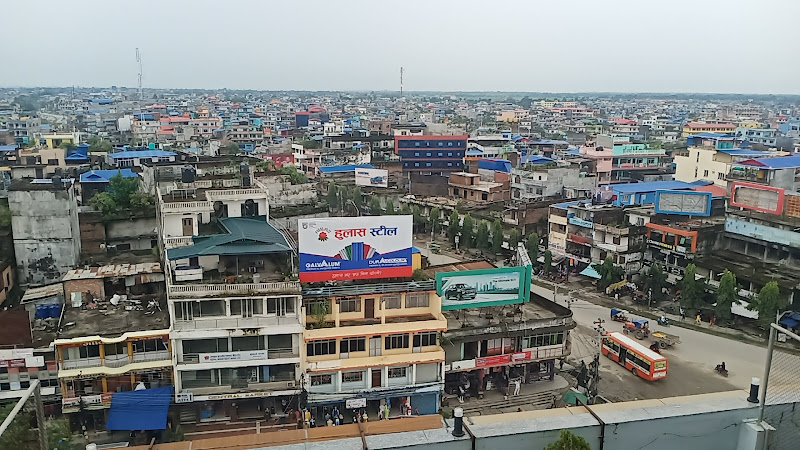
Explore Itahari Junction, Local Markets & more
Itahari, established as a municipality in 1997 and elevated to sub-metropolitan status in 2014, stands as one of Nepal's youngest yet most rapidly developing cities and serves as the second most populous urban center in eastern Nepal after Biratnagar. This remarkable transformation from a small agricultural crossroads to a major commercial powerhouse was catalyzed by the strategic construction of the East-West Highway in the 1970s, the devastating 1988 earthquake that drove thousands from nearby Dharan, and the Maoist insurgency that brought hill populations to the safer Terai plains. Today, with nearly 200,000 residents, Itahari has earned recognition as "The main transportation junction of Eastern Nepal," positioned at the crucial intersection of the Mahendra Highway and Koshi Highway, making it the primary distribution center for goods and people traveling between India, eastern Nepal's hills, and broader regional destinations.
The city offers visitors a fascinating blend of modern commercial development and rich cultural diversity, exemplified by attractions like the unique Taal Talaiya Sculpture Park featuring 55 contemporary international sculptures, the significant Pashupatinath Temple dedicated to Lord Shiva, and the scenic Koshi Barrage providing peaceful riverside experiences. Cultural enthusiasts can explore the harmonious coexistence of Madhesi, Pahadi, and indigenous traditions through vibrant festivals including Dashain, Tihar, Chhath, and local celebrations like Siruwa Mela, while nature lovers can visit Mechikali Pokhari natural pond, Budhikhola Ghat with its giant Shiva statue, or the refreshing Ocean Park water attraction that showcases the city's commitment to recreational development.
With its strategic location just 30km from the Jogbani India border (connecting to Kolkata seaport), excellent connectivity to Biratnagar and Bhadrapur airports, and status as an educational hub housing institutions like Itahari International College offering direct UK university degrees, the city perfectly balances accessibility with opportunity. As a member of the Climate & Clean Air Coalition actively addressing urban environmental challenges while supporting a growing entrepreneurial ecosystem, Itahari represents the successful evolution of Nepal's newest generation of planned urban centers that combine traditional cultural values with modern infrastructure and international connectivity.
Frequently Asked Questions about Itahari
What is the best time to visit Itahari Nepal?
Autumn (September-November) and spring (March-May) are usually the best times to visit Itahari, with clearer skies and comfortable temperatures.
What is the weather like in Itahari?
Itahari has seasonal weather patterns typical of Nepal. Expect clearer, drier conditions in autumn and winter, with warmer days and occasional rain during monsoon months.
What are the top attractions in Itahari?
Itahari offers a mix of cultural landmarks, local markets, and nearby nature spots. Popular activities include cultural walks, local food experiences, and day trips to nearby viewpoints.
How do I get to Itahari Nepal?
Itahari is accessible primarily by road (local buses, tourist buses, or private vehicles). Depending on your itinerary, you may also travel via nearby airports and then continue by road.
Where to stay in Itahari Nepal?
Accommodation in Itahari ranges from budget guesthouses to comfortable hotels. For convenience, stay near the city center or close to the places you plan to visit most.
Find Hotels in Itahari
Discover the best accommodations in Itahari. From luxury hotels to budget-friendly stays, find the perfect place for your visit.