Nepal City Spotlight
Dharan Nepal Travel Guide 2026 | Complete City Information
Eastern Gateway
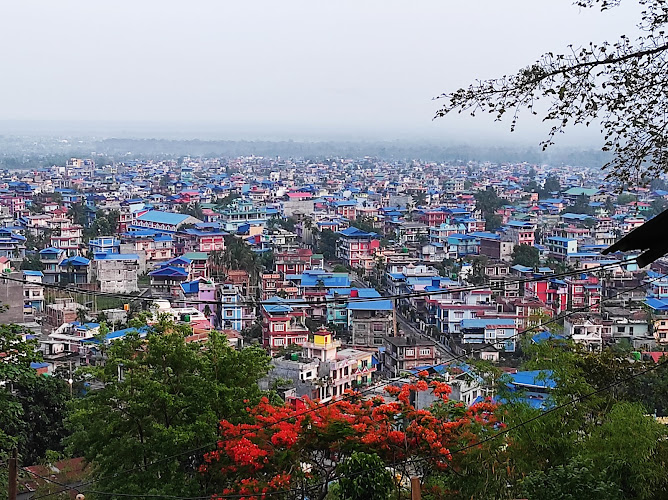
Eastern Gateway • Discover Nepal's cultural treasures
Dharan, established as Nepal's fourth municipality in 1958, stands as a city of remarkable historical significance and cultural diversity, serving as the third most populous urban center in eastern Nepal with over 173,000 residents. This storied city traces its modern foundation to 1902 when Prime Minister Chandra Shamsher established Chandranagar to supply timber to the East India Company, though its roots run much deeper as the former capital of the Morang Kingdom of Limbuwan from 1584 to 1774. The name "dharan," meaning "saw pit" in Nepali, reflects its historic role as a timber processing center, while its strategic location at 349 meters elevation in the foothills of the Mahabharat Range has made it a natural gateway between the Terai plains and eastern Nepal's mountainous regions, providing access to Kanchenjunga, Arun Valley, and Makalu-Varun National Park.
Renowned as the "Lahure City" due to its pivotal role as one of Nepal's two main British Gurkha recruitment centers since 1953, Dharan offers visitors a unique blend of military heritage, educational excellence, and remarkable ethnic diversity with significant populations of Rai (19.4%), Limbu (13.01%), Newar (11.1%), and other communities. The city houses the prestigious B.P. Koirala Institute of Health Sciences (BPKIHS), established in 1993 as an autonomous university offering 20+ programs recognized internationally and serving patients from across Nepal and India. Cultural and spiritual attractions include the sacred Dantakali Temple housing the believed teeth of Goddess Parvati, the ancient Pindeshwor Temple with its eternal flame attracting millions during Sharawan, and the scenic Namaste Falls, Raja Rani Lake, and Bhedetar hill station that showcase the region's natural beauty.
With its tropical climate, comprehensive road network connecting to major cities, and reputation as one of Nepal's cleanest cities developed through remarkable people's participation, Dharan perfectly balances historical significance with modern amenities and educational opportunities. The city's vibrant cultural calendar featuring indigenous Kirat festivals like Udhauli/Ubhauli, Limbu celebrations of Chasok Tangnam, and diverse community traditions creates an authentic multicultural experience, while its role as a regional healthcare and educational hub ensures excellent infrastructure for visitors exploring eastern Nepal's rich heritage and stunning Himalayan landscapes.
Frequently Asked Questions about Dharan
What is the best time to visit Dharan Nepal?
Autumn (September-November) and spring (March-May) are usually the best times to visit Dharan, with clearer skies and comfortable temperatures.
What is the weather like in Dharan?
Dharan has seasonal weather patterns typical of Nepal. Expect clearer, drier conditions in autumn and winter, with warmer days and occasional rain during monsoon months.
What are the top attractions in Dharan?
Dharan offers a mix of cultural landmarks, local markets, and nearby nature spots. Popular activities include cultural walks, local food experiences, and day trips to nearby viewpoints.
How do I get to Dharan Nepal?
Dharan is accessible primarily by road (local buses, tourist buses, or private vehicles). Depending on your itinerary, you may also travel via nearby airports and then continue by road.
Where to stay in Dharan Nepal?
Accommodation in Dharan ranges from budget guesthouses to comfortable hotels. For convenience, stay near the city center or close to the places you plan to visit most.
Find Hotels in Dharan
Discover the best accommodations in Dharan. From luxury hotels to budget-friendly stays, find the perfect place for your visit.