Nepal City Spotlight
Nuwakot Nepal Travel Guide 2025 | Complete City Information
Population data not available • Climate Climate
Explore Nuwakot Municipality, Local Markets & more
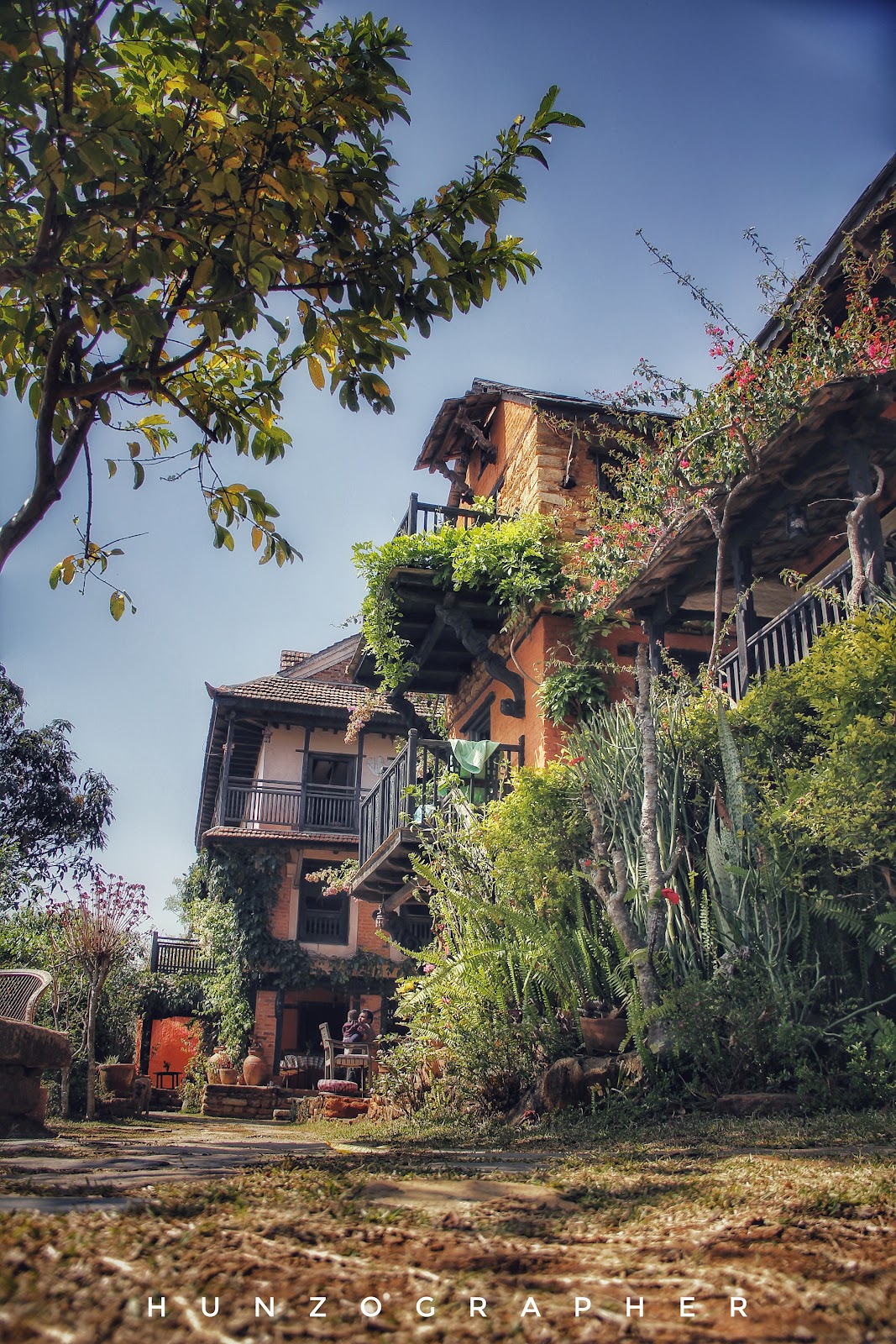
Nuwakot, the district headquarters of Nuwakot District in Bagmati Province, serves as an important administrative and commercial center situated strategically along the Trisuli River valley. The city is renowned for the magnificent Nuwakot Durbar (fortress), a seven-story fortified palace built in 1704 that dominates the landscape and represents one of Nepal's most impressive historical structures. This palace complex showcases exceptional Newari architectural craftsmanship and provides commanding views of the surrounding river valley, agricultural lands, and distant mountain ranges. Nuwakot's historical significance as a fortified settlement reflects its strategic importance in controlling trade routes and defending the Kathmandu Valley during medieval times. The Nuwakot Durbar has been preserved as a national monument and serves as a primary tourist attraction, offering insights into Nepal's feudal past and architectural heritage.
The municipality serves as a gateway to the scenic Trisuli River valley and the mountainous regions north of Kathmandu, making it an excellent base for trekking, rafting, and nature exploration activities. The surrounding landscape offers spectacular trekking routes connecting to high-altitude regions, including trails that branch toward Langtang National Park and remote mountain communities. Local markets provide access to traditional goods, fresh produce, and handicrafts produced by surrounding rural communities. The city's position along major transportation corridors connecting Kathmandu with the northern regions has established it as an important transit point and commercial center. For travelers interested in historical monuments, architectural heritage, and outdoor adventures in Nepal's mid-hill regions, Nuwakot offers an excellent combination of cultural attractions, natural beauty, and accessibility to some of Nepal's most scenic mountain landscapes.
Frequently Asked Questions about Nuwakot
What is the best time to visit Nuwakot Nepal?
The best time to visit Nuwakot is during October to March when the weather is clear and pleasant. Spring (March-May) offers beautiful weather and blooming flowers, while autumn (October-December) provides excellent mountain views and comfortable temperatures.
How do I get to Nuwakot Nepal?
Nuwakot is accessible by road and air. Regular bus services connect Nuwakot to major cities like Kathmandu and Pokhara. Domestic flights are also available from Tribhuvan International Airport. Local transportation includes taxis, rickshaws, and buses.
What are the top attractions in Nuwakot?
Nuwakot offers diverse attractions including historical sites, cultural landmarks, natural beauty spots, and local markets. Popular activities include temple visits, cultural tours, local cuisine experiences, and nature walks.
Where to stay in Nuwakot Nepal?
Nuwakot offers accommodation ranging from budget guesthouses to luxury hotels. Choose from heritage properties, boutique hotels, and modern resorts based on your preferences and budget. Book in advance during peak season.
Is Nuwakot safe for tourists?
Nuwakot is generally safe for tourists. Follow standard travel precautions, respect local customs, and stay informed about current conditions. The local community is welcoming and helpful to visitors.
Find Hotels in Nuwakot
Discover the best accommodations in Nuwakot. From luxury hotels to budget-friendly stays, find the perfect place for your visit.
Current Weather in Nuwakot
Find Hotels in Nuwakot
Discover the best accommodations in Nuwakot. From luxury hotels to budget-friendly stays, find the perfect place for your visit.
Browse All Hotels →Other Cities in Nepal

Bhadrapur
Bhadrapur, historically known as Chandragadhi, is one of Nepal's oldest municipalities (established in 1964) and stands as a fascinating cultural melting pot in Jhapa District, Koshi Pradesh. This strategic border city sits gracefully on the banks of the Mechi River, which forms a natural boundary between Nepal and India, connecting diverse communities from Nepal, India, Bhutan, and Bangladesh. Once a prosperous rice cultivation center in the early 1900s, Bhadrapur has transformed into Nepal's premier 'tea city,' housing some of the country's oldest tea gardens and first tea-processing factories that continue to drive its agricultural economy today. The city offers visitors a unique blend of historical significance, cultural diversity, and natural beauty, serving as both a gateway to eastern Nepal and a destination in its own right. The iconic Mechi Bridge connects two nations and serves as a symbol of cross-border friendship, while the peaceful riverside areas provide perfect spots for recreation and scenic walks. Adventure seekers can explore the nearby Kankai River for boating and fishing, visit the historic Bajra Tea Gardens for plantation tours, or use Bhadrapur Airport as their launching point to reach the majestic Himalayas just hours to the north. With its rich Kirati heritage dating back over a millennium, modern amenities including zonal hospitals and educational institutions, and proximity to both mountain adventures and cultural experiences, Bhadrapur offers travelers an authentic taste of Nepal's diverse eastern region. The city seamlessly blends ancient traditions with contemporary development, making it an ideal base for exploring eastern Nepal's cultural treasures while enjoying the warm hospitality of its multicultural community.
Learn More
Siddharthanagar
Siddharthanagar, historically known as Bhairahawa and renamed in 1976 to honor Siddhartha (Lord Buddha's birth name), stands as Nepal's most significant spiritual gateway and the administrative headquarters of Rupandehi District in Lumbini Province. Located 265 km west of Kathmandu, this sacred city serves as the primary entry point to Lumbini, UNESCO World Heritage Site and birthplace of Gautama Buddha, situated just 18 km away. The city's rich history spans dynasties from the Mauryas and Guptas to the Mallas, and its strategic location has made it Nepal's second-largest trading center after Birgunj, facilitating crucial economic and cultural exchanges between Nepal and northern India. The crown jewel of Siddharthanagar is Gautam Buddha International Airport, Nepal's second international airport inaugurated in May 2022, featuring world-class infrastructure with a 3000-meter runway and modern terminal facilities capable of handling large international aircraft. This cutting-edge aviation hub, combined with the city's proximity to the sacred Buddhist sites, has transformed Siddharthanagar into a premier destination for international pilgrims and tourists. Visitors can embark on spiritual journeys to the Maya Devi Temple and World Peace Pagoda, explore vibrant local markets reflecting the unique Terai culture, or use the city as a launching point for deeper exploration of Nepal's western regions. The city seamlessly blends ancient spiritual heritage with modern amenities, offering comfortable international-standard accommodations and authentic local cuisine that captures the essence of Nepal's diverse cultural tapestry.
Learn More
Bharatpur
Bharatpur, Nepal's rapidly growing third-largest city with 369,377 inhabitants (2021 census), stands as a vibrant metropolis and the district headquarters of Chitwan in south-central Nepal, strategically positioned as the essential gateway to one of the world's most celebrated wildlife destinations. This modern urban center has evolved from a small settlement into a major transportation and commercial hub, serving as the primary access point to Chitwan National Park, a UNESCO World Heritage Site renowned for its Bengal tigers, one-horned rhinoceros, and extraordinary biodiversity. The city's strategic location along the East-West Highway and the presence of Bharatpur Airport, which offers regular domestic flights to Kathmandu and other major cities, has established it as a crucial nexus for both domestic and international tourism, while its proximity to the Indian border has fostered significant cross-border trade and cultural exchange. Beyond its role as a wildlife tourism gateway, Bharatpur has distinguished itself as a medical tourism destination of national significance, anchored by the prestigious Bharatpur Hospital and College of Medical Sciences, which attracts patients and medical professionals from across Nepal and neighboring countries. The city offers visitors an exceptional blend of urban sophistication and natural adventure, where modern amenities including international-standard hotels, diverse restaurants, and contemporary shopping centers coexist with traditional Tharu villages and pristine natural landscapes. The meandering Narayani River provides opportunities for scenic boat rides and white-water rafting, while the Tharu Cultural Museum offers insights into the indigenous heritage of the Terai region, showcasing traditional architecture, crafts, and customs that have been preserved for generations. Bharatpur's unique position allows travelers to experience the full spectrum of Nepal's diversity within a single destination—from thrilling elephant-back safaris and jungle walks in search of tigers and rhinoceros, to cultural immersion in authentic Tharu villages where traditional stick dances and community festivals bring ancient traditions to life. The city serves as the perfect base for exploring the greater Chitwan ecosystem, offering everything from luxury eco-lodges with panoramic jungle views to budget-friendly accommodations, while its medical facilities, educational institutions, and growing technology sector demonstrate Nepal's modernization efforts in harmony with environmental conservation and cultural preservation.
Learn More
Biratnagar
Biratnagar, Nepal's second-largest city with approximately 250,000 inhabitants, stands proudly as the economic powerhouse and industrial capital of Koshi Pradesh (formerly Province No. 1) in southeastern Nepal. This dynamic metropolis, situated at just 72 meters above sea level in the fertile Terai plains, has evolved from a modest settlement into the country's premier industrial hub, earning its reputation as the heartland of Nepal's manufacturing sector. The city's strategic location near the Indian border, combined with excellent transportation networks including the vital East-West Highway and Biratnagar Airport offering regular domestic flights, has made it an essential gateway for trade between Nepal, India, and beyond, while its rich alluvial soil and favorable climate have fostered thriving jute mills, tea gardens, and diverse agricultural processing industries that form the backbone of eastern Nepal's economy. The industrial heritage of Biratnagar tells the story of Nepal's modernization, where historic jute mills and textile factories—some dating back to the British colonial era—continue to operate alongside modern manufacturing facilities, creating a fascinating blend of traditional and contemporary industrial architecture. The nearby Koshi Tappu Wildlife Reserve, a RAMSAR wetland site of international importance, offers visitors world-class bird watching opportunities with over 485 recorded species, including endangered Bengal floricans and Sarus cranes, while the impressive Koshi Barrage serves as both an engineering marvel and a scenic spot where the mighty Koshi River demonstrates its power and beauty. The city's markets buzz with activity, offering everything from local handicrafts and traditional Maithili textiles to fresh tea from nearby plantations and authentic street food that reflects the rich cultural diversity of the region. Biratnagar's unique character lies in its ability to balance rapid industrial growth with cultural preservation and environmental consciousness, where modern shopping malls, international hotels, and business centers coexist with traditional neighborhoods that maintain centuries-old customs and festivals. Visitors can explore the city's industrial heritage through guided tours of historic mills, experience the warmth of Maithili hospitality in local homes, enjoy fresh river fish specialties along the Koshi River, or venture into the surrounding countryside to witness traditional farming practices and rural life that continues to thrive despite the city's urban expansion. The city serves as an ideal base for exploring eastern Nepal's diverse attractions, from the wildlife wonders of Koshi Tappu to the cultural richness of traditional villages, all while providing the comfort and conveniences of Nepal's most economically vibrant urban center.
Learn More
Butwal
Butwal Sub-Metropolitan City, with 195,054 inhabitants (2021 census), stands as one of Nepal's most strategically important economic powerhouses and the primary gateway connecting western Nepal to the broader national and international markets. Located at the crucial intersection of Nepal's two major national highways—the Mahendra Highway and Siddhartha Highway—this dynamic city in Lumbini Province has evolved from its medieval origins as Khasauli, a trading post established by Khas kings, into a modern industrial and commercial hub that played a pivotal role in Nepal's history during the Anglo-Nepalese War of 1814-16, particularly the famous Battle of Jitgadi Fort. Today, Butwal boasts an impressive GDP of approximately US$1 billion (2018), making it one of Nepal's wealthiest cities and a testament to successful urban development that seamlessly blends historical significance with contemporary progress. The city's economic foundation rests on the Butwal Industrial Estate, established in 1975 as one of Nepal's premier industrial districts, spanning 43 hectares and housing over 75 operating industries that provide direct employment to approximately 8,000 workers while supporting an estimated 20,000 indirect jobs across manufacturing, trade, and services sectors. Butwal's strategic location enables it to serve as the central distribution point for Nepal's second-largest vegetable market, Butwal Sabji Mandi, while offering excellent connectivity to Indian border crossings at Sunauli, the hilly towns of Tansen and Pokhara, and direct access to Gautam Buddha International Airport at nearby Siddharthanagar. This exceptional infrastructure has transformed Butwal into Nepal's fastest-growing urban center for healthcare, education, construction, communication, banking, and tourism services. Visitors to Butwal experience a unique blend of historical significance and modern convenience, where the city's role as a traditional meeting point between Nepal's hill people and Indian plain communities continues today through vibrant markets, cultural exchanges, and religious diversity. The famous Butwal Suspension Bridge serves as both an engineering marvel and a symbol of connectivity, while the city's proximity to Lumbini (birthplace of Buddha), Chitwan National Park, and the scenic hill stations makes it an ideal base for exploring Nepal's western treasures. Whether experiencing local festivals that reflect the rich cultural tapestry of the Terai region, sampling authentic cuisine that combines hill and plain traditions, or conducting business in one of Nepal's most economically vibrant environments, Butwal offers travelers and investors an authentic glimpse into Nepal's successful modernization story while maintaining its warm, welcoming community spirit.
Learn More
Baglung
Baglung, the district headquarters of Baglung District in Gandaki Province, represents an important administrative and commercial center in western Nepal's mid-hill regions. Located at approximately 800 meters elevation in a strategic position commanding views of surrounding valleys and the distant mountains, Baglung serves as a local hub for government services and regional commerce. The district is known for its agricultural productivity and scenic landscape, making it an attractive destination for trekkers and nature enthusiasts exploring western Nepal's beautiful hill regions. Baglung's position along major transportation routes has established it as an important market center for agricultural products and traditional goods from surrounding rural communities. The municipality combines administrative functions with commercial activity, providing government services, markets, and business opportunities for surrounding communities. The surrounding landscape features agricultural terraces, forests, and scenic viewpoints offering natural beauty and trekking opportunities. Local culture reflects the diverse ethnic composition of the district, with Gurung, Magar, and Brahmin communities maintaining distinct traditions, cuisines, and artistic practices. The city serves as a gateway to exploring Baglung's agricultural heritage, cultural diversity, and outdoor recreation opportunities. For visitors interested in mid-hill experiences, authentic rural-urban interactions, and western Nepal's cultural richness, Baglung provides excellent access to traditional community life while maintaining convenient connections to broader regional commerce and government services.
Learn MoreRelated Destinations in Nepal
Seasonal Travel Guide
Weather & Best Time
Winter brings cool temperatures (5-15°C) with clear skies and snow-capped peaks. Perfect for mountain views but cold at higher altitudes.
Best Activities:
- Mountain viewing
- Cultural experiences
- Spa and hot springs
- Photography of snow peaks
- Indoor cultural activities
Travel Tips
- Visit during December-February for snow-capped views
- Pack warm clothing for cold temperatures
- Book hotels with heating facilities
- Plan for shorter daylight hours
Packing Suggestions:
- Warm winter clothing
- Thermal layers
- Warm hat and gloves
- Sturdy winter boots
- Hot water bottle
Quick Facts
Best time: Autumn (Sep-Nov)
Duration: 1-3 days
Difficulty: Easy
Cost: Budget-friendly