Nepal City Spotlight
Nepalgunj Nepal Travel Guide 2026 | Complete City Information
Nepal Travel Destination
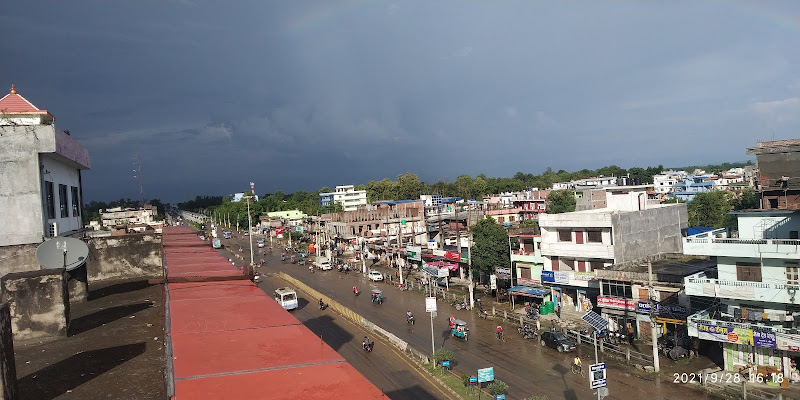
Discover this authentic Nepal destination
Nepalgunj, also spelled Nepalganj, stands as one of Nepal's most significant commercial and administrative hubs, serving as a Sub-Metropolitan City in Banke District and the vital gateway to Nepal's mid-western region. Strategically positioned on the fertile Terai plains just 16 km south of Kohalpur and maintaining a crucial border with Bahraich district in Uttar Pradesh, India, this dynamic city of 73,779 inhabitants (2011 census) has experienced remarkable transformation since the 1950s, evolving from a modest settlement during the British Raj into one of Nepal's major urban centers and trading capitals. The city's exceptional religious and cultural diversity, with 70% Hindu, 27.8% Muslim, 1.1% Buddhist, and other faith communities living harmoniously together, creates a unique multicultural tapestry that reflects Nepal's pluralistic society while fostering cross-border understanding and cooperation with neighboring Indian communities.
The economic backbone of Nepalgunj rests on its strategic position as a major trading hub facilitating extensive imports and exports between Nepal and India, supported by bustling markets, shopping centers, and over 30 operational industries that drive the region's manufacturing sector. The city's transportation infrastructure centers around Nepalgunj Airport (also known as Mahendra Airport or Ranjha Airport), Nepal's fourth-largest airport by land area, which has served since 1961 as the essential gateway for pilgrims traveling to Mount Kailash in Tibet via the Simikot-Hilsa route, while providing crucial connectivity to remote western districts including Humla, Dolpa, Jumla, Mugu, and Rukum. Currently undergoing major redevelopment to achieve world-class standards by 2025, the airport symbolizes Nepalgunj's growing importance as a regional hub.
Nepalgunj's rich agricultural foundation, supported by the fertile Terai plains that produce rice, wheat, sugarcane, maize, and vegetables, combines with its vibrant commercial sector and unrestricted cross-border movement for Nepalese and Indian nationals to create a thriving economic ecosystem that serves both local communities and international trade networks. Visitors to Nepalgunj experience a genuine multicultural environment where diverse faiths and traditions coexist peacefully, while the city's role as a trading point for people from neighboring hilly districts and its position as an administrative center demonstrate its continued importance in Nepal's development strategy for integrating remote western regions with national and international markets.
Frequently Asked Questions about Nepalgunj
What is the best time to visit Nepalgunj Nepal?
Autumn (September-November) and spring (March-May) are usually the best times to visit Nepalgunj, with clearer skies and comfortable temperatures.
What is the weather like in Nepalgunj?
Nepalgunj has seasonal weather patterns typical of Nepal. Expect clearer, drier conditions in autumn and winter, with warmer days and occasional rain during monsoon months.
What are the top attractions in Nepalgunj?
Nepalgunj offers a mix of cultural landmarks, local markets, and nearby nature spots. Popular activities include cultural walks, local food experiences, and day trips to nearby viewpoints.
How do I get to Nepalgunj Nepal?
Nepalgunj is accessible primarily by road (local buses, tourist buses, or private vehicles). Depending on your itinerary, you may also travel via nearby airports and then continue by road.
Where to stay in Nepalgunj Nepal?
Accommodation in Nepalgunj ranges from budget guesthouses to comfortable hotels. For convenience, stay near the city center or close to the places you plan to visit most.
Find Hotels in Nepalgunj
Discover the best accommodations in Nepalgunj. From luxury hotels to budget-friendly stays, find the perfect place for your visit.