Nepal City Spotlight
Parbat Nepal Travel Guide 2026 | Complete City Information
Population data not available • Climate Climate
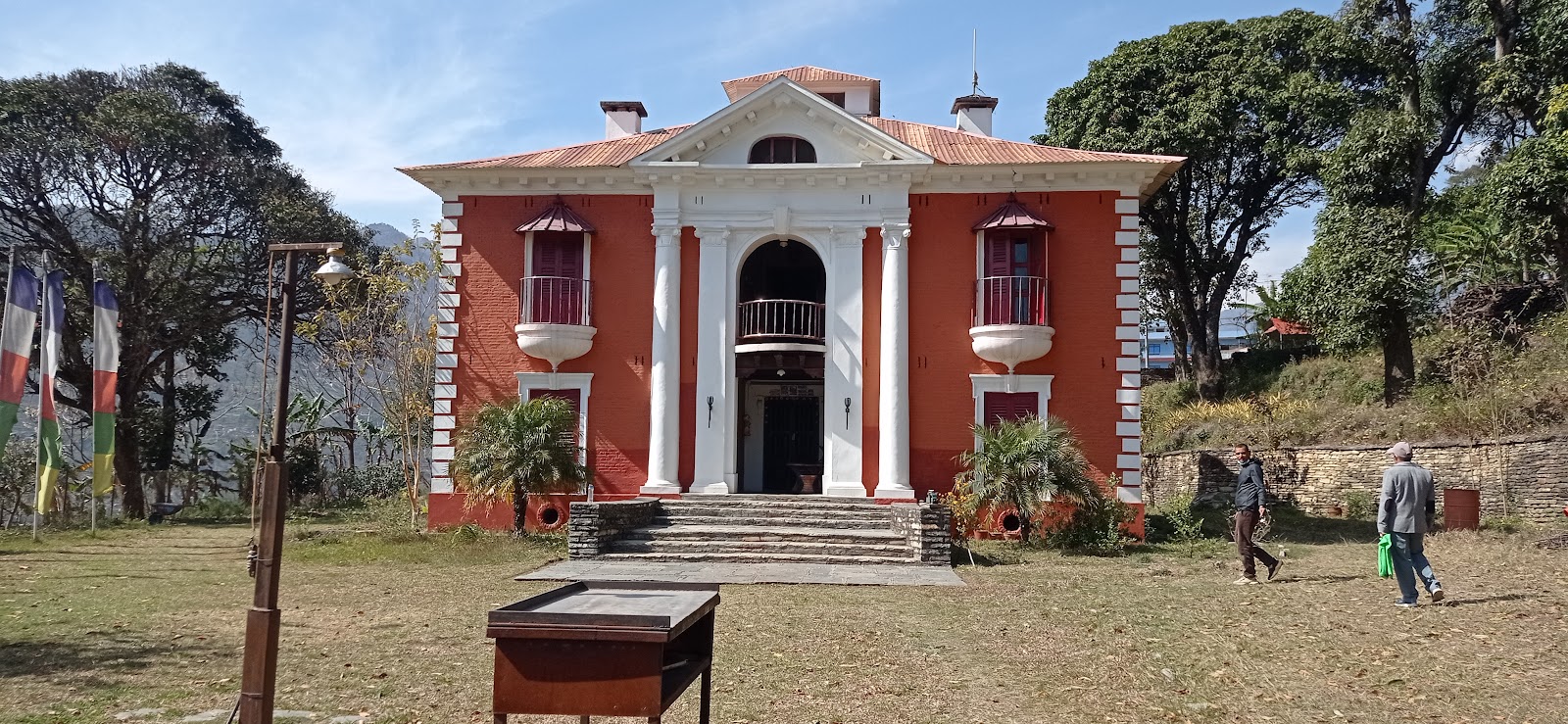
Explore Parbat Municipality, Local Markets & more
Parbat, the district headquarters of Parbat District in Gandaki Province, represents an important mid-hill settlement balancing agricultural productivity with growing tourism infrastructure. Located at approximately 800 meters elevation in a strategic position between the Kali Gandaki River valley and higher mountain terrain, Parbat serves as both a local administrative center and a gateway to trekking routes and mountain communities. The district has historically been known for fruit cultivation, particularly apples and other cold-climate crops, which have established its reputation as an agricultural center and economic contributor to the broader Gandaki region. Parbat's expanding road infrastructure and tourism facilities have transformed it into an increasingly accessible destination for trekkers and nature enthusiasts exploring Nepal's mid-hill regions.
The municipality offers visitors an excellent balance of cultural authenticity, natural beauty, and accessibility, featuring local markets showcasing agricultural products, handicrafts, and traditional goods produced by surrounding communities. The surrounding landscapes provide scenic trekking opportunities and access to rural villages where traditional farming practices and agricultural expertise continue to sustain local livelihoods. Natural attractions include waterfalls, forests, and agricultural terraces that demonstrate the productivity and beauty of Nepal's mid-hill zones. The local population represents diverse ethnic communities including Gurung, Magar, and Chhetri groups, each contributing distinct cultural traditions, cuisines, and artistic practices. For travelers interested in agricultural heritage, mid-hill trekking, and experiences of rural mountain life, Parbat provides genuine access to the farming practices and natural beauty that have made Nepal's hill regions attractive destinations for sustainable and culturally responsible tourism.
Frequently Asked Questions about Parbat
What is the best time to visit Parbat Nepal?
Autumn (September-November) and spring (March-May) are usually the best times to visit Parbat, with clearer skies and comfortable temperatures.
What is the weather like in Parbat?
Parbat has seasonal weather patterns typical of Nepal. Expect clearer, drier conditions in autumn and winter, with warmer days and occasional rain during monsoon months.
What are the top attractions in Parbat?
Parbat offers a mix of cultural landmarks, local markets, and nearby nature spots. Popular activities include cultural walks, local food experiences, and day trips to nearby viewpoints.
How do I get to Parbat Nepal?
Parbat is accessible primarily by road (local buses, tourist buses, or private vehicles). Depending on your itinerary, you may also travel via nearby airports and then continue by road.
Where to stay in Parbat Nepal?
Accommodation in Parbat ranges from budget guesthouses to comfortable hotels. For convenience, stay near the city center or close to the places you plan to visit most.
Find Hotels in Parbat
Discover the best accommodations in Parbat. From luxury hotels to budget-friendly stays, find the perfect place for your visit.