Nepal City Spotlight
Gaur Nepal Travel Guide 2026 | Complete City Information
35,000 • Subtropical Climate
Explore Gaur Municipality, Border Park & more
Gaur, a historic town in Rautahat District of Madhesh Province, holds a distinguished place in Nepal's history as a former capital city that once ruled over vast territories in the Terai region and beyond. This ancient settlement, located at 85 meters above sea level in the fertile plains near the Nepal-India border, has witnessed centuries of cultural evolution, political transformations, and economic development that shaped the region's identity. With a population of approximately 35,000 residents, Gaur maintains its character as a culturally rich town where traditional Madhesi and Bhojpuri-speaking communities preserve their heritage while adapting to modern Nepal.
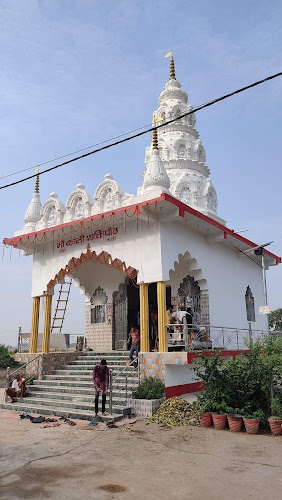
The town's historical legacy is evidenced by archaeological remains scattered throughout the area, including ancient fort structures, traditional temples, and architectural elements that reflect the grandeur of its past as a regional power center. Gaur's markets continue to thrive as important trading points where agricultural products from surrounding villages meet urban demand, creating vibrant commercial spaces where traditional business practices coexist with modern retail. The Border Park provides recreational facilities for locals and visitors alike, offering peaceful green spaces in the urban environment, while scenic river views showcase the natural beauty that characterizes the Terai landscape.
What makes Gaur particularly appealing to visitors is its authentic cultural atmosphere - the town remains relatively untouched by mass tourism, allowing travelers to experience genuine Terai life, sample traditional Bhojpuri cuisine, observe local festivals and customs, and interact with communities whose way of life has remained largely unchanged for generations. The town serves as an excellent base for exploring traditional villages in the surrounding countryside, where visitors can witness rural agricultural practices, traditional crafts, and cultural heritage sites that provide insights into Nepal's diverse Madhesi culture. Whether you're a history enthusiast interested in Nepal's medieval kingdoms, a cultural explorer seeking authentic Terai experiences, or a traveler wanting to understand the diversity of Nepalese society beyond the mountains, Gaur offers valuable perspectives on the rich cultural heritage of Nepal's southern plains.
Frequently Asked Questions about Gaur
What is the best time to visit Gaur Nepal?
Autumn (September-November) and spring (March-May) are usually the best times to visit Gaur, with clearer skies and comfortable temperatures.
What is the weather like in Gaur?
Gaur has seasonal weather patterns typical of Nepal. Expect clearer, drier conditions in autumn and winter, with warmer days and occasional rain during monsoon months.
What are the top attractions in Gaur?
Gaur offers a mix of cultural landmarks, local markets, and nearby nature spots. Popular activities include cultural walks, local food experiences, and day trips to nearby viewpoints.
How do I get to Gaur Nepal?
Gaur is accessible primarily by road (local buses, tourist buses, or private vehicles). Depending on your itinerary, you may also travel via nearby airports and then continue by road.
Where to stay in Gaur Nepal?
Accommodation in Gaur ranges from budget guesthouses to comfortable hotels. For convenience, stay near the city center or close to the places you plan to visit most.
Find Hotels in Gaur
Discover the best accommodations in Gaur. From luxury hotels to budget-friendly stays, find the perfect place for your visit.