Professional photography for bold creators.
Premium locations. Expert guidance. Captured in Nepal.
OVERVIEW
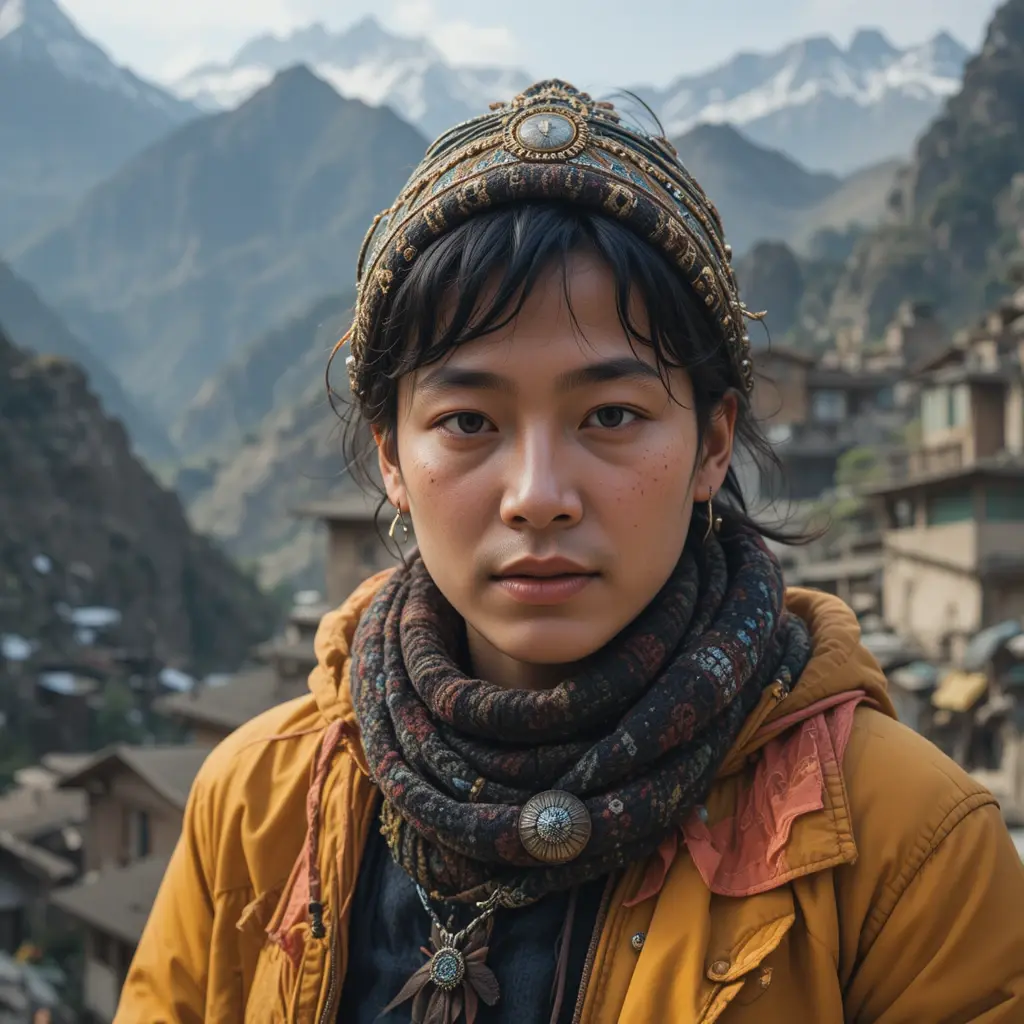
Nepal is a photographer's paradise, offering an incredible diversity of subjects from the world's highest mountains to ancient temples, vibrant festivals, and diverse wildlife. Whether you're capturing sunrise over the Himalayas, documenting traditional cultures, or photographing rare wildlife, Nepal provides endless opportunities for stunning imagery. The country's dramatic landscapes, rich cultural heritage, and warm golden light make it one of the world's premier photography destinations.
CAPTURE THE MOMENT
Professional photography opportunities designed for creators who demand excellence. Every frame tells a story—make yours unforgettable.
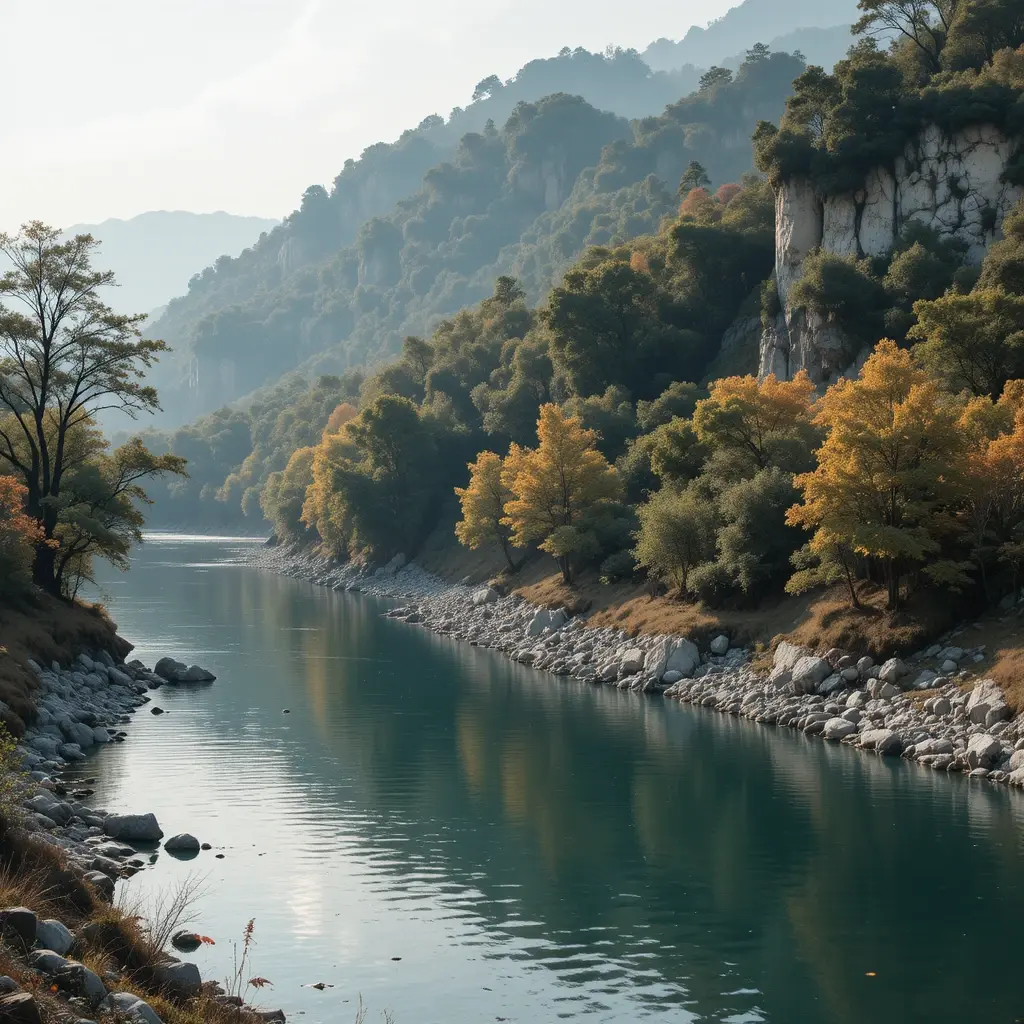
Featured Subjects
Photographer's Choice
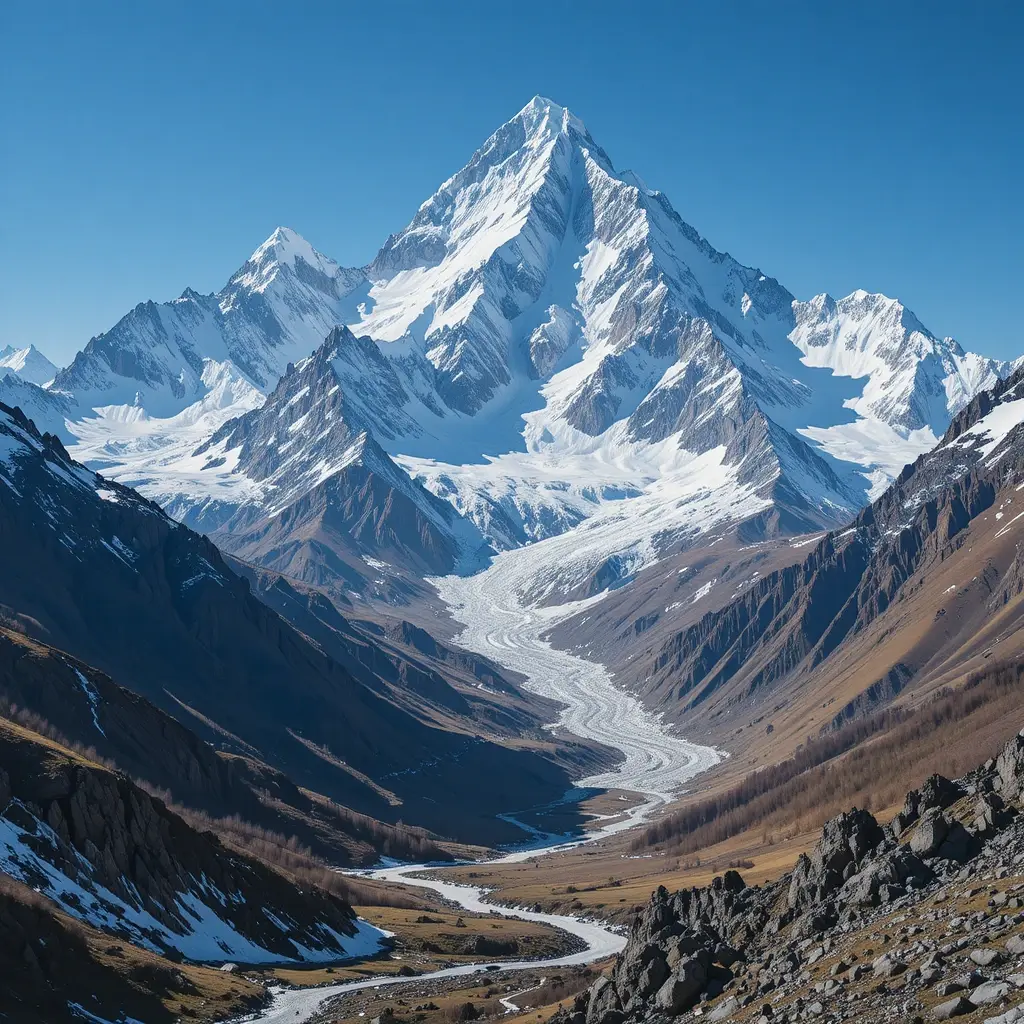
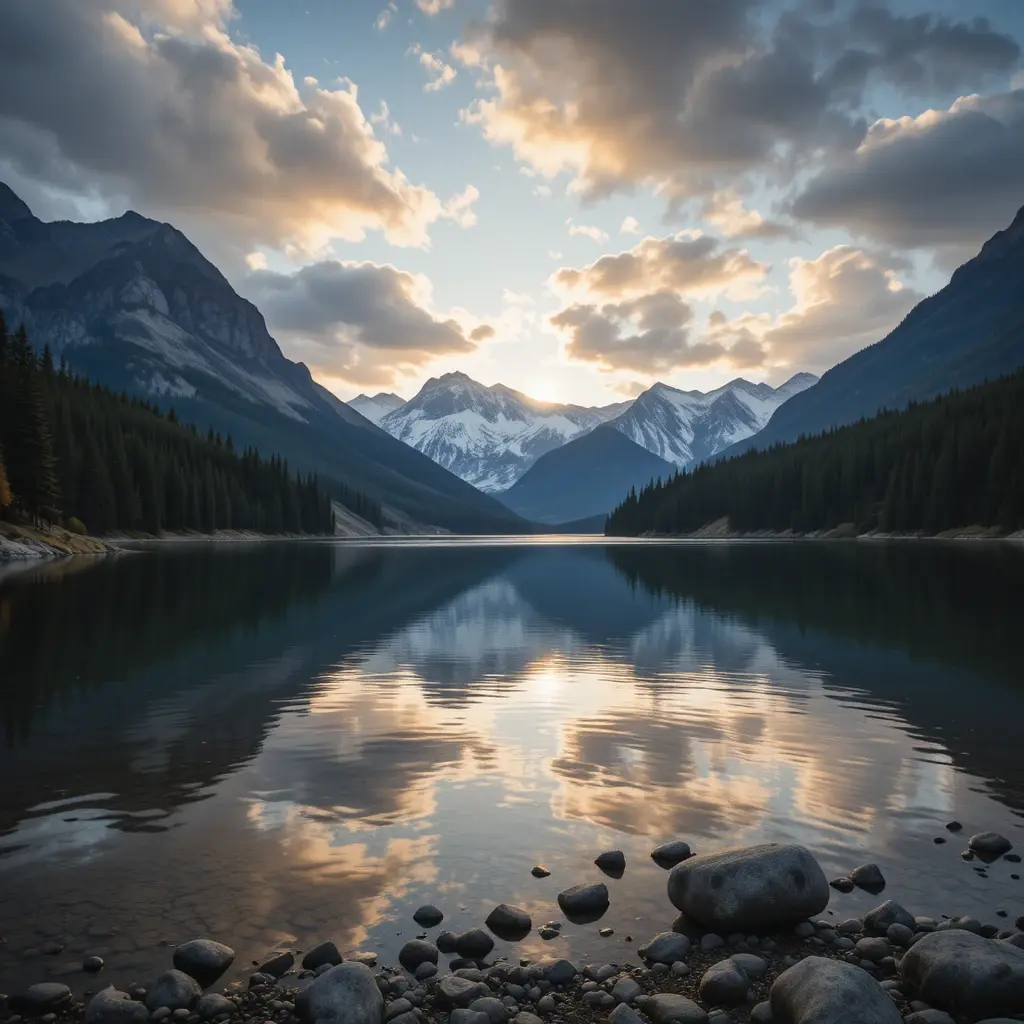
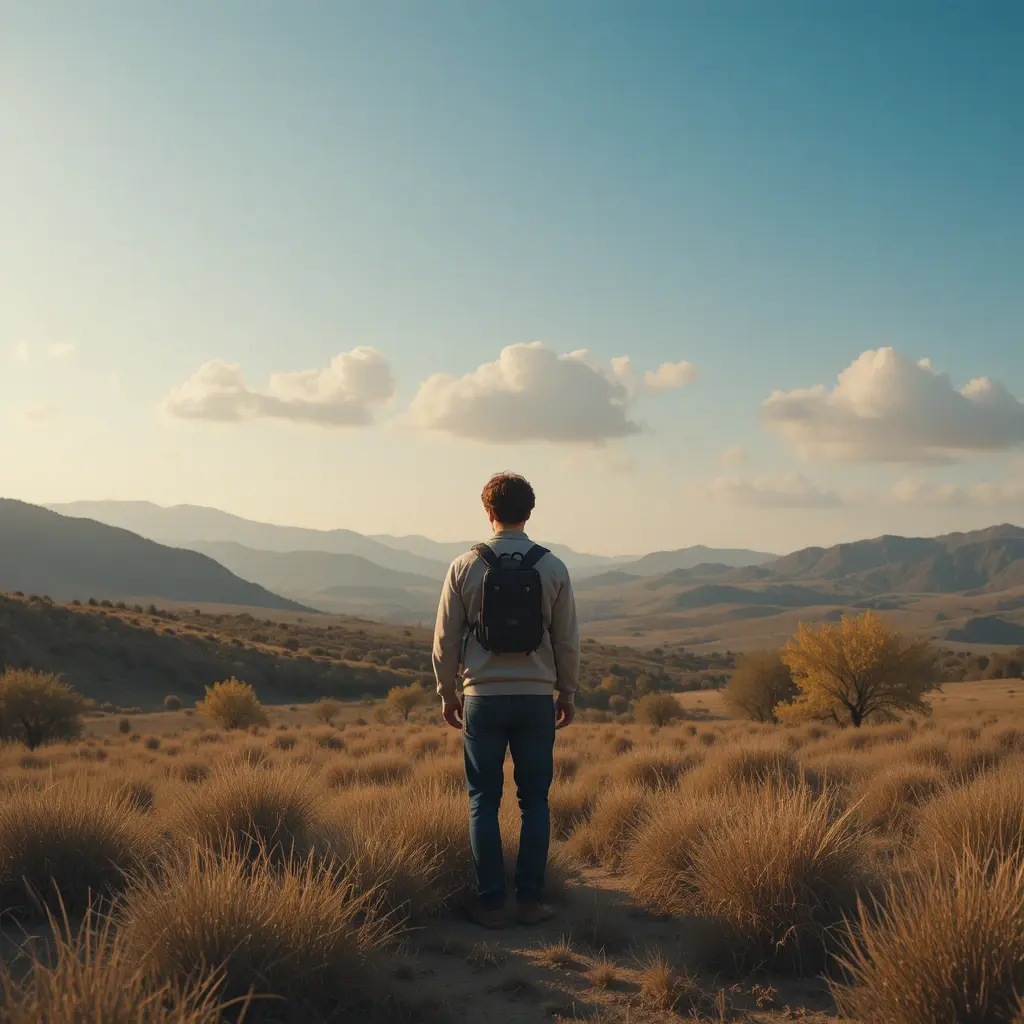
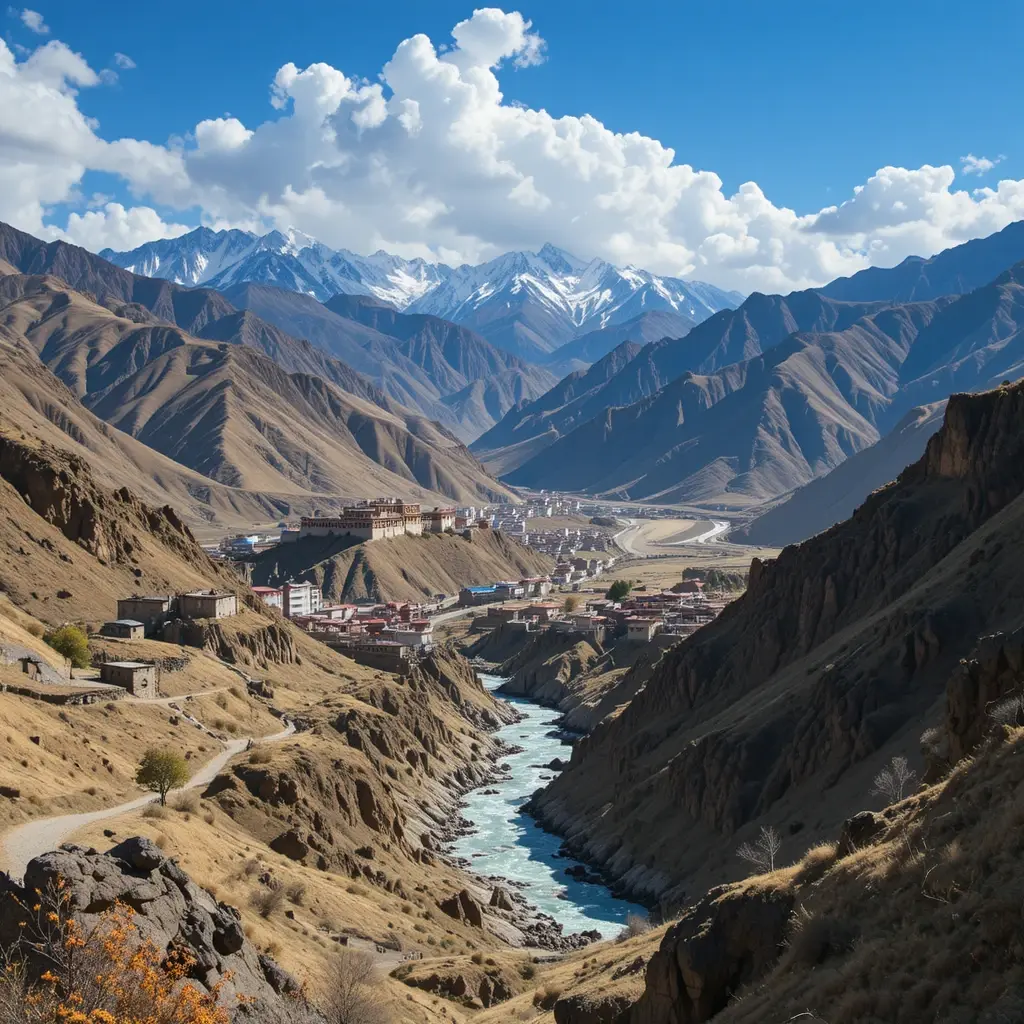
Mountain & Landscape Photography
Capture the majestic Himalayas, dramatic valleys, and stunning natural landscapes
October-December: Clear skies, golden hour light, minimal haze
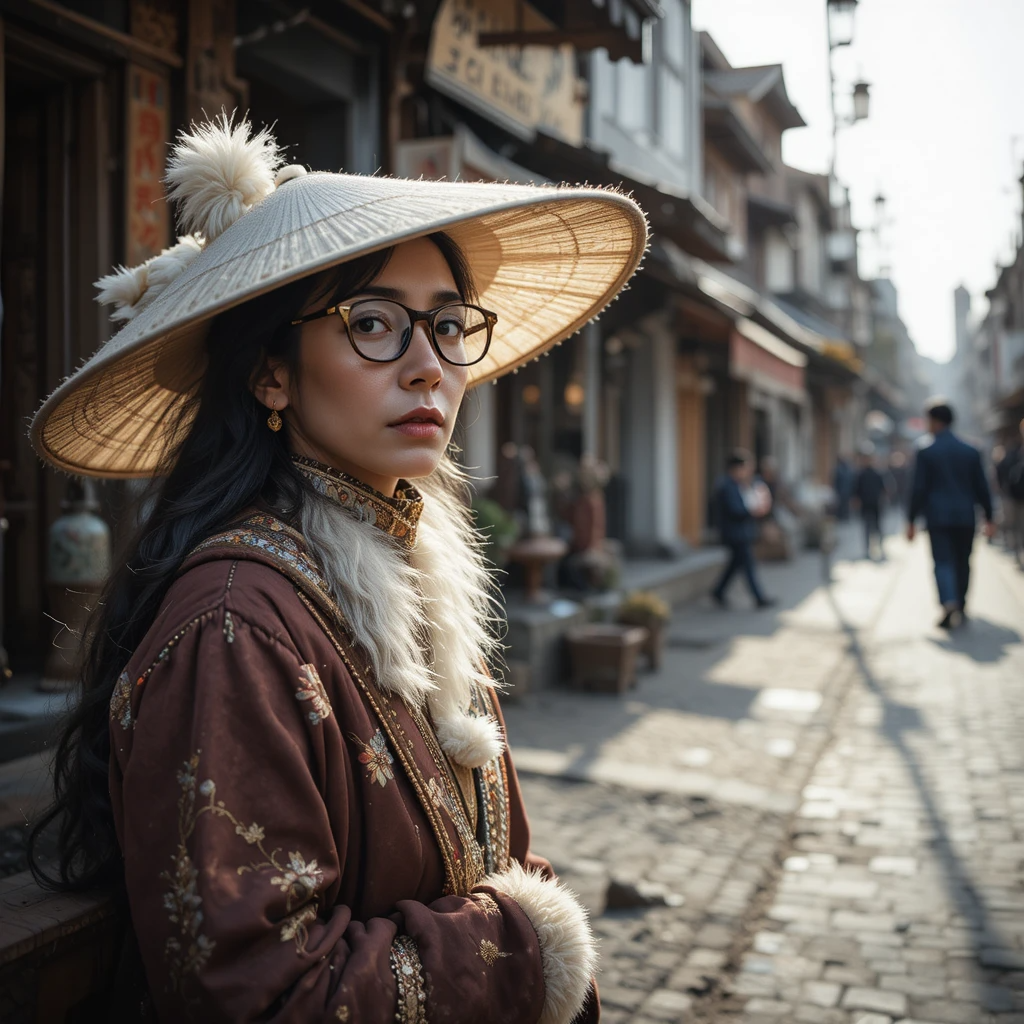
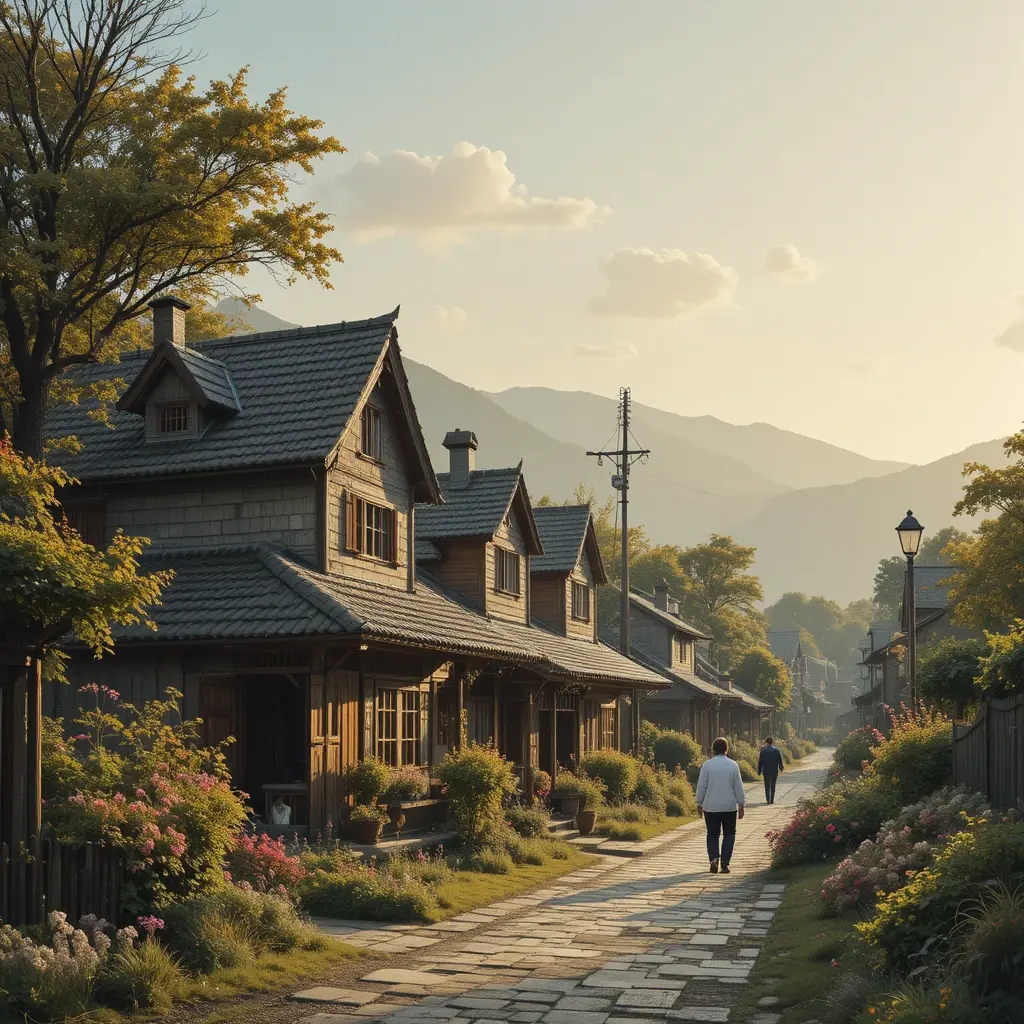
Cultural & Street Photography
Document traditional Nepali life, festivals, architecture, and daily scenes
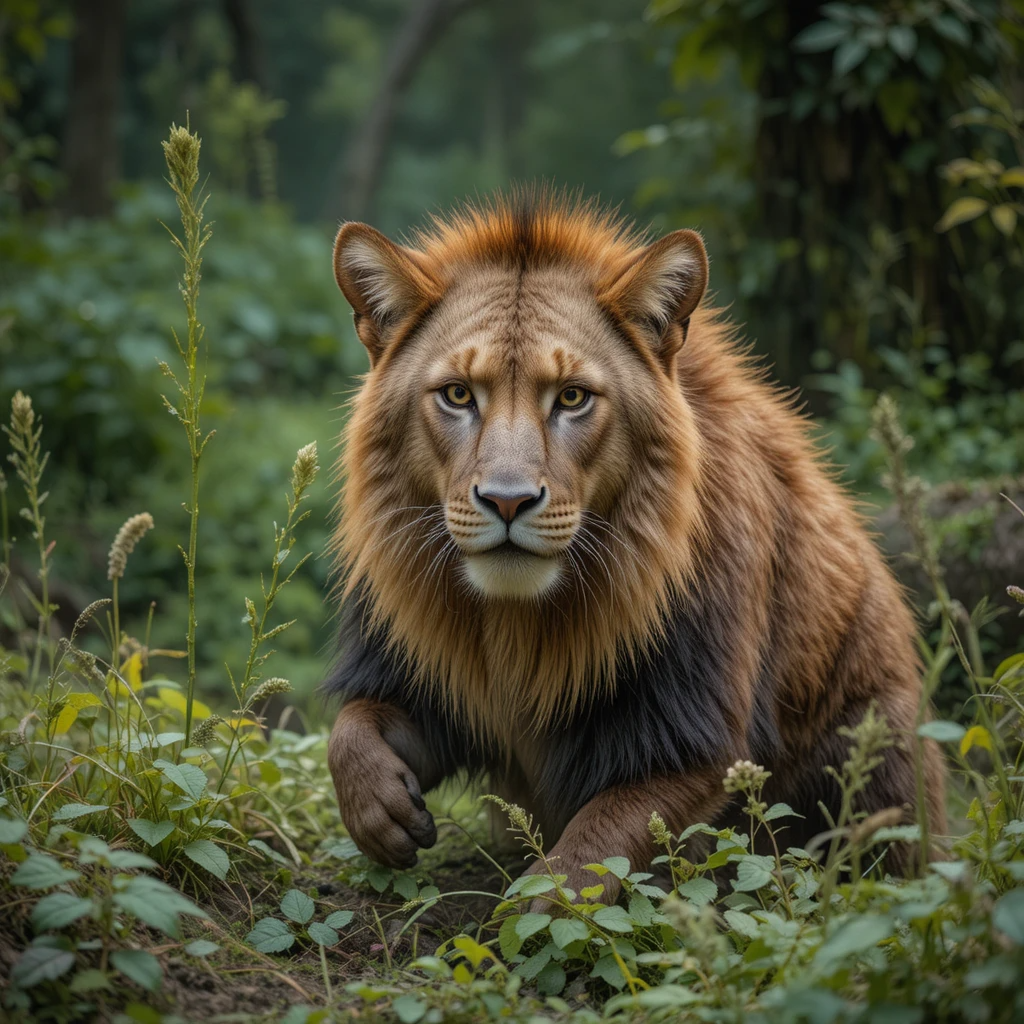
Wildlife Photography
Photograph Nepal's diverse wildlife including tigers, rhinos, birds, and more
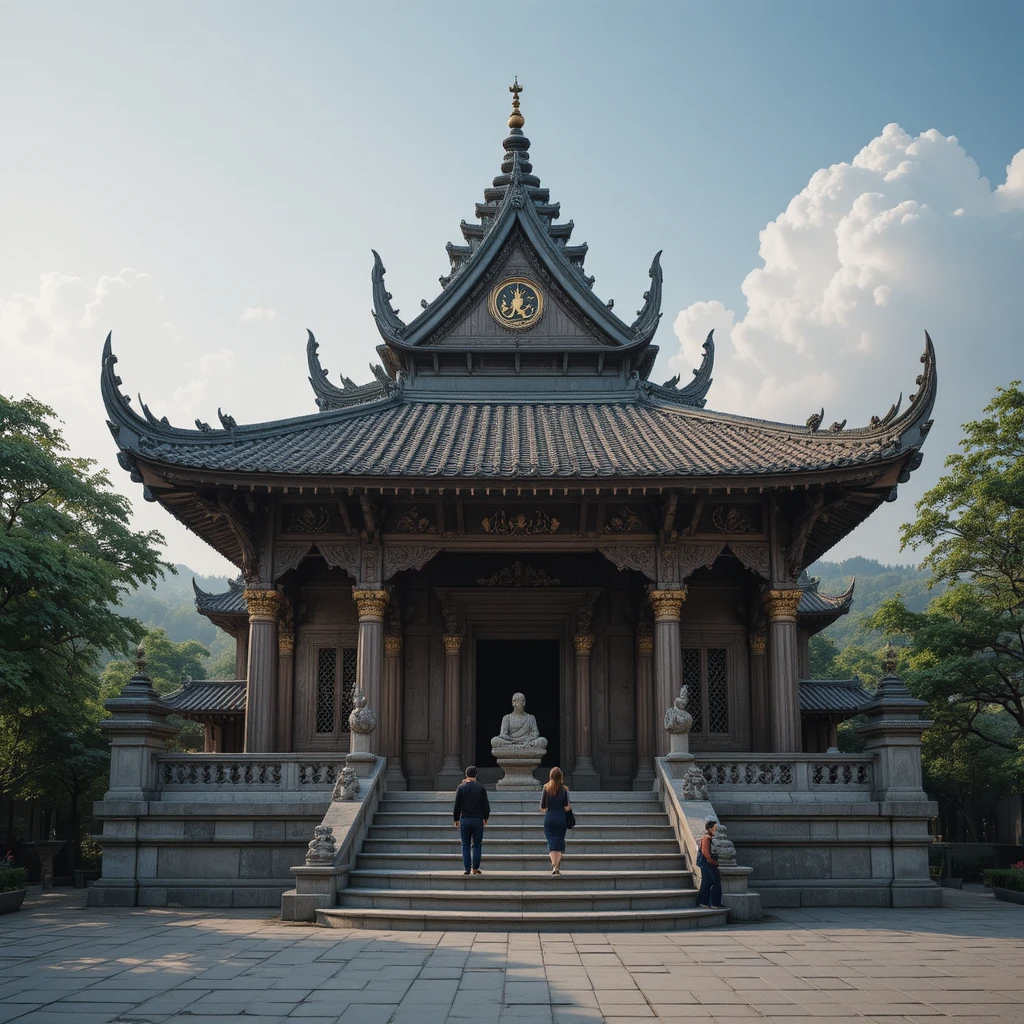
Temple & Architecture Photography
Document Nepal's ancient temples, stupas, and traditional architecture
BEST LOCATIONS
Discover Nepal's premier photography destinations, each offering unique opportunities for stunning imagery.
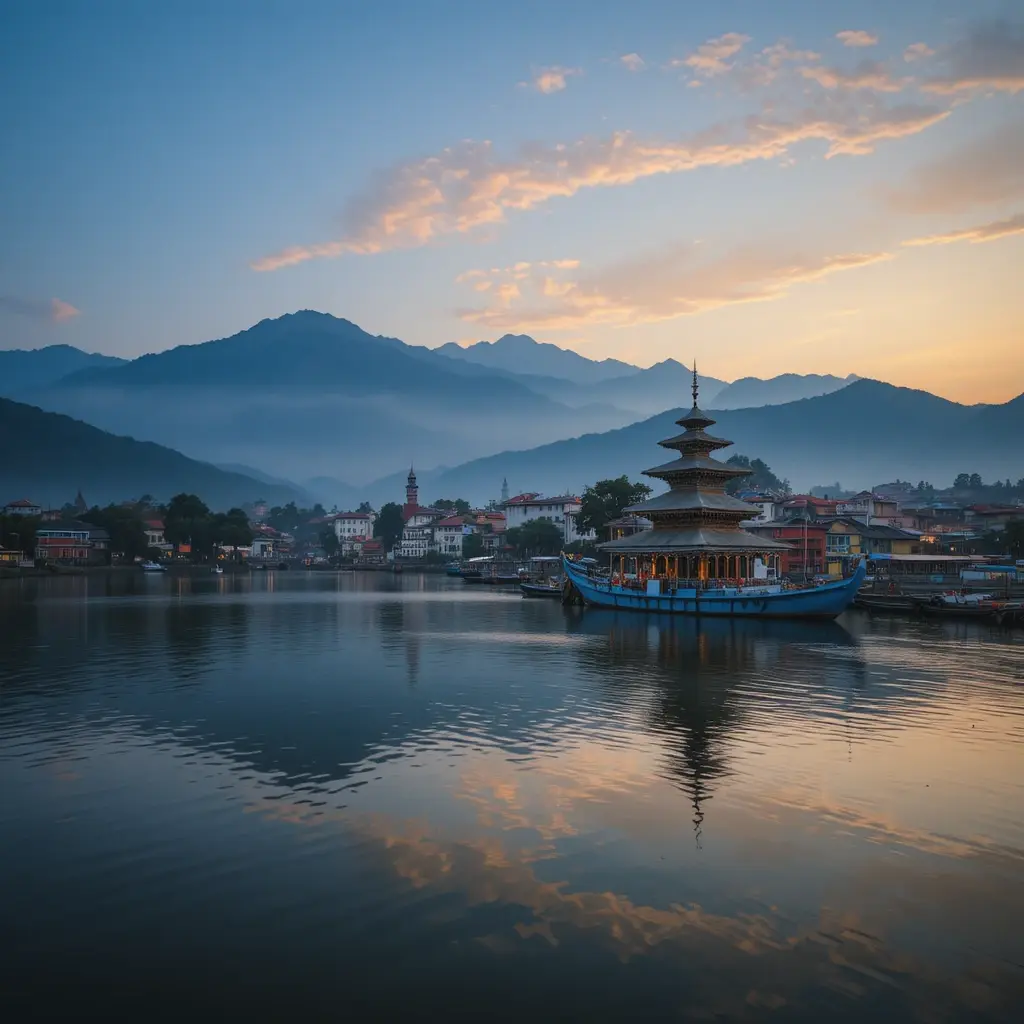
Pokhara
- Annapurna range views
- Phewa Lake reflections
- Paragliding action
Easy - 6 hours from Kathmandu
Everest Region
- World's highest peaks
- Sherpa culture
- Mountain panoramas
Moderate - flight to Lukla, then trekking
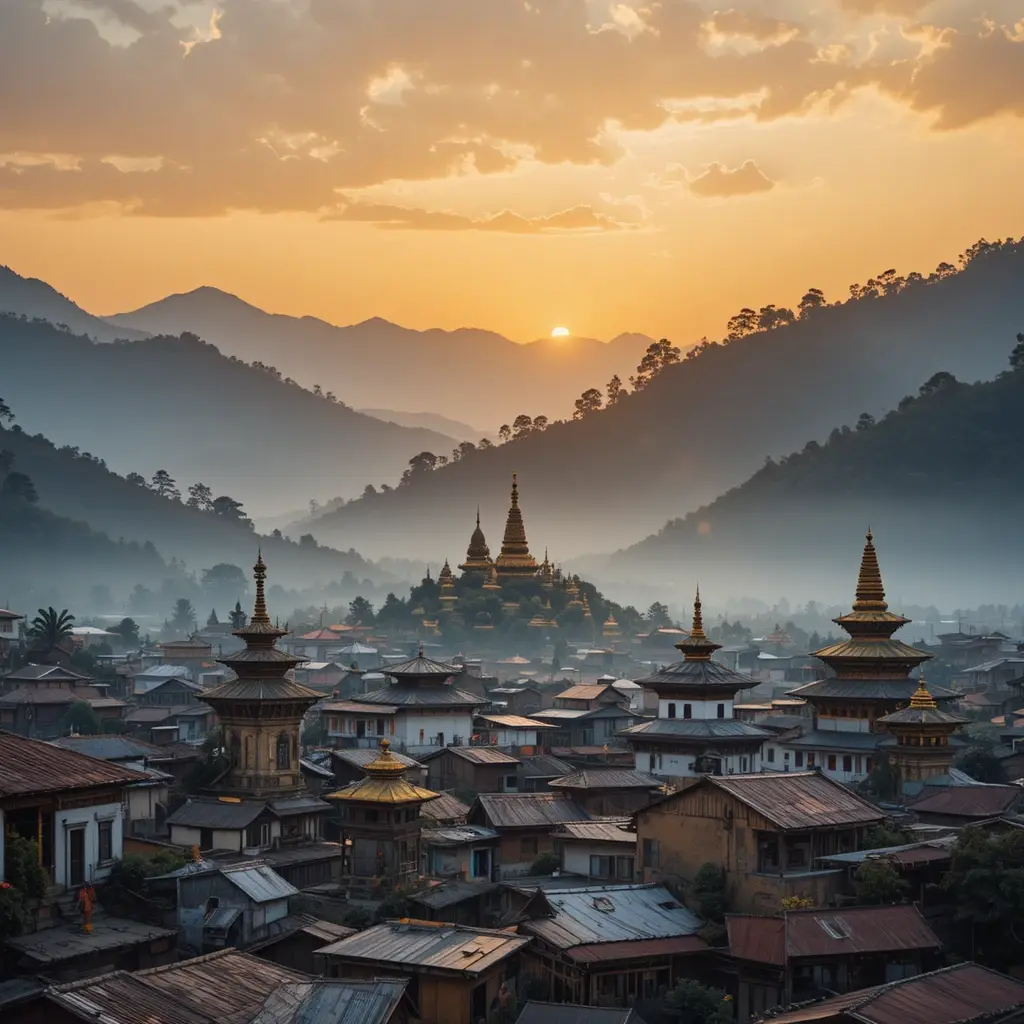
Kathmandu Valley
- UNESCO World Heritage sites
- Street scenes
- Festivals
Easy - all locations within city
Chitwan National Park
- Wildlife encounters
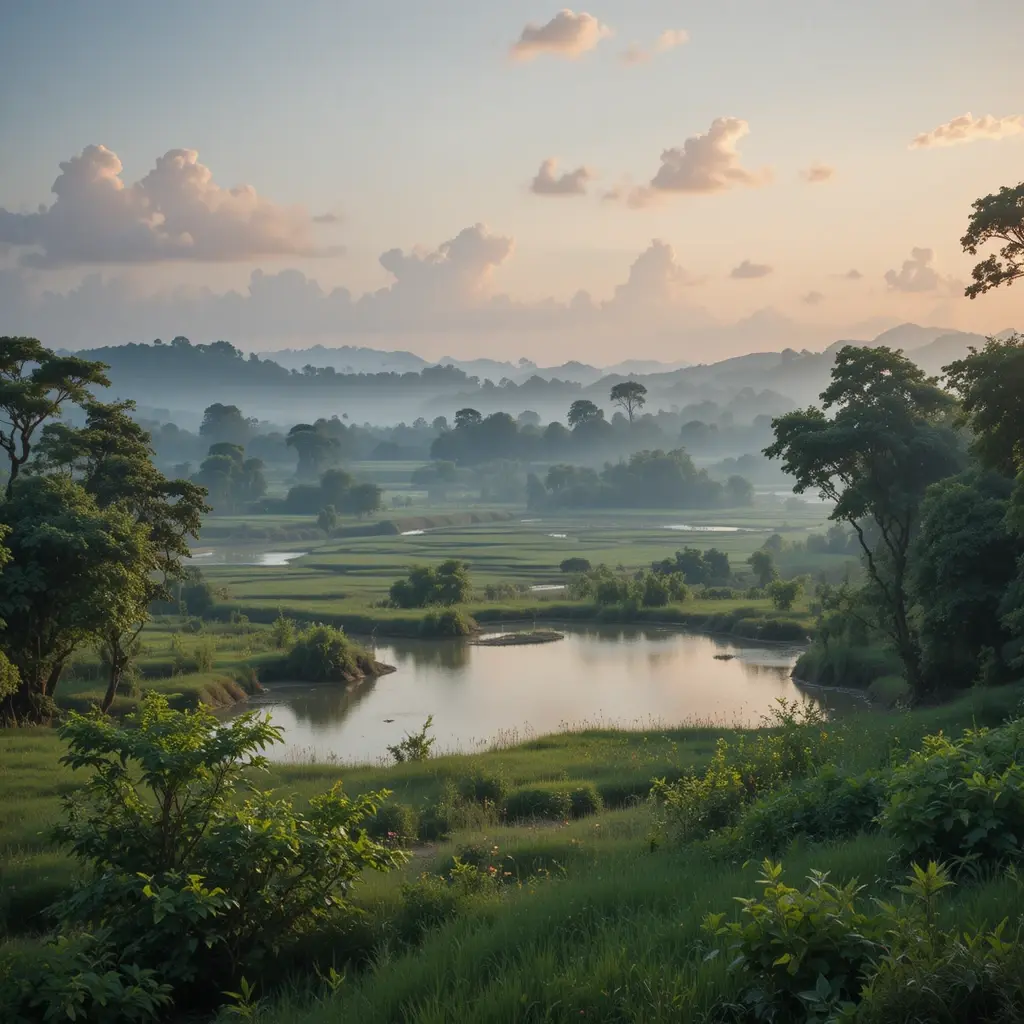
- Jungle landscapes
- Bird species
Easy - 5 hours from Kathmandu
Mustang
- Tibetan culture
- Desert landscapes
- Ancient caves
Moderate - flight to Jomsom, then trekking
ESSENTIAL EQUIPMENT
essential
- Camera body (DSLR or mirrorless)
- Wide-angle lens (14-24mm or 16-35mm)
- Telephoto lens (70-200mm or 100-400mm)
- Extra batteries and memory cards
- Sturdy tripod
- Lens cleaning kit
- Camera rain cover
recommended
- Polarizing filter
- ND filters for long exposures
- Fast prime lens (35mm or 50mm f/1.4-1.8)
- Backup camera body
- External hard drive for backups
- Portable power bank
for Wildlife
- Telephoto lens 200mm+ (ideally 400-600mm)
- Fast shutter speed capability
- Bean bag or gimbal head
- Camouflage or neutral clothing
for Astro
- Fast wide-angle lens (f/2.8 or faster)
- Remote shutter release
- Headlamp with red light mode
- Warm clothing for night shoots
PROFESSIONAL TIPS
general
- Respect local customs and ask permission before photographing people
- Carry extra batteries - cold at altitude drains batteries faster
- Protect equipment from dust, moisture, and temperature changes
- Backup photos daily - use cloud storage or external drives
- Learn basic Nepali phrases to connect with subjects
- Be patient - best shots often come from waiting and observing
lighting
- Golden hour (6-8AM, 4-6PM) provides best natural light
- Blue hour (before sunrise, after sunset) for cityscapes
- Overcast days are great for portraits and detail shots
- Avoid harsh midday sun for portraits
- Use reflectors or fill flash for portraits in bright conditions
composition
- Include people for scale in landscape shots
- Use leading lines (paths, rivers, prayer flags)
- Frame with natural elements (trees, archways, windows)
- Capture details and patterns (carvings, textiles, architecture)
- Tell a story with your images - show context and environment
cultural
- Always ask permission for portraits - a smile and 'photo?' goes far
- Respect religious sites - no photography in some areas
- Remove shoes when entering temples
- Don't use flash in temples or during ceremonies
- Support local communities - consider hiring local guides
- Share photos with subjects when possible
BEST TIMES TO VISIT
autumn
October-November: Best overall conditions - clear skies, excellent light, comfortable temperatures, festivals
winter
December-February: Crisp air, clear mountain views, cold mornings but good light, fewer tourists
spring
March-May: Warmer weather, rhododendron blooms, pre-monsoon clarity, good for all subjects
monsoon
June-September: Challenging but unique - dramatic clouds, lush greenery, fewer tourists, cultural festivals
PHOTOGRAPHY WORKSHOPS
Photography tours and workshops available from operators like Photo Tours Nepal, Himalayan Photo Tours, and local guides
FREQUENTLY ASKED QUESTIONS
What is the best time for photography in Nepal?
October to December offers the best overall conditions with clear skies, excellent light quality, comfortable temperatures, and major festivals. March to May is also excellent with warmer weather and blooming rhododendrons.
Do I need special permits for photography in Nepal?
Most locations don't require permits. However, some restricted areas like Upper Mustang, certain monasteries, and some national park zones may require permits. Always check with local authorities or your guide.
Is it safe to carry expensive camera equipment in Nepal?
Yes, Nepal is generally safe for photographers. Use common sense: keep equipment in secure bags, don't leave gear unattended, insure your equipment, and consider using less conspicuous camera bags in crowded areas.
What should I photograph in Nepal?
Nepal offers incredible diversity: mountain landscapes (Everest, Annapurna), cultural sites (temples, festivals, daily life), wildlife (tigers, rhinos, birds), and adventure activities (trekking, paragliding). Focus on what interests you most, but don't miss the unique cultural and natural heritage.
JOIN THE COMMUNITY
Professional photography opportunities in Nepal. Expert guidance, premium locations, and unforgettable experiences.