Curating the Culture.
Experience the heart of Nepal through ancient temples, vibrant festivals, and living traditions that have endured for millennia.
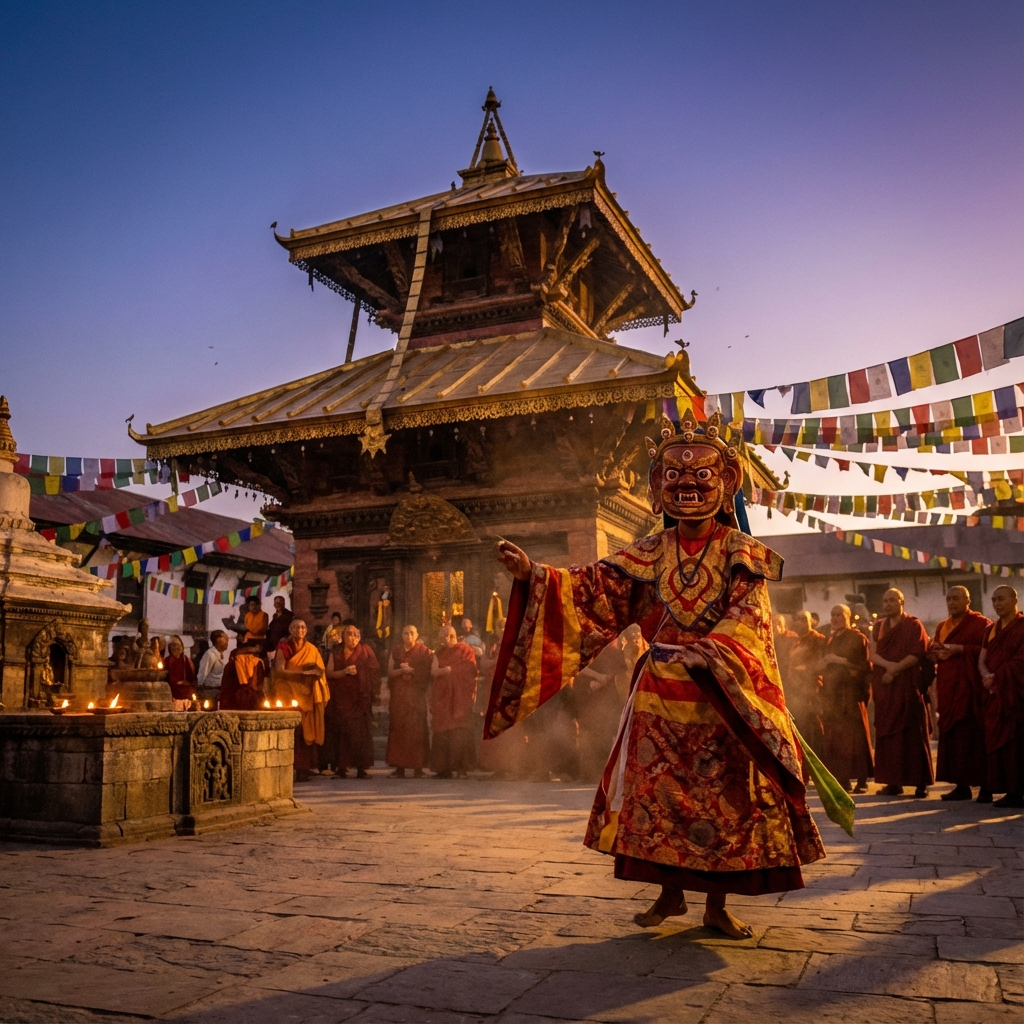
Experience traditions unchanged for centuries
DISCOVER NEPAL'S SOUL
Nepal is a living museum of ancient cultures, where Hindu and Buddhist traditions interweave with indigenous practices to create a unique cultural tapestry. From the UNESCO World Heritage sites of the Kathmandu Valley to remote mountain monasteries, Nepal offers unparalleled opportunities to experience living traditions. Witness colorful festivals, explore thousand-year-old temples, learn traditional crafts from master artisans, and immerse yourself in the warm hospitality that defines Nepali culture.
IMMERSIVE EXPERIENCES
From ancient temple rituals to hands-on craft workshops, discover authentic ways to connect with Nepal's cultural heritage.
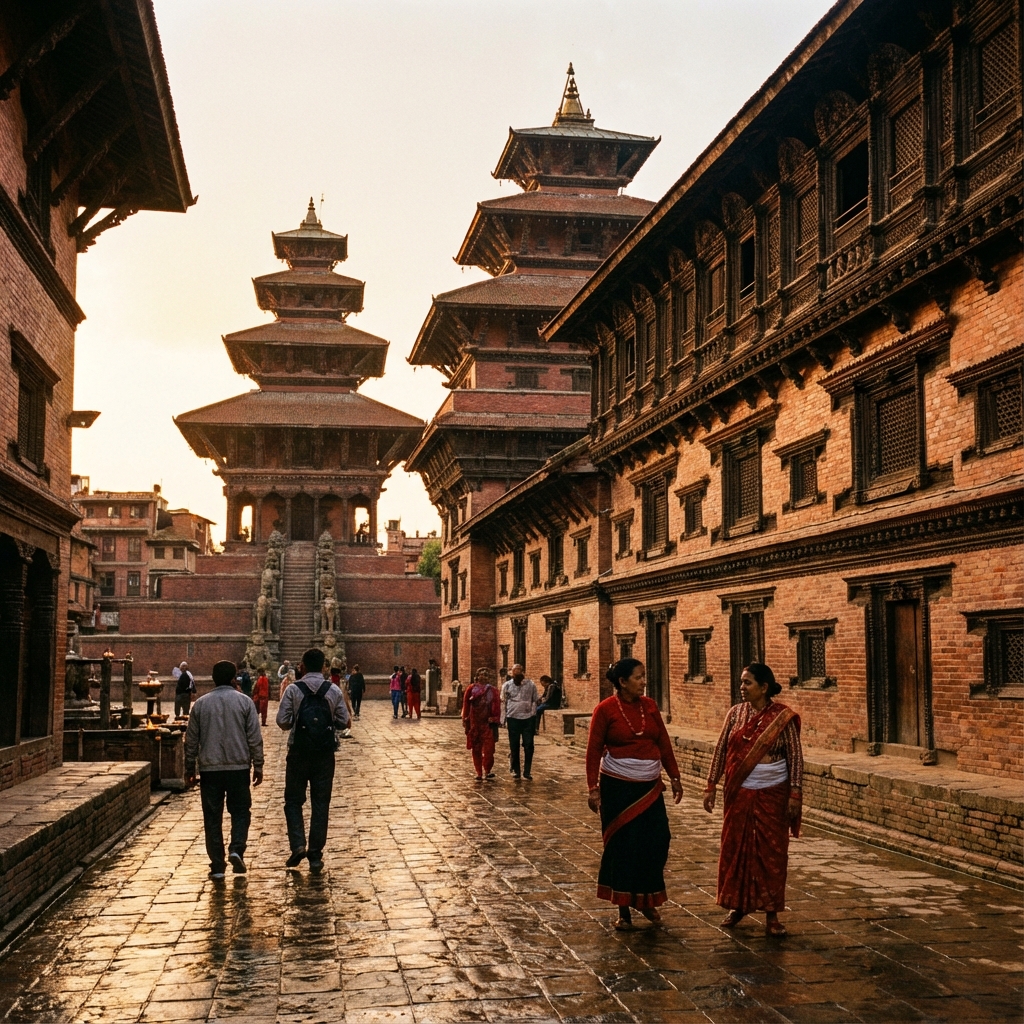
Featured Experiences
Authentic cultural journeys
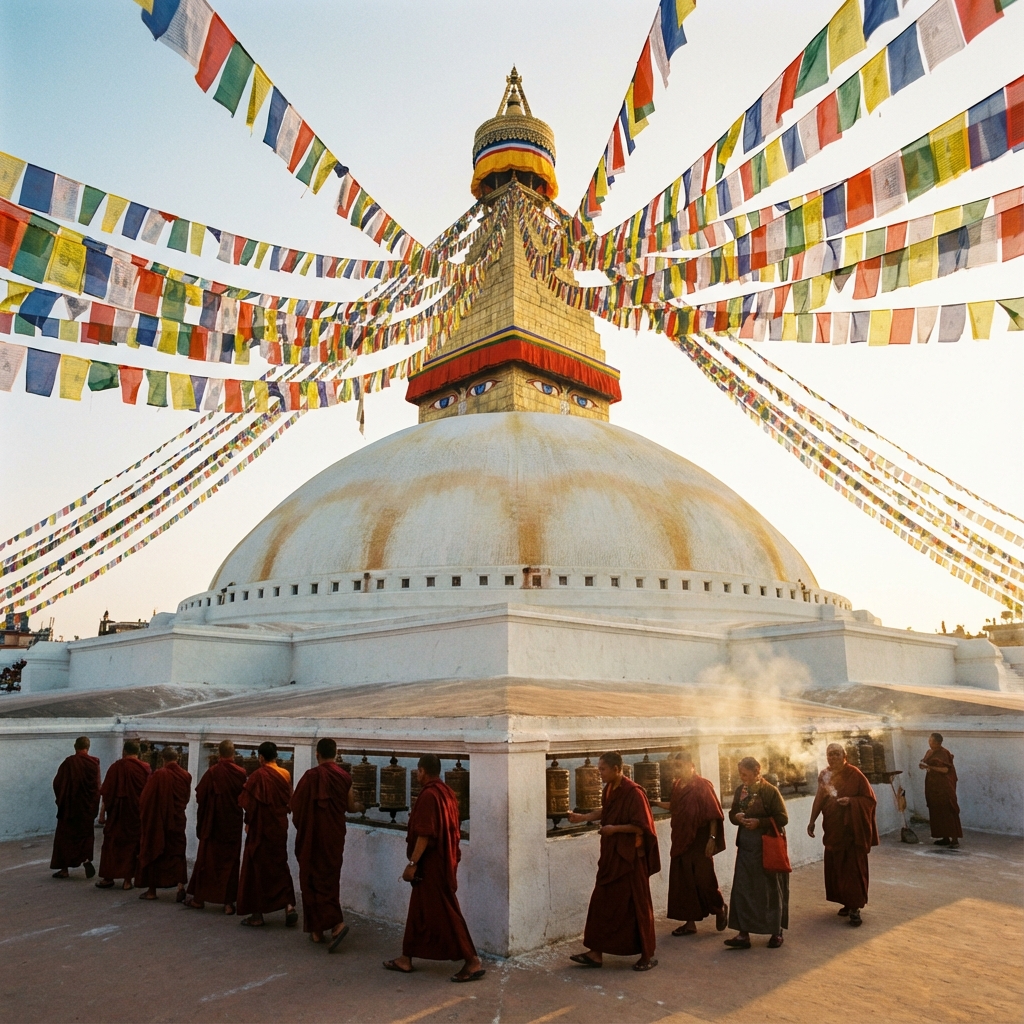
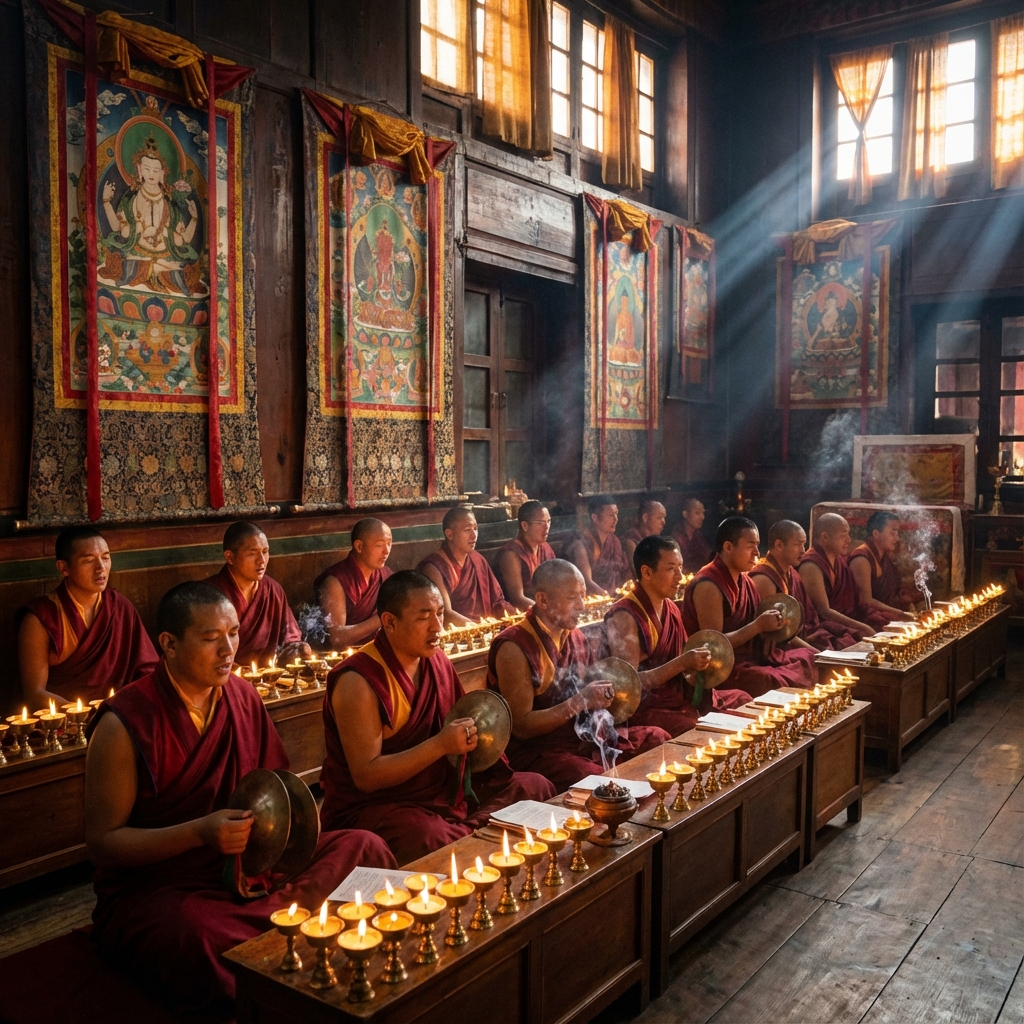
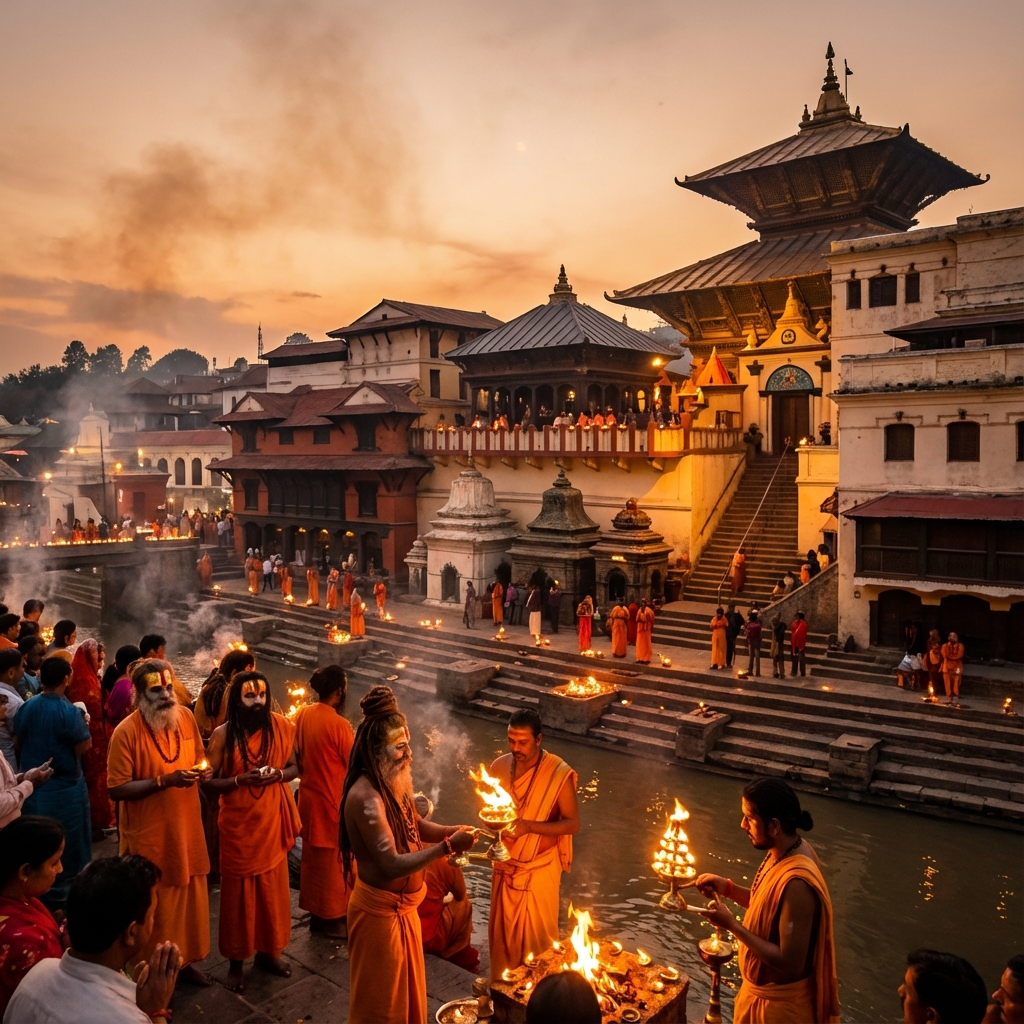
Temple & Monastery Visits
Explore ancient Hindu temples and Buddhist monasteries, witnessing daily pujas, meditation sessions, and architectural marvels
Early morning for ceremonies, Year-round
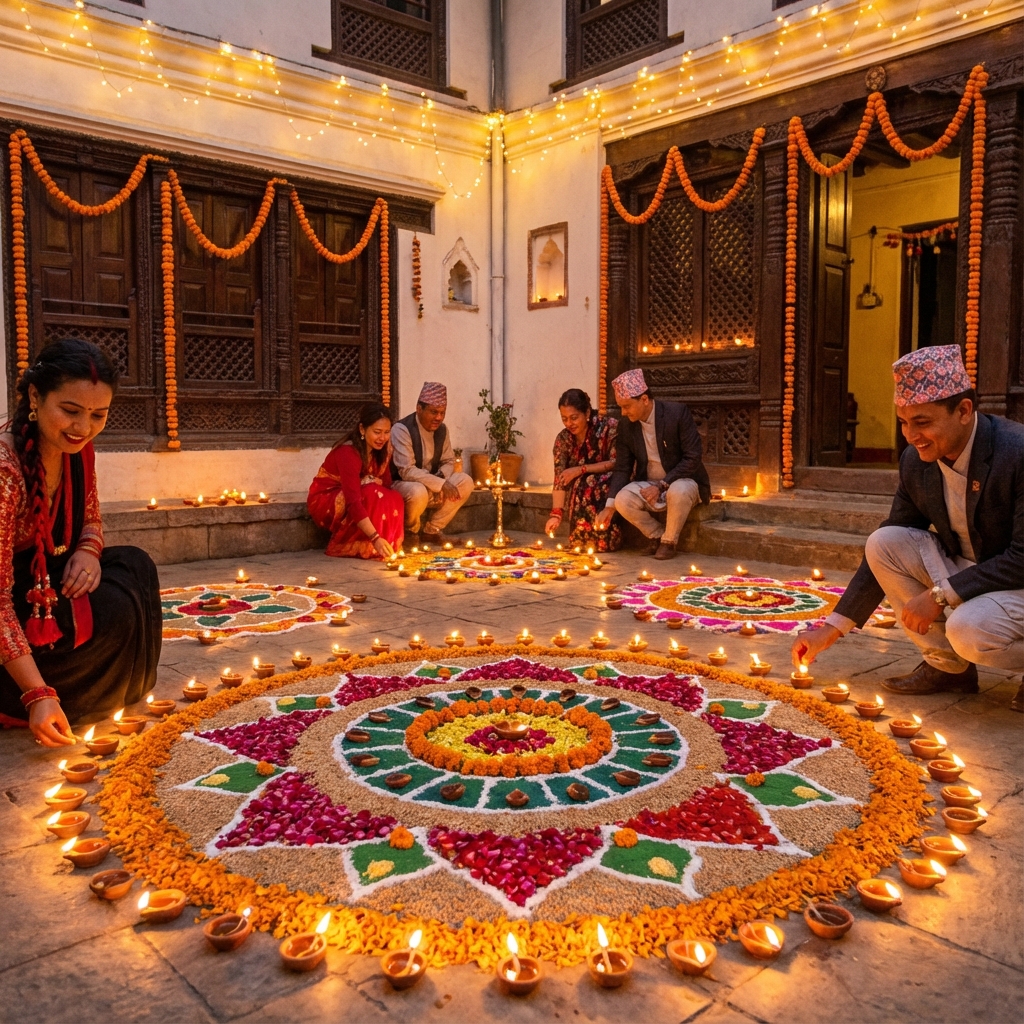
Festival Celebrations
Experience Nepal's vibrant festivals featuring masked dances, chariot processions, and ancient rituals
Heritage Site Exploration
Discover UNESCO World Heritage Sites including ancient palaces, courtyards, and traditional Newari architecture
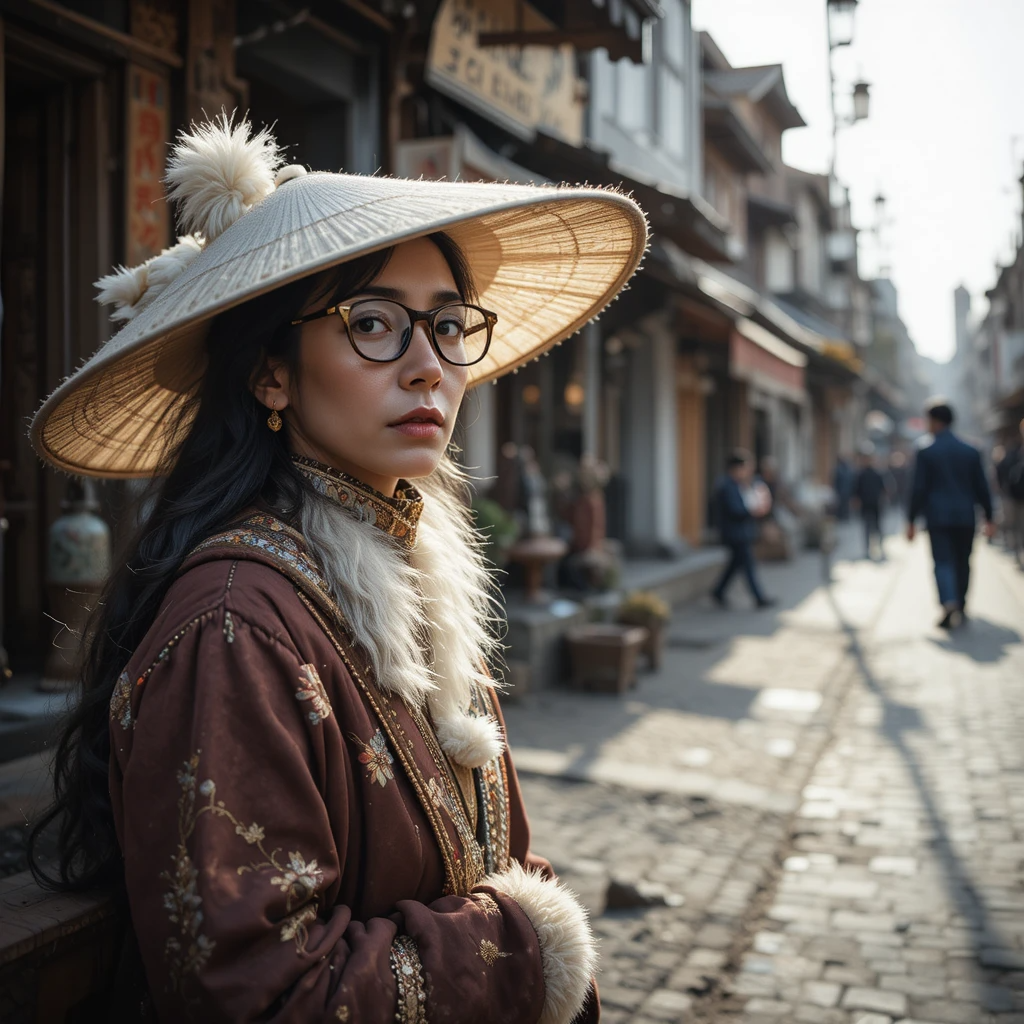
Traditional Crafts & Artisans
Learn from master craftspeople creating thangka paintings, pottery, metalwork, and hand-woven textiles
Cooking & Cuisine Experiences
Learn to prepare authentic Nepali dishes including momos, dal bhat, sel roti, and regional specialties
VIBRANT FESTIVALS
Experience the color, energy, and spirituality of Nepal's incredible festivals throughout the year.
Dashain
October (15 days)Nepal's biggest festival celebrating the victory of good over evil. Families gather for blessings, feasting, and kite flying.
Tihar (Deepawali)
October-November (5 days)Festival of lights honoring crows, dogs, cows, and the goddess Lakshmi. Houses glow with oil lamps and rangoli art.
Holi
March (2 days)Colorful spring festival where people throw colored powder and water, celebrating new beginnings.
Indra Jatra
September (8 days)Kathmandu's oldest festival featuring the Living Goddess Kumari, masked dances, and chariot processions.
Buddha Jayanti
May (Full moon)Celebration of Buddha's birth at Lumbini and Buddhist sites across Nepal.
HERITAGE DESTINATIONS
Explore Nepal's most significant cultural and spiritual landmarks.
Kathmandu Valley
- Three Durbar Squares
- Living Goddess Kumari
- Ancient temples
International airport access, extensive local transport
Bhaktapur
- Preserved medieval city
- Nyatapola Temple
- Pottery Square
30 minutes from Kathmandu by bus/taxi
Patan
- Patan Museum
- Metalwork artisans
- Buddhist heritage
15 minutes from central Kathmandu
Lumbini
- Buddha's birthplace
- International monasteries
- Maya Devi Temple
Domestic flights or 8-hour drive from Kathmandu
Upper Mustang
- Forbidden Kingdom
- Tibetan culture
- Cave monasteries
Flight to Jomsom + trek or jeep (restricted area permit required)
CULTURAL ETIQUETTE
temples
- Remove shoes before entering temples and monastery prayer halls
- Walk clockwise around Buddhist stupas and mani walls
- Dress modestly - cover shoulders and knees
- Don't touch religious objects or climb on monuments
- Ask permission before photographing ceremonies or people
general
- Use right hand for giving and receiving
- Don't step over people or their belongings
- Accept hospitality graciously - refusing food is impolite
- Public displays of affection are frowned upon
- Point with palm up, not with finger
homestays
- Remove shoes before entering homes
- Accept food and drink offerings graciously
- Ask before entering kitchens (often sacred spaces)
- Tip your hosts or bring small gifts
- Learn a few Nepali phrases - locals appreciate the effort
TRAVELER'S GUIDE
planning
- Research festival dates as they follow lunar calendar and vary yearly
- Book accommodation well in advance during major festivals
- Hire local guides for deeper cultural understanding
- Combine cultural experiences with trekking or wildlife activities
- Allow flexibility - spontaneous events happen frequently
experiencing
- Wake early to catch morning pujas and avoid crowds
- Participate respectfully when invited - this is welcomed
- Learn basic Nepali greetings: Namaste, Dhanyabad (thank you)
- Support local artisans by purchasing traditional crafts
- Take cooking classes to bring Nepali flavors home
photography
- Always ask before photographing people, especially during rituals
- Photography often prohibited inside temple sanctuaries
- Morning golden light is magical at heritage sites
- Capture candid moments of daily life respectfully
- Consider supporting your subjects by purchasing their crafts
BEST TIMES TO VISIT
autumn
October-November: Peak festival season with Dashain and Tihar, clear weather, vibrant celebrations throughout Nepal
winter
December-February: Fewer festivals but excellent for temple visits, local celebrations continue, peaceful exploration
spring
March-May: Holi festival, Buddha Jayanti, Bisket Jatra in Bhaktapur, warming weather and blooming rhododendrons
monsoon
June-September: Major festivals include Janai Purnima, Gai Jatra, Indra Jatra, lush landscapes but occasional rain
FREQUENTLY ASKED QUESTIONS
What is the best time to experience festivals in Nepal?
October-November is peak festival season with Dashain (Nepal's biggest festival) and Tihar (festival of lights). March-April brings Holi and various spring festivals. Check the lunar calendar as dates vary each year.
Can tourists participate in local festivals and ceremonies?
Yes! Nepalis warmly welcome respectful tourists. During Tihar, you may be invited into homes for blessings. Festival participation is an incredible way to experience authentic culture. Always ask permission and follow local customs.
How should I dress when visiting temples and monasteries?
Dress modestly with shoulders and knees covered. Long pants or skirts and sleeved shirts are appropriate. Remove shoes before entering. Some temples may provide cover-ups. Avoid leather items at Hindu temples.
Is it appropriate to take photographs at cultural sites?
Photography is usually permitted in open areas but often prohibited inside temple sanctuaries. Always ask before photographing people, especially during prayers. Be discreet during ceremonies. Some sites charge camera fees.
How can I experience authentic Nepali culture beyond tourist attractions?
Stay in homestays with local families, take cooking classes, attend meditation retreats at monasteries, visit during local festivals, hire local guides, explore smaller towns like Bandipur or Tansen, and spend time in traditional neighborhoods rather than tourist hubs.
EXPERIENCE IT YOURSELF
Immerse yourself in Nepal's rich cultural tapestry. From ancient temples to vibrant festivals, every moment is a story waiting to be lived.